Your hens started laying at 18 weeks, and for three weeks everything looked perfect. Then you notice the shells are thinner than usual, and production dropped from 90% to 82% in just five days. You check the feed, adjust the calcium, but the numbers keep falling. By week four, you are losing KES 15,000 per day in lost eggs, and the vet confirms infectious bronchitis moving through your flock. This scenario happens on small farms and commercial operations across Kenya every season, and it is almost always preventable.
Layer hens face unique disease pressures because they must maintain production for 12 to 18 months while their immune systems work overtime converting feed into eggs rather than fighting pathogens. A single respiratory outbreak can cost more than a year of vaccination programs, yet many farmers skip core vaccines to save KES 50 per bird, only to lose KES 500 per bird in production losses. The difference is understanding which vaccines actually protect your investment and how to use them effectively.
Why Layer Vaccination Differs from Broiler Programs
Before diving into specific vaccines, it is important to understand that layer hens require different protection strategies than broilers raised for six weeks. Broilers need rapid immunity for fast growth, while layers need sustained protection through a long production cycle that often includes rainy seasons, market stress, and high bird density. A broiler vaccine program might emphasize Marek's disease heavily, but for layers, respiratory vaccines and egg production vaccines take priority because they directly impact the organ systems keeping your hens alive and laying.
Additionally, layers remain in the flock longer, meaning they encounter more environmental pathogens over time. A Newcastle disease outbreak in week 30 of production can be catastrophic because hens are already stressed from peak laying, whereas the same outbreak in week 6 would barely register. Your vaccination strategy must account for this extended exposure window.
The Five Essential Vaccines for Layer Flocks
Not every vaccine suits every operation, but five diseases cause the majority of production losses in Kenyan layer farms. These are not suggestions; they are baseline requirements for any flock aiming for 80%+ production retention through month 18.
1. Newcastle Disease (ND)
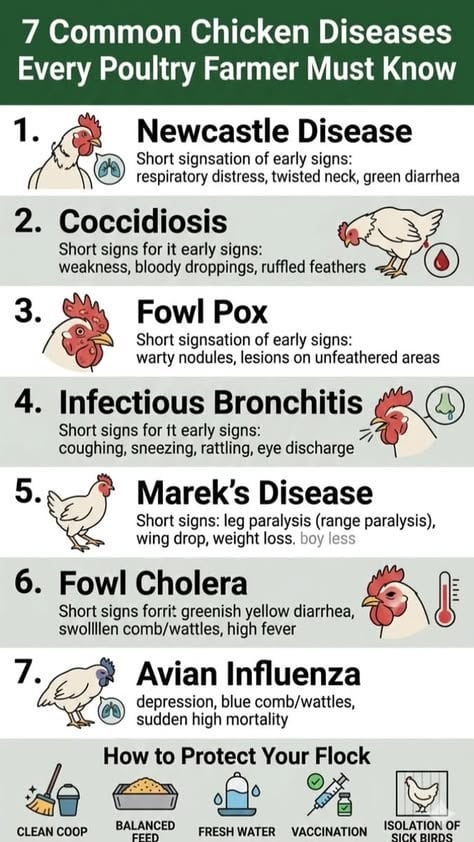
Newcastle disease virus strikes fast and kills quickly. In laying hens, it causes sudden mortality spikes, severe respiratory distress, and permanent damage to the oviduct that reduces egg quality for life. Even mild strains cause production drops of 20-30% that never fully recover.
For layers, you need both the initial priming and booster doses. The primary vaccination typically occurs at day-old through spray cabinet or eye drop methods, followed by a subcutaneous or intramuscular booster at 4-6 weeks. However, because this is a paramyxovirus with multiple circulating strains, many veterinarians recommend a second booster around 16-20 weeks before hens enter peak production.
The inactivated vaccines provide safer protection for layers than live vaccines, which can sometimes cause mild respiratory reactions during the stress of lay onset. When handling ND vaccines, keep them cold until the moment of administration, and use within two hours of reconstitution.
2. Infectious Bronchitis (IB)
If Newcastle is the sudden killer, infectious bronchitis is the persistent drain. This coronavirus attacks the upper respiratory tract and oviduct, causing "false layers" that look healthy but never produce eggs, plus permanent shell gland damage leading to thin shells and shell-less eggs.
IB is particularly nasty in layers because the virus targets the reproductive tract directly. A flock can appear fine for two weeks, then production crashes as damaged oviducts fail to form shells properly. The Massachusetts and Connecticut serotypes are most common in East Africa, though new variants emerge regularly.
Vaccination timing is critical. Day-old chicks receive initial protection through the hatchery, but the immunity wanes by 6-8 weeks. This is why the Vietstock vaccination schedule recommends the Newcastle + IB booster at 8-10 weeks using a combined inactivated vaccine. This timing ensures strong humoral immunity just as maternal antibodies fade and before respiratory pressures from the grower phase peak.
For high-risk areas or during rainy seasons when IB spreads rapidly, some farmers administer a third dose at 14 weeks. However, this depends on your local disease pressure and should be discussed with your veterinarian.
3. Infectious Laryngotracheitis (ILT)
ILT is a herpesvirus that causes severe respiratory distress, gasping, and bloody discharge from the trachea. While mortality rates vary by strain, survivors often suffer permanent damage to the larynx and reduced egg production for the remainder of their lives.
Unlike the other core vaccines, ILT requires careful timing because the live attenuated vaccines can cause disease if administered too early or inappropriately. Most programs use a mild strain vaccine via eye drop at 14-16 weeks, just before hens move to the layer house or reach sexual maturity. This timing allows the immune system to develop strong local immunity in the respiratory tract without overwhelming the bird's developing reproductive system.
In Kenya, ILT circulates in both commercial and backyard flocks, making vaccination essential even if you maintain strict biosecurity. The virus spreads through direct contact and contaminated equipment, so if neighboring farms have ILT, your unvaccinated flock will likely encounter it during the vulnerable period around 16 weeks.
4. H5 Avian Influenza
Highly pathogenic avian influenza (HPAI) H5N1 represents the single greatest existential threat to layer operations in Kenya today. One outbreak can wipe out 100% of your flock within 48 hours and result in farm quarantine for months, destroying your market access and reputation.
For layers, vaccination provides a crucial buffer against this threat, though it does not replace biosecurity. The inactivated H5 vaccines are administered at 6-8 weeks via subcutaneous injection, typically in the neck region. This timing aligns with the end of the grower period when birds are moved to layer facilities, creating a protective window before exposure to the stress of lay onset.
Critical considerations for H5 vaccination:
- Use only vaccines matching circulating local strains (H5N1 is the priority)
- Store vaccines at 2-8°C and administer within two hours of mixing
- The subcutaneous route provides better protection for layers than spray methods because it creates a depot of antigen that releases slowly
- Boost at 12-14 weeks if your area has high H5 circulation
5. Egg Drop Syndrome (EDS)
EDS-76 is an adenovirus that specifically targets the shell gland, causing soft-shelled, shell-less, and misshapen eggs. Production drops of 10-40% are common, and once infected, hens remain carriers for life, shedding virus in eggs and feces.
This vaccine is unique to layers because it affects reproduction rather than survival. You administer it at 12-14 weeks, just before hens reach sexual maturity, using an inactivated vaccine containing the BC14 strain. The water-in-oil emulsion creates a strong, long-lasting immune response that protects the shell gland through the critical first six months of production when egg quality commands premium prices.
In Kenya, EDS circulates in both commercial and indigenous chicken populations. If you purchase point-of-lay pullets from multiple sources, vaccination is non-negotiable because you cannot visually identify EDS carriers.
The Complete Vaccination Schedule
Following a structured timeline prevents the gaps where disease strikes. Here is the standard protocol for a 1000-hen layer operation, though you should adapt this to your specific breed and local disease pressure.
Week 0-1: Day-Old Protection
At the hatchery, chicks receive Marek's disease vaccine and sometimes infectious bronchitis via spray cabinet. Do not assume this is sufficient for your farm conditions. If you purchase day-olds, verify what they received and ensure your grower program continues the protection.
Week 4-6: Grower Priming
Administer the first Newcastle booster at 4-6 weeks if not done at the hatchery. Use subcutaneous injection in the neck, following the manufacturer's dosage precisely. This is also the time to begin handling birds regularly so they become accustomed to human contact, reducing stress during future vaccinations.
Week 6-8: H5 Avian Influenza
Apply the H5 inactivated vaccine subcutaneously. This timing protects birds as they transition from the relatively clean grower environment to the more crowded layer facility. The subcutaneous method creates a slower release of antigen compared to intramuscular injection, which is preferable for long-lived layers.
Week 8-10: The Critical Booster
This is the most important vaccination window. Administer the combined Newcastle + Infectious Bronchitis booster using the inactivated bivalent vaccine. You can choose intramuscular injection in the breast muscle or subcutaneous in the neck. Intramuscular provides faster absorption, while subcutaneous is less stressful for birds. Either works, but be consistent within your flock.
Week 12-14: Pre-Lay Protection
Apply the Egg Drop Syndrome vaccine if you have not already done so. Also, consider an additional IB dose if you are in a high-risk area or if your birds show any respiratory symptoms during the grower phase.
Week 14-16: Respiratory Shield
Administer Infectious Laryngotracheitis vaccine via eye drop. This is the only ILT method that provides reliable protection without causing disease. The eye drop ensures the live vaccine contacts the conjunctiva, triggering local mucosal immunity.
Week 16-20: H5 Booster (if needed)
If your farm is within 10 kilometers of other poultry operations or if you have had H5 detections in your area, administer a second H5 dose at 16-20 weeks. This strengthens the antibody response before peak production begins.
Administration Methods That Matter
How you give the vaccine affects how well it works. Layers are valuable animals, and rough handling during vaccination can cause stress that compromises their immune response and reduces egg production for days afterward.
Subcutaneous Injection (Neck)
The preferred method for most inactivated vaccines. Insert the needle just under the skin at the base of the neck, halfway between the shoulder blades. For layers, use a 23-25 gauge needle and inject slowly. The subcutaneous route allows the vaccine to form a depot that releases antigen over 2-3 weeks.
Intramuscular Injection (Breast)
Use this for thicker vaccines or when rapid absorption is needed. Inject into the breast muscle, avoiding blood vessels. Never inject into the leg muscles of layers because this can damage the sciatic nerve, causing permanent lameness that ruins production.
Eye Drop Method
Essential for ILT and sometimes used for Marek's in day-olds. Place one drop of vaccine solution in the conjunctival sac. The bird will blink and distribute the vaccine across the eye surface. This method stimulates strong local immunity in the respiratory tract.
Spray Cabinet (Day-Old Only)
Only for chicks under three weeks old. The fine mist coats the respiratory tract directly. Do not use this method for older birds as it causes severe respiratory stress.
Storage and Handling: The Cold Chain Matters
Vaccines are biological products that lose potency when exposed to heat or sunlight. A vaccine that has been sitting in a hot vehicle loses effectiveness immediately, even if the bottle looks fine.
Maintain a dedicated refrigerator at 2-8°C specifically for vaccines, separate from food and drinks. Use a calibrated thermometer to monitor temperature daily. When transporting vaccines to the farm, use insulated coolers with ice packs, and administer within two hours of reaching the destination.
Reconstitute vaccines only when ready to use. Most vaccines lose potency within two hours of mixing. If you mix a bottle and cannot use it all, discard the remainder rather than storing it for later use.
Economic Justification: The Real Cost of Prevention
Let's look at the numbers honestly. A comprehensive vaccination program for 1000 layers costs approximately KES 15,000 to KES 25,000 depending on vaccine prices and labor costs. This breaks down to KES 15-25 per bird over the grower phase.
Now consider the alternative. A single Newcastle outbreak in a 1000-hen flock can cause 30% mortality (300 birds) plus a permanent 15% production drop in survivors. At current egg prices of KES 150-200 per tray, that represents KES 225,000 to KES 300,000 in lost production plus KES 30,000-50,000 in replacement costs. The vaccine costs KES 20,000 and prevents losses 15 times greater.
Similarly, EDS can reduce production by 20% for three months. On 1000 hens laying 25 eggs per month at KES 15 per egg, that is KES 75,000 in lost revenue per month. The EDS vaccine costs approximately KES 8,000-12,000 for the flock, paying for itself in the first week of protection.
The calculation is straightforward: vaccination costs less than one day of production losses from a single disease outbreak. In the Kenyan context where feed costs consume 60-70% of production expenses, protecting that investment through vaccination is not optional.
Common Mistakes That Undermine Vaccination Programs
Even with perfect vaccine selection, errors in administration destroy protection:
Skipping booster doses: Many farmers administer the day-old vaccines and assume that is sufficient. The maternal antibodies fade by 4-6 weeks, leaving a gap until the next dose. Never skip the 8-10 week booster.
Vaccinating sick birds: If your flock shows signs of respiratory disease, coccidiosis, or other illness, postpone vaccination. Vaccines require a functioning immune system to create proper responses. Vaccinating already-stressed birds can cause vaccine reactions or failure.
Improper handling: Using dirty needles, mixing vaccines incorrectly, or using the wrong diluent destroys vaccine efficacy. Always follow manufacturer instructions precisely.
Ignoring revaccination: Some vaccines require annual boosters. H5 vaccines especially need updating as circulating strains change. Check with your supplier about current strain matches.
Building a Partnership with Your Veterinarian
Vaccination is not a DIY task requiring guesswork. Work with a veterinarian who understands your specific region's disease pressures. They can help you:
- Identify which circulating strains require specific vaccine choices
- Design a program that fits your housing system (deep litter vs. cages)
- Monitor vaccine effectiveness through serological testing
- Adjust timing for local climate conditions, such as extending intervals during extreme heat when birds are stressed
In Nairobi and major towns, veterinary services are readily available. In rural areas, consider joining a farmer cooperative that shares vaccination equipment and expertise to reduce costs.
Conclusion: Protection Is an Investment, Not a Cost
The difference between a profitable layer operation and a financial disaster often comes down to vaccination discipline. While it is tempting to cut costs during the grower phase when birds are not yet laying, this is exactly when you must build immunity. A healthy, vaccinated flock at 18 weeks is worth infinitely more than a cheap, unprotected flock that dies in month four.
Start with the five vaccines outlined here. Use the schedule as a framework, but adapt it to your local disease pressure and your veterinarian's advice. The birds you vaccinate today are the layers producing eggs for your family and your market six months from now.
What vaccination challenges have you faced with your layer flock? Are you managing a small backyard operation or a commercial enterprise? Share your experiences and questions in the comments below, and follow Poultry Market for more practical guidance on keeping your flock healthy and productive throughout the production cycle.