You walk into your poultry house one morning and something feels off. A few birds are huddled in the corner with ruffled feathers, their combs looking pale. Then you see it — droppings streaked with blood. By the time many farmers act on these signs, coccidiosis has already been damaging the flock for days, quietly stealing growth, feed efficiency, and sometimes lives.
Coccidiosis is one of the most widespread and costly diseases in poultry production worldwide. It is caused by protozoan parasites of the genus Eimeria, which multiply inside the intestinal tract and destroy tissue as they go. The frustrating part? Even when your birds don't look sick, a subclinical infection can still be quietly hurting your feed conversion and weight gains. Understanding this disease — how to spot it, treat it, and above all prevent it — is one of the most valuable skills you can build as a poultry keeper.
What Exactly Is Coccidiosis?
Coccidiosis is caused by various Eimeria species, and here's an important detail: each species targets a specific portion of the intestinal tract. That means the location and severity of damage depends on which species is involved, which is why symptoms can vary from mild diarrhea to severe bloody enteritis.
The parasites spread through oocysts — hardy eggs shed in the droppings of infected birds. These oocysts survive in litter, soil, and on equipment, waiting for the next bird to ingest them while pecking around. Warm, moist litter is their best friend, which is why outbreaks often hit hardest in crowded, damp housing.
Economically, the disease is a major cause of mortality and poor performance in immature flocks. Even birds that survive a clinical outbreak may never fully catch up on growth.
Recognizing the Symptoms Early
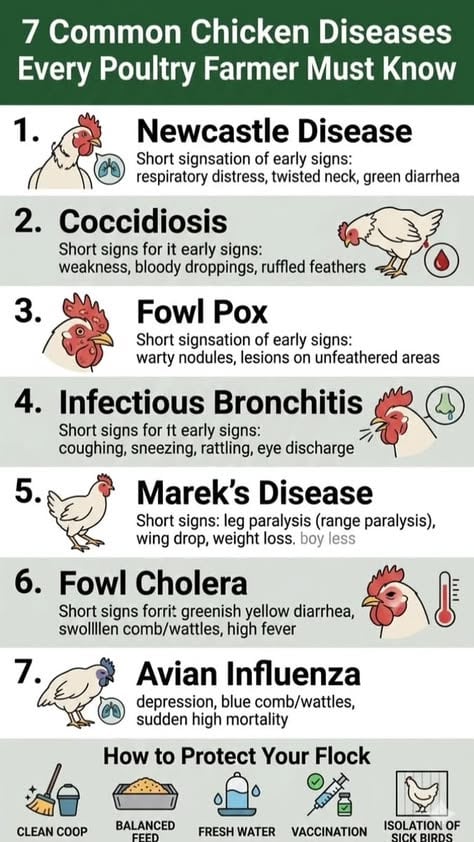
Early detection makes a real difference. Watch your flock daily and look for these warning signs:
- Droopiness and listlessness — birds that seem tired and uninterested
- Loss of appetite and reduced water intake in some cases
- Pale combs and wattles, and loss of the normal yellow color in the shanks
- Ruffled, unthrifty feathers and a generally rough appearance
- Huddling together or acting chilled, even when temperatures are fine
- Diarrhea, sometimes with blood or mucus in the droppings
- Dehydration, weight loss, and in severe cases, death
A practical habit: check the litter every morning when you feed. Fresh droppings tell you a lot about gut health before birds even start looking sick. Have you ever noticed blood in droppings and assumed it would pass on its own? That's a gamble that often ends badly.
Diagnosis is typically confirmed through fecal flotation to detect oocysts, often combined with characteristic lesions found in the intestines during post-mortem examination. If you suspect an outbreak, involve a veterinarian or animal health professional rather than guessing.
Treatment Options
Once coccidiosis takes hold, treatment becomes more difficult because the parasite's life cycle is already well advanced inside the birds. Anticoccidial drugs can be given through drinking water during an outbreak, but the specific product, dosage, and duration should always come from a qualified veterinarian — using the wrong drug or an incorrect dose can waste money and still lose birds.
A few important points to keep in mind:
- Act fast. The earlier treatment starts, the more intestinal tissue you save.
- Support the birds. Sick birds often stop eating before they stop drinking, which is why water-based medication is commonly used.
- Don't rely on treatment as your strategy. Repeated outbreaks often trace back to errors in medicated feed inclusion or poorly designed prevention programs.
Prevention: Where the Real Battle Is Won
Ask any experienced poultry veterinarian and they'll tell you the same thing — coccidiosis is far easier to prevent than to cure. Prevention generally rests on three pillars.
1. Anticoccidial Programs
Many commercial operations include anticoccidial drugs in feed as a preventive measure. Interestingly, modern approaches often allow moderate numbers of coccidia to develop in the birds. This controlled exposure stimulates the bird's own immune system, building protection against serious outbreaks while the drug keeps things from getting out of hand.
The risk here is human error. Many outbreaks follow mistakes in drug inclusion rates in feed or poorly planned rotation programs. If you mix your own feed, double-check measurements every time.
2. Vaccination
Vaccination is an increasingly popular alternative, especially for breeders, layers, and organic producers who want to avoid routine drug use. Live vaccines introduce controlled exposure that builds lasting immunity. For farmers producing under natural or organic systems, vaccination combined with strict management is often the backbone of coccidiosis control.
3. Hygiene and Biosecurity
Good biosecurity is your most important defense against introducing Eimeria parasites to your farm. Practical steps include:
- Manage litter moisture. Wet litter is where oocysts thrive. Fix leaking drinkers, maintain ventilation, and turn or top up litter as needed.
- Control access. Set clear hygiene protocols for visitors, vehicles, feed deliveries, and equipment entering your farm.
- Clean between flocks. Thorough cleaning and disinfection of the house between batches breaks the cycle of carryover infection.
- Avoid overcrowding. High stocking density means more droppings, more moisture, and faster parasite cycling.
- Keep feed and water clean. Raise feeders and drinkers to reduce contamination with droppings.
For small-scale and backyard farmers in Kenya and similar settings, these low-cost management practices often matter more than any product you can buy. A dry, well-ventilated house with sensible stocking density removes most of the conditions coccidiosis needs to explode.
Common Mistakes to Avoid
- Waiting for obvious symptoms before acting. Subclinical infection costs you money long before birds look sick.
- Inconsistent medicated feed use. Skipping or under-dosing prevention creates gaps the parasite exploits.
- Ignoring wet litter. You can medicate perfectly and still lose the battle to a leaking drinker line.
- Self-prescribing treatments. Without proper diagnosis, you may be treating the wrong problem entirely.
The Bottom Line
Coccidiosis doesn't have to be the flock-wrecker it's made out to be. Farmers who stay ahead of it share the same habits: they watch their birds daily, keep litter dry, follow a consistent prevention program — whether anticoccidials, vaccination, or both — and bring in veterinary guidance when something looks wrong. The birds that never get sick are always cheaper than the ones you have to treat.
Have you dealt with a coccidiosis outbreak in your flock? What worked for you — and what would you do differently? Share your experience in the comments below; other farmers reading this could learn a lot from it. If you found this guide useful, pass it on to a fellow poultry keeper, and follow Poultry Market for more practical, farmer-first poultry health content.