When a bird in your flock starts looking off — droopy, off feed, breathing harder than it should — your first instinct is probably to reach for medication. But what if part of your flock's health support could be growing right outside your coop? Medicinal plants won't replace a veterinarian, and they shouldn't. But a growing body of research shows that certain herbs can support immunity, improve digestion, and help reduce your dependence on antibiotics.
This matters more than ever. Antimicrobial resistance is a real concern in poultry production, and researchers are actively studying plants like rosemary, thyme, peppermint, cinnamon, and garlic as natural alternatives or complements to conventional drugs. Some herbal compounds even appear to work alongside medications, potentially reducing the dosages needed.
Before we get to the list, one honest caveat: herbal potency varies with the cultivar, growing conditions, harvesting, and storage. Most scientific research uses concentrated essential oils, not the fresh leaves you scatter in bedding. So treat these plants as supportive tools, not miracle cures — and always consult a vet for serious illness.
The Heavy Hitters: Herbs With the Strongest Backing
These five come up again and again in both research and farmer experience.
1. Oregano
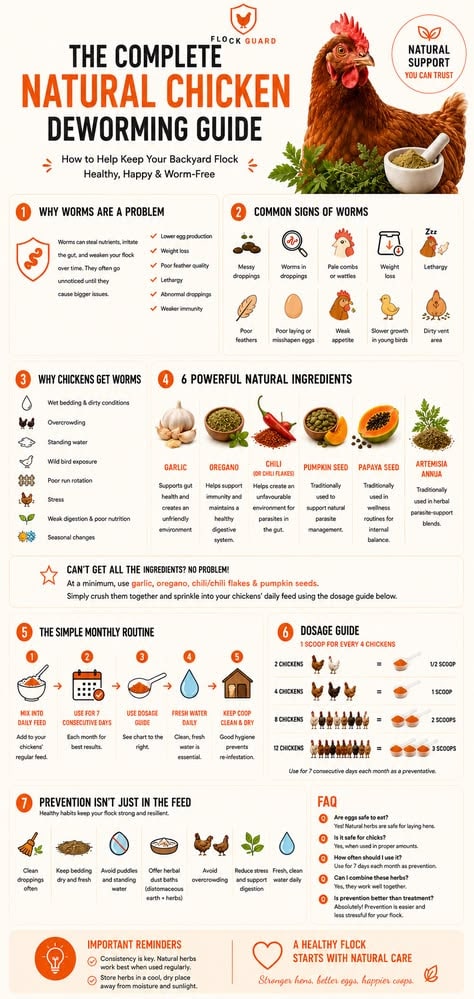
Probably the best-studied poultry herb. Its essential oils have antimicrobial and antioxidant properties, and it's commonly used to support gut health and reduce reliance on antibiotics. Add dried oregano to feed or grow it where birds can nibble.
2. Garlic
A traditional favourite with real staying power. Garlic is used to support respiratory health, immune function, and as a natural worm-management aid. Crushed fresh garlic in drinking water is a common farmer practice, though moderation matters — too much can affect the taste of eggs.
3. Thyme
Antimicrobial and particularly valued for respiratory support. Research lists thyme among the plants proven useful in poultry diets, either as powder or essential oil.
4. Basil
Antioxidant, antimicrobial, and anti-inflammatory. Basil is easy to grow in Kenyan conditions and can be fed fresh or dried.
5. Ginger
Supports digestion and circulation, and is often used during cold or damp periods when birds are stressed. Fresh grated ginger or ginger water are the usual approaches.
Aromatic Herbs: Coop and Health Support
6. Rosemary
An antioxidant powerhouse that research has flagged for poultry health benefits. Scatter sprigs in nesting boxes — it also smells far better than the alternative.
7. Peppermint
Listed in research on herbal alternatives to antibiotics. Also useful as a coop herb; many farmers hang bunches near roosts as a traditional insect repellent.
8. Cinnamon
Antimicrobial properties and a pleasant bonus: it may support circulation during cold weather. A small amount mixed into feed is the typical use.
9. Fenugreek
Appears in herbal research for poultry. Seeds can be soaked and added to feed; traditionally used to support laying birds.
10. Lemon
Not a herb, but citrus shows up in the research on beneficial plants. Diluted lemon juice in water is a traditional pick-me-up for stressed birds.
Free-Range Pharmacy: Plants Your Birds Can Forage
If your chickens range freely, you may already have medicine growing in your compound.
11. Dandelion
Feed fresh leaves for vitamins and minerals. It's a weed you'll stop fighting once you see your birds devour it.
12. Plantain weed
Not the banana — the broadleaf weed. Let chickens forage on it naturally; it's a traditional remedy for minor digestive upsets.
13. Aloe vera
Widely used by small-scale farmers for immune support and wound care. The gel can be added to drinking water in small amounts.
14. Turmeric
Anti-inflammatory and antioxidant. A pinch in feed is a common practice, and it pairs naturally with the Kenyan kitchen garden.
15. Moringa
If you farm in Kenya, you likely know this one. The leaves are nutrient-dense and make an excellent supplement when dried and mixed into feed.
The Coop Squad: Repellent and Comfort Herbs
Not much rigorous science exists on herbs as insect repellents, but here's the good news: sprinkling fresh or dried herbs on bedding, into nest boxes, and hanging small bunches from roosts won't harm your chickens — and many farmers swear by the results.
16. Lavender
Calming scent, traditional mite deterrent. Great in nest boxes.
17. Neem
A Kenyan favourite for pest management around the coop. Use leaves in bedding rather than feeding in quantity.
18. Wormwood
Traditionally used against internal parasites — the name says it all. Use cautiously and in small amounts.
19. Marigold
Brightens egg yolks naturally thanks to its pigments, and petals are safe for birds to eat.
20. Lemongrass
Grows easily in warm climates and is traditionally used around coops as a fly deterrent.
How to Actually Use These Plants
Keep it simple. You have four practical options:
- Feed fresh or dried: Chop and mix small amounts into feed, or let birds forage.
- Herbal water: Steep herbs like garlic or ginger in drinking water.
- Coop herbs: Scatter dried herbs in bedding and nest boxes.
- Grow a herb strip: Plant oregano, basil, and thyme along the run fence — low effort, constant supply.
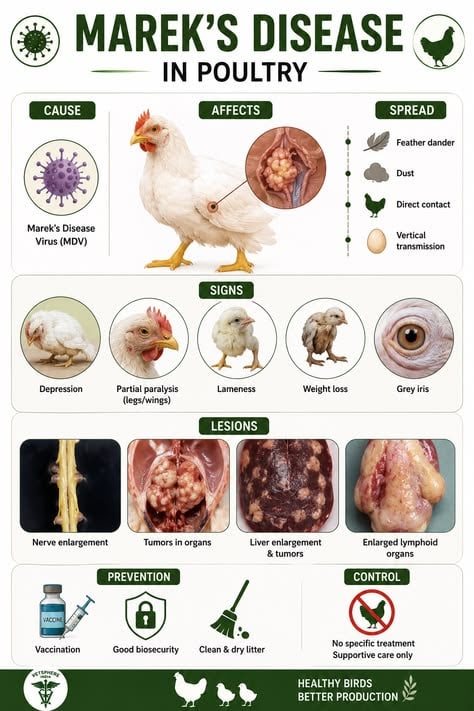
A word of caution that experienced herbal practitioners emphasise: keep records. Note what you used, how much, and what happened. Herbs vary in potency, and what worked once is far easier to repeat when you've written it down. And remember — herbs support health; they don't treat serious disease. A bird with Newcastle disease or a severe respiratory infection needs a vet, not a basil leaf.
The Bottom Line
You don't need all twenty plants. Start with three or four that grow easily where you are — oregano, garlic, and moringa are a solid Kenyan starter kit — and build from there. Over time, you may find your birds healthier, your antibiotic bill smaller, and your coop smelling considerably better.
Which of these plants do you already use in your flock? Drop your experience in the comments — your tip might be exactly what another farmer needs. Follow Poultry Market for more practical flock health guides, and share this with a farmer who's tired of watching medication costs climb.