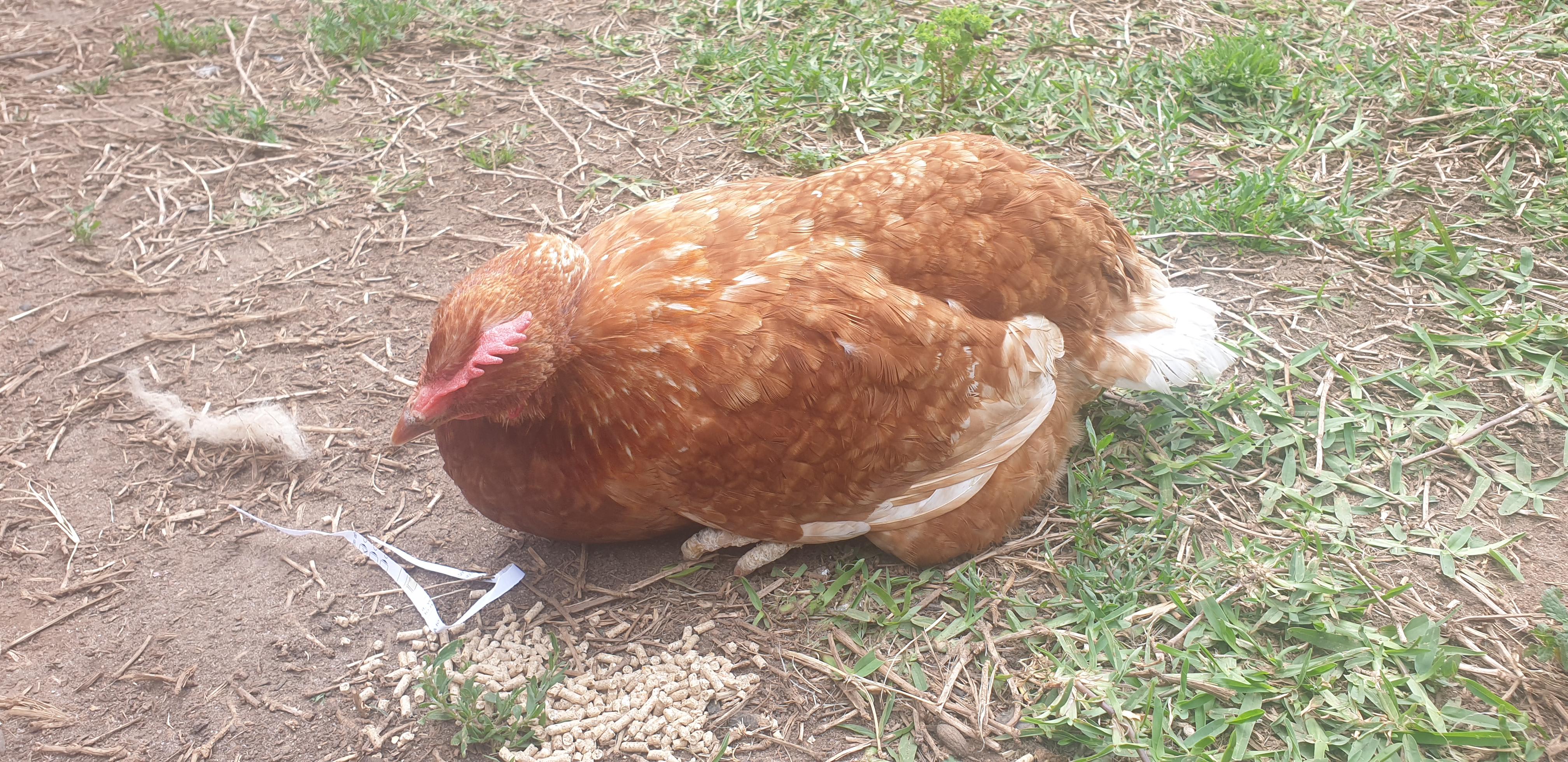
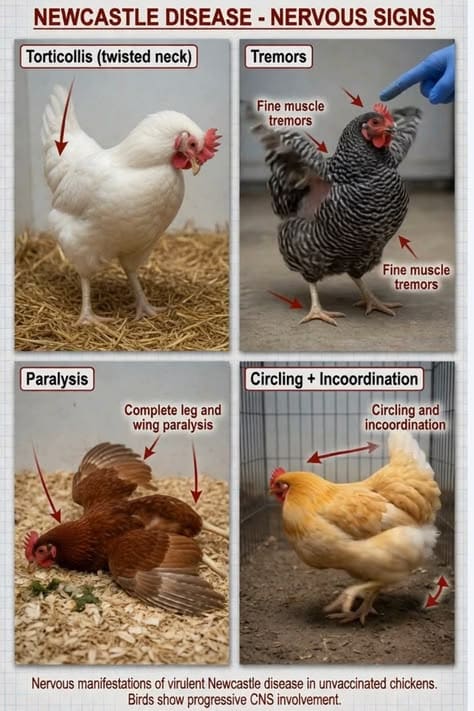
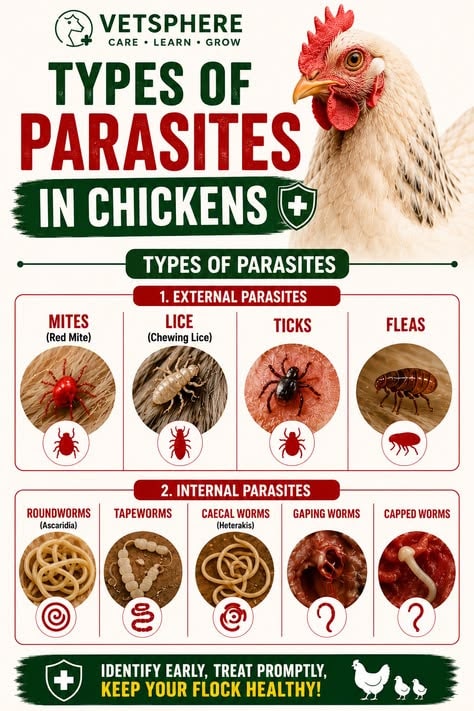
When a hen in your flock starts looking dull, dropping her comb, or producing thinner shells, the first instinct for many farmers is to reach for antibiotics. But overreliance on conventional drugs has created a real problem in poultry production: antimicrobial resistance, drug residues in meat and eggs, and rising treatment costs. This is one reason researchers and farmers alike have turned renewed attention to medicinal plants, not as a replacement for veterinary care, but as a complementary tool for supporting immunity, digestion, and general flock health.
The scientific literature on phytogenic feed additives has grown substantially. A review published through the National Institutes of Health examined numerous studies on local medicinal plants — including moringa, neem, and oregano, and their effects on poultry health and antimicrobial resistance. The findings suggest that certain herbs genuinely influence gut health, immune response, and pathogen load in chickens.
This article examines fifteen medicinal plants with documented or traditionally supported benefits for chickens, explains how they work, discusses their limitations honestly, and highlights plants you must keep away from your flock. If you keep layers, broilers, or indigenous kienyeji birds, this information applies to you.
Before You Begin: What Herbal Supplementation Can and Cannot Do
It would be irresponsible to present herbs as miracle cures. They are not. A bird suffering from Newcastle disease, infectious bronchitis, or severe coccidiosis needs proper diagnosis and, where indicated, conventional treatment. Herbal preparations work best in three roles:
- Preventive support — strengthening baseline immunity and gut integrity so birds resist challenges better.
- Mild intervention — supporting recovery from minor digestive upsets, stress, or skin irritation.
- Environmental hygiene — repelling insects and reducing microbial load in the coop.
There are also honest limitations worth understanding upfront. The potency of any herb varies with the cultivar, growing conditions, harvest timing, and storage. Most rigorous research uses concentrated essential oils, which are far stronger than the dried leaves you might scatter in feed. Results from a lab study do not automatically translate to your coop. Treat herbs as one layer of a good management system — alongside vaccination, biosecurity, clean water, and balanced nutrition — never as a substitute for any of these.
The Fifteen Plants
1. Oregano (Origanum vulgare)
Oregano is arguably the most studied medicinal herb in poultry science. Its active compounds, carvacrol and thymol, demonstrate broad antimicrobial activity against bacteria including Salmonella and E. coli, as well as certain parasites.
Farmers commonly offer oregano fresh, dried and mixed into feed, or as a diluted essential oil preparation in water. Research suggests oregano supplementation can support gut health and reduce pathogen loads, which partly explains its reputation as a natural alternative to antibiotic growth promoters. If you grow only one herb for your flock, oregano is the strongest candidate.
2. Aloe Vera (Aloe barbadensis)
Aloe vera gel contains polysaccharides with documented anti-inflammatory and immunomodulatory properties. In poultry, aloe has been used to support immune response, soothe digestive irritation, and promote wound healing on combs, wattles, and skin.
For internal use, small amounts of fresh gel can be blended into drinking water. For external use, the gel can be applied directly to minor wounds or insect bites. A caution: the yellow latex layer just beneath the skin (aloin) is a strong laxative and can cause digestive upset in quantity, so use the clear inner gel only.
3. Neem (Azadirachta indica)
Neem is widely available across East Africa and has a long history in both human and veterinary traditional medicine. It exhibits antibacterial, antiviral, and antifungal properties, and its bitter compounds also act as an insect repellent.
Farmers use neem leaf extracts in drinking water, dried leaf powder in feed, and neem preparations sprayed in housing to discourage mites, lice, and flies. Neem is potent — strong concentrations can reduce feed and water intake because of the bitterness — so moderation matters. Kenyan farmers with access to neem trees have a genuinely useful, low-cost resource growing at the farm gate.
4. Garlic (Allium sativum)
Garlic's active compound, allicin, forms when cloves are crushed or chopped. It has demonstrated antimicrobial and antiparasitic activity, and garlic supplementation has been studied for effects on respiratory health and immune function in poultry.
Practical use is simple: crush fresh garlic and add small amounts to drinking water, or mix minced garlic into feed. Some farmers report improved appetite and fewer respiratory complaints during cold, damp seasons. Avoid excessive amounts, very high garlic intake can affect red blood cells in birds, just as it can in other animals.
5. Turmeric (Curcuma longa)
Turmeric's principal compound, curcumin, is a well-documented anti-inflammatory and antioxidant agent. In poultry nutrition, turmeric has been studied for supporting liver function, reducing inflammation, and improving tolerance to heat stress — a relevant benefit for flocks in hot climates.
Dried turmeric powder mixes easily into feed. Because curcumin absorbs poorly on its own, combining it with a small amount of black pepper (piperine) or fat improves bioavailability. Turmeric also stains everything it touches bright yellow, so handle it accordingly.
6. Ginger (Zingiber officinale)
Ginger contains gingerols and shogaols, compounds with anti-inflammatory, antimicrobial, and digestive-stimulant properties. It has been studied in poultry diets for improving digestion, feed efficiency, and gut morphology.
Fresh grated ginger or dried ginger powder can be added to feed or water. It is particularly popular during cold weather, when farmers use it in warm water preparations. Ginger is widely available and affordable in Kenyan markets, making it one of the most practical options on this list.
7. Moringa (Moringa oleifera)
Moringa is exceptional because it functions as both a nutritional supplement and a medicinal plant. The leaves are rich in vitamins A, C, and E, calcium, and antioxidants, and research has examined moringa leaf meal as a partial feed ingredient with positive effects on health and productivity.
Moringa grows vigorously in warm climates and is increasingly cultivated in Kenya. Leaves can be dried, milled, and mixed into feed in modest proportions. Because it contributes actual nutrients alongside bioactive compounds, moringa offers dual value that purely medicinal herbs do not.
8. Basil (Ocimum basilicum)
Basil offers antioxidant, antimicrobial, and anti-inflammatory properties. Traditional poultry use centers on supporting respiratory health and general immunity, and chickens will often peck at fresh basil voluntarily.
Fresh or dried basil can be offered free-choice, scattered in the run, or mixed into feed. Basil is easy to grow in a kitchen garden or in containers, which makes it accessible even for urban poultry keepers in Nairobi with limited space.
9. Mint (Mentha spp.)
Mint is an antiseptic and antioxidant herb traditionally used to support digestion, soothe wounds and insect bites, and reduce stress. Its strong aromatic oils also make it useful in the coop environment.
Fresh or dried mint can be sprinkled on bedding, tucked into nest boxes, or hung in bunches near roosts. While rigorous studies on herbal insect repellents in poultry housing are limited, using aromatic herbs this way does no harm and many farmers find it helps keep the coop smelling fresher. Mint spreads aggressively, so grow it in containers.
10. Thyme (Thymus vulgaris)
Thyme shares thymol with oregano and brings similar antimicrobial and expectorant properties. It has a long tradition of use for respiratory support, which matters because respiratory disease is among the most common and costly problems in poultry production.
Dried thyme mixes well into feed, and thyme tea (cooled) can be offered in water during periods of respiratory stress. Like oregano, thyme is one of the better-evidenced herbs in poultry research.
11. Parsley (Petroselinum crispum)
Parsley is a nutrient-dense herb rich in vitamins A, C, and K, along with iron and antioxidants. It is traditionally offered to support laying hens, and chickens generally eat it readily.
Chop fresh parsley into feed or offer it free-choice. One caution applies to very large quantities: parsley contains compounds that can increase sensitivity to sunlight (photosensitization), so offer it as a supplement rather than a dietary staple.
12. Sage (Salvia officinalis)
Sage carries antimicrobial and antioxidant properties and has been used traditionally to support digestive health and reduce diarrhea. Its aromatic oils also contribute to coop hygiene when dried leaves are added to bedding.
Sage grows well in sunny, well-drained conditions and tolerates drier weather than many herbs, making it suitable for areas with unreliable rainfall. Offer dried sage crushed into feed or fresh sprigs free-choice.
13. Nasturtium (Tropaeolum majus)
Nasturtium is an underappreciated dual-purpose plant. It has antiseptic, antibacterial, and antifungal properties, and it is traditionally used to support wound healing, digestion, and respiratory health. Both leaves and flowers are edible for chickens.
Nasturtium grows easily from seed, trails attractively over fences, and doubles as a trap crop that draws aphids away from vegetables. For a smallholder integrating poultry with a garden, it earns its space twice over.
14. Echinacea (Echinacea purpurea)
Echinacea is best known as an immune stimulant in human herbal medicine, and similar reasoning underlies its use in poultry. It is typically offered during periods of stress or disease challenge rather than continuously, since immune stimulants are generally used in short courses.
Fresh or dried echinacea can be chopped into feed, or prepared as a cooled tea for drinking water. It is a perennial that returns each year once established, which suits farmers building a permanent medicinal garden.
15. Chilli Pepper (Capsicum spp.)
Chilli might seem like an odd inclusion, but capsaicin has been studied for antimicrobial and antiparasitic effects, and birds lack the heat receptors that make chillies painful to mammals — chickens eat hot peppers without distress.
Small amounts of chilli powder or fresh chopped peppers are traditionally added to feed, particularly in cold weather, based on the belief that they stimulate circulation and appetite. Use moderation; the goal is a supplement, not a significant feed fraction.
Quick Reference Summary
| Plant | Key Properties | Common Use |
|---|---|---|
| Oregano | Antimicrobial (carvacrol, thymol) | Gut health, pathogen control |
| Aloe vera | Anti-inflammatory, immune support | Wounds, digestion, immunity |
| Neem | Antibacterial, antiviral, antifungal | Immunity, pest control |
| Garlic | Antimicrobial (allicin) | Respiratory and immune support |
| Turmeric | Anti-inflammatory (curcumin) | Liver health, heat stress |
| Ginger | Anti-inflammatory, digestive | Digestion, cold weather |
| Moringa | Nutritive, antioxidant | Feed supplement, immunity |
| Basil | Antioxidant, antimicrobial | Respiratory support |
| Mint | Antiseptic, antioxidant | Digestion, coop freshness |
| Thyme | Antimicrobial, expectorant | Respiratory support |
| Parsley | Nutrient-dense | Layer support |
| Sage | Antimicrobial | Digestive health |
| Nasturtium | Antiseptic, antifungal | Wounds, digestion |
| Echinacea | Immune stimulant | Short-course immune support |
| Chilli | Antimicrobial (capsaicin) | Appetite, circulation |
Plants You Must Keep Away From Your Flock
Any honest discussion of medicinal plants must include the dangerous ones. Chickens forage indiscriminately, and several common ornamental and wild plants are toxic to them:
- Delphinium — all parts are toxic
- Bracken fern — harmful when consumed
- Foxglove, oleander, yew, rhubarb leaves, and avocado leaves/pits — variously toxic
- Nightshade family plants (green potato peels, tomato leaves) — contain problematic alkaloids
If you allow free-ranging, walk your range area and identify what grows there. The same instinct that leads a hen to eat beneficial herbs will lead her to sample harmful ones.
Practical Guidelines for Using Herbs Safely
A few principles will help you get value from these plants without wasting money or harming birds:
- Start small. Introduce one herb at a time in modest quantities and observe feed intake, droppings, and behavior over several days.
- Prefer consistency over intensity. Small regular amounts generally serve better than occasional large doses.
- Match the herb to the need. Respiratory season? Thyme and oregano. Heat stress? Turmeric and aloe. Coop hygiene? Mint, sage, and neem.
- Grow your own where possible. Most of these herbs are easy to cultivate, and home-grown supply eliminates cost and quality uncertainty.
- Keep records. Note what you used, how much, and what you observed. Over time, your own flock records become your most reliable guide.
- Never replace veterinary care. A bird that is genuinely ill needs proper diagnosis. Herbs support health; they do not cure serious disease.
Have you noticed whether your birds self-select certain plants when they free-range? Many farmers observe that chickens with access to diverse forage actively choose specific plants at different times, an observation worth paying attention to as you plan your herbal program.
The Bottom Line
Medicinal plants offer poultry farmers a legitimate, low-cost toolkit for supporting flock immunity, digestion, respiratory health, and coop hygiene. Oregano, garlic, turmeric, neem, and moringa stand out for their combination of research interest and practical availability, while herbs like mint, basil, and nasturtium add value with almost no effort. The keys are moderation, observation, and honesty about what herbs can and cannot do, they complement good management and veterinary care rather than replace them.
If you found this breakdown useful, follow Poultry Market for more practical, research-informed poultry content written for real farming conditions. Have you used any of these herbs with your own flock? Share your experience or questions in the comments, your observations help other farmers make better decisions. And if you know a poultry keeper struggling with recurring health problems or rising medication costs, pass this article along to them.