Chickens are instinctively adept at concealing illness, a survival trait from their wild ancestors. This evolutionary adaptation makes early detection of poultry health issues particularly challenging for modern flock managers. Understanding the subtle behavioral and physiological indicators of avian distress is critical for maintaining productivity and welfare in commercial and backyard operations. This comprehensive guide decodes the nuanced signals of compromised poultry health.
Behavioral Anomalies as Early Warning Indicators
The first layer of observation involves behavioral patterns. Healthy chickens exhibit consistent routines characterized by:
Regular foraging activity
Social engagement with flock members
Predictable vocalization patterns
A diseased bird will often deviate from these norms. Key behavioral red flags include:
Reduced mobility: Sudden reluctance to move or perch
Altered social dynamics: Withdrawal from the flock or aggression toward conspecifics
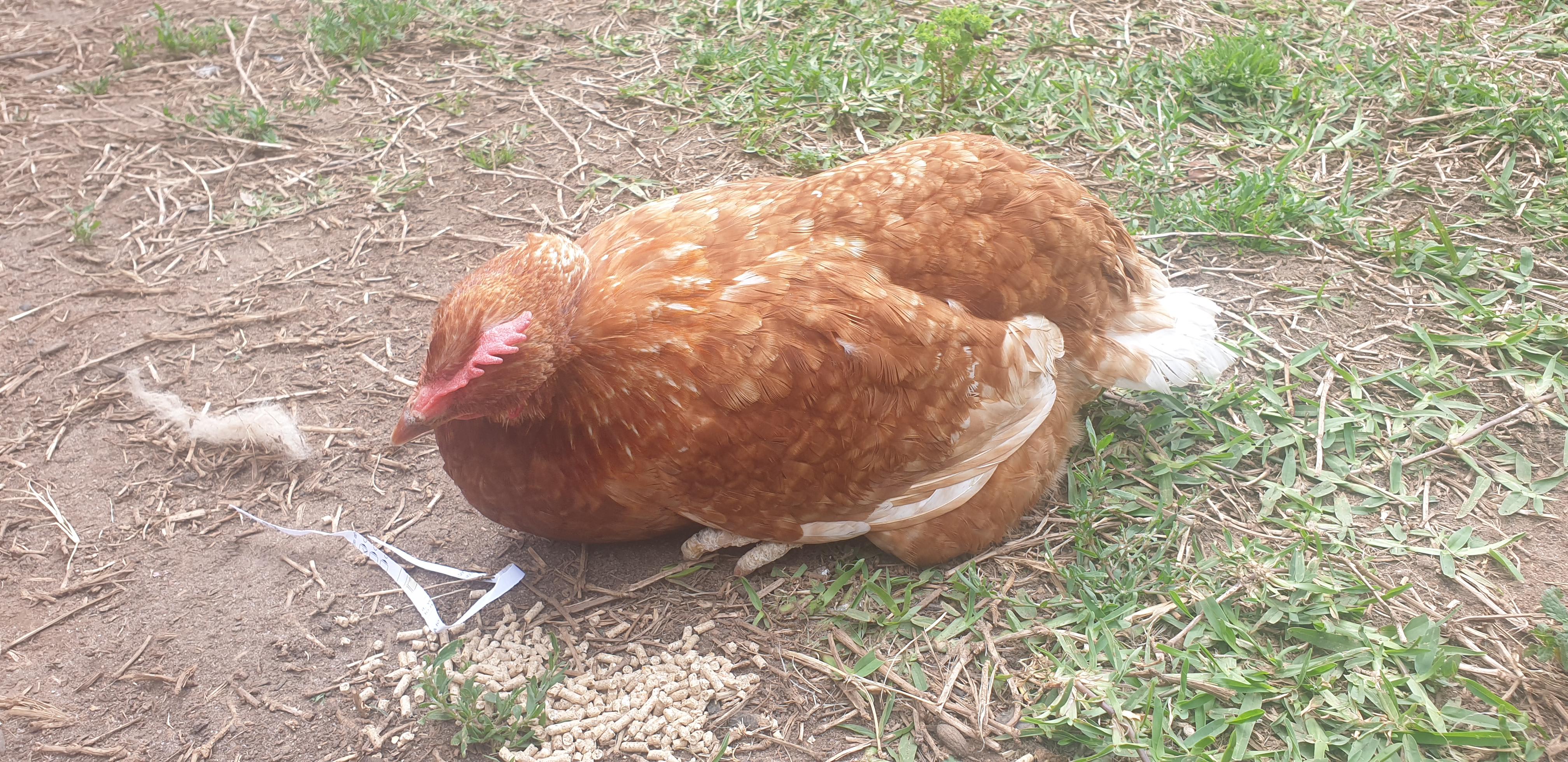
Abnormal roosting: Perching on the ground during non-sleep hours
Diminished interest in feed/water: Consistent disengagement from routine foraging
These behavioral shifts often precede visible physical symptoms by 12-48 hours, making them crucial diagnostic precursors.
Physical Clinical Signs to Monitor
Feather Presentation
Normal feathers are smooth and evenly distributed. Ill birds commonly display:
Ruffled or disheveled plumage
Excessive fluffiness (a thermoregulatory response to fever)
Unusual feather loss or breakage
Postural Abnormalities
Observe for:
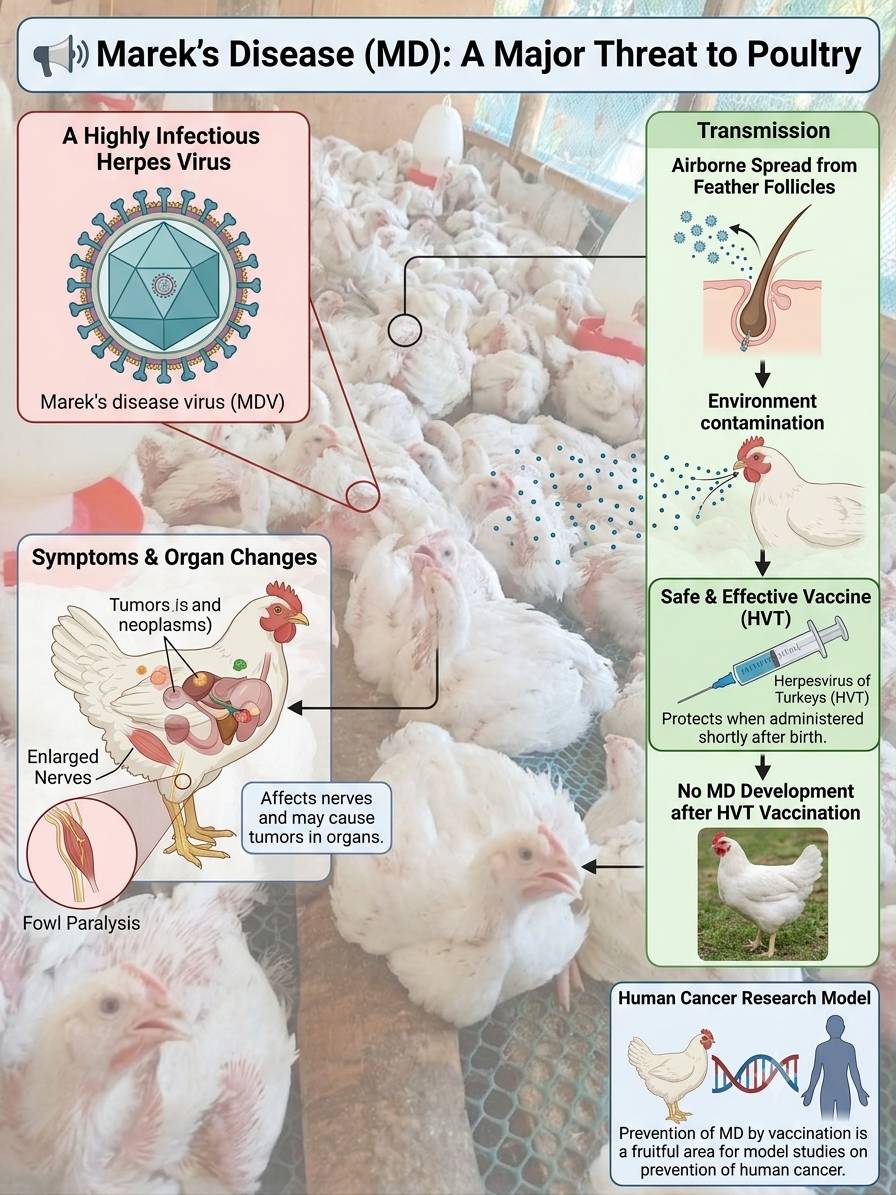
Splayed leg posture: indicative of vitamin D deficiency or Marek's disease
Stargazing: classic sign of neurological disorders
Tail dragging: suggestive of parasitic infestation
Ocular and Oral Examinations
Healthy chickens have bright, alert eyes with clear ocular membranes. Pathological indicators include:
Swollen or weeping nares
Discharge from eyes (purulent or serous)
Yellowish discoloration of combs (possible jaundice)
Lesions on the oral mucosa
Respiratory and Digestive System Assessment
Respiratory Indicators
Listen for abnormal respiratory patterns:
Rales or wheezing
Gasping or open-mouth breathing
Constant sneezing or coughing
Digestive Health
Monitor for:
Diarrhea or undigested feed in droppings
Crop abnormalities (distended or empty)
Decreased water consumption (may indicate renal failure)
Advanced Diagnostic Techniques
For suspected serious conditions, implement these monitoring protocols:
Body Temperature Measurement
Normal avian temperature ranges from 40.5-41.5°C (105-107°F). Hypothermia (≤38°C) or fever (≥42°C) requires immediate intervention.
Dehydration Assessment
Pinch the neck skin to evaluate turgor. Prolonged tenting indicates dehydration exceeding 8% of body weight.
Pulse and Capillary Refill Time
Palpate the femoral artery. Normal capillary refill occurs within 3 seconds. Prolonged refill suggests circulatory compromise.
Management Protocols for Suspect Birds
Isolation procedures: Quarantine suspected birds in a climate-controlled environment
Diagnostic testing: Utilize rapid antigen tests for common pathogens (influenza, Newcastle)
Supportive care: Administer electrolytes, multivitamins, and appropriate antibiotics under veterinary guidance
Record keeping: Maintain detailed health records for pattern recognition
Preventative Health Strategies
Prevention remains the cornerstone of poultry management. Implement these evidence-based protocols:
Biosecurity measures: Regular sanitation of housing and equipment
Vaccination schedules: Follow recommended programs for core pathogens
Nutritional audits: Ensure balanced rations with calcium:phosphorus ratios of 2:1
Environmental enrichment: Reduce stress through adequate space and foraging substrates
Conclusion and Prognostic Considerations
Early detection significantly improves treatment success rates in avian patients. Producers should conduct daily health sweeps and maintain strong relationships with veterinary diagnosticians. When symptoms persist beyond 48 hours or systemic signs emerge (toxemia, septicemia), professional intervention is critical. Proactive monitoring not only improves animal welfare but also enhances farm profitability through reduced mortality and optimized production parameters.