You are checking your layers at 6 AM in Ruiru, and something feels off. Three birds are standing with their heads twisted backward, pressing against the wire mesh. Two more are circling in tight, aimless loops near the waterer. One hen lies on her side, legs paddling involuntarily. The flock that was chirping at dawn is now silent except for the labored breathing of the birds still standing. You have seen respiratory issues before, but this is different. This is neurological. And in Newcastle Disease, when the nervous system is involved, the window to act narrows quickly.
Newcastle Disease (ND) is one of the most devastating viral diseases affecting poultry worldwide, and the neurological form—caused by neurotropic velogenic strains—can wipe out a flock before you realize how serious the situation is. While respiratory signs like coughing and sneezing get most of the attention, the neurological symptoms are often the first indicators that your birds are in serious trouble. Understanding these signs, knowing what to do immediately, and preventing future outbreaks separates farmers who lose hundreds of birds from those who manage their flocks through the crisis.
Understanding Newcastle Disease and Its Neurological Impact
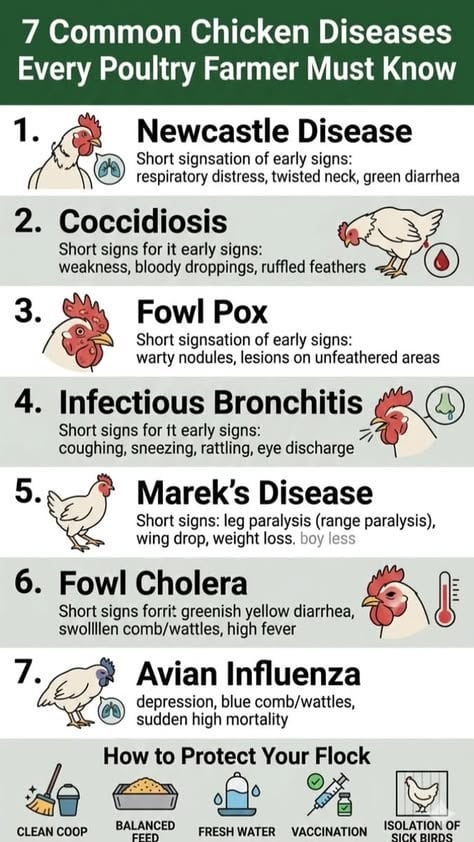
Newcastle Disease is caused by a paramyxovirus that affects the respiratory, digestive, and nervous systems of birds. While many strains exist, ranging from mild to highly pathogenic, the neurotropic velogenic strain is particularly dangerous for chicken keepers. This specific form attacks the central nervous system first, which means the neurological signs you observe are not secondary complications—they are the primary attack.
The economic reality is stark. In an outbreak, mortality rates can reach 90% in unvaccinated flocks, though rates vary based on the specific strain, bird age, and immune status. For a smallholder in Nairobi with 200 layers, losing 70% of the flock to a neurological ND outbreak represents not just lost income but potentially weeks of recovery time before the farm generates consistent egg production again. For commercial operations, the losses compound across thousands of birds and feed costs already invested.
The Neurological Signs: A Detailed Guide
Recognizing the specific neurological manifestations of Newcastle Disease requires close observation. Unlike respiratory issues that affect many birds simultaneously in obvious ways, neurological signs can appear individually, making diagnosis trickier.
Early Warning Signs: Tremors and Head Shaking
The first neurological indicators often appear subtle. You might notice a bird shaking its head frequently, as if trying to clear water from its ears. This "head shaking" or "shaking head" is often accompanied by a slight tremor in the neck muscles. The bird may appear unsteady on its feet, taking wider stances than normal to maintain balance.
These tremors stem from the virus affecting the bird's balance and coordination centers in the brain. At this stage, the bird may still be eating and drinking, though slightly less vigorously than healthy flock mates. If you catch these early signs, you have precious time to isolate the affected birds before the disease progresses.
Progressive Symptoms: Torticollis and Circling
As the disease advances, the neurological damage becomes more apparent. Torticollis—twisting of the head and neck—is a classic sign. You will see birds holding their heads at odd angles, sometimes twisted backward or to one side. This is not a sleeping position; the bird cannot correct it and will struggle to eat or drink in this posture.
Circling is another telltale sign. Affected birds walk in tight, continuous circles, often pressing against fences or walls because they cannot navigate straight lines. This happens because the virus damages the vestibular system, which controls balance and spatial orientation. A bird that was pecking happily at the feed trough yesterday may today be trapped in a repetitive loop near the waterer.
Advanced Stages: Paralysis and Seizures
Without intervention, the disease progresses to complete paralysis. You will see birds lying on their sides with legs extended, unable to stand. Wing drooping is common—birds may hold one wing away from their body or drag it along the ground. Some birds enter tonic-clonic seizures, where their bodies stiffen and relax in rhythmic spasms.
At this stage, mortality is extremely high. The bird's respiratory muscles may also be affected, leading to the gasping and open-mouth breathing that often draws farmers' attention first. However, by the time respiratory signs appear, the neurological damage is already extensive.
The Respiratory Connection
While neurological signs dominate the early phase of neurotropic velogenic Newcastle Disease, respiratory symptoms will appear as the disease progresses. You might hear gasping, see nasal discharge, or notice rales (abnormal lung sounds) when listening to the birds' chests. Coughing and sneezing indicate that the virus has moved to the respiratory tract.
Crucially, in the neurological form, respiratory signs usually appear after neurological signs have been present for some time. This timeline matters for your response strategy. If you see birds with twisted necks and circling behavior first, and then notice respiratory distress developing, you are likely dealing with the neurological strain rather than a purely respiratory pathogen like Infectious Bronchitis.
Other Physical Signs to Monitor
Newcastle Disease affects multiple body systems simultaneously. Beyond the obvious neurological signs, watch for facial swelling, particularly around the eyes and wattles. Some birds develop a bluish-purple discoloration of the face and comb due to oxygen deprivation and circulatory failure. General diarrhea—often green and watery—indicates the digestive system involvement that accompanies the neurological attack.
Retarded growth in younger birds is another indicator. If you are raising pullets or broilers, you might notice birds that are significantly smaller than their flock mates, with poor feather condition and lethargy. These birds may be in the early stages of neurological infection before the more dramatic signs appear.
Immediate Response: What to Do When You See These Signs
When you observe neurological signs in your flock—especially torticollis, circling, or paralysis—act immediately. The virus spreads rapidly through direct contact with infected birds, their droppings, and contaminated equipment.
First, isolate the affected birds in a separate, secure area away from the main flock. If you have a hospital cage or recovery pen, move them there now. Second, do not attempt to treat the disease with antibiotics; Newcastle is viral, and antibiotics will not stop the neurological damage or the mortality. Third, contact your local veterinary officer or poultry disease diagnostic laboratory immediately. In Kenya, reporting outbreaks helps contain the spread and protects neighboring farms.
Practice strict biosecurity during this time. Wear separate footwear and clothing when attending to sick birds, and wash your hands thoroughly. Disinfect foot baths regularly. If mortality is high and the disease appears to be spreading rapidly through the flock, consult with a veterinarian about humane euthanasia protocols for birds showing advanced neurological signs to prevent unnecessary suffering.
Economic Impact: Calculating Your Losses
The financial impact of a Newcastle Disease outbreak extends beyond the obvious loss of dead birds. Consider the following calculation for a small commercial flock:
Suppose you have 500 layers. During an outbreak, 60% mortality occurs (300 birds lost). Each layer represents approximately KES 3,500 in initial investment (chick cost, feed, vaccination). Your direct loss is KES 1,050,000. However, this ignores the 200 surviving birds that may have reduced egg production for 4-6 weeks due to stress and subclinical infection. If those hens normally produce 4,000 eggs monthly at KES 15 per egg, and production drops by 30% during recovery, you lose an additional KES 180,000 in potential revenue. Plus, the time and labor spent on treatment, cleaning, and disinfection adds hidden costs.
For urban farmers in Nairobi who sell live birds at City Cabanas or Dagoretti Market, an outbreak can mean losing your entire capital investment in a single week. Unlike commercial operations with insurance or credit relationships, backyard farmers often have no safety net when Newcastle Disease strikes.
Prevention Strategies for Your Farm
Prevention remains the only reliable defense against neurological Newcastle Disease. While vaccination is available and effective for certain strains, it requires consistent application and proper handling to work.
Biosecurity Fundamentals
Use certified seed from reputable suppliers. The research on seed certification shows that using certified planting material (in crop farming) reduces disease incidence significantly, and the principle applies to poultry: certified, disease-free chicks from reputable hatcheries provide your first line of defense. Always quarantine new birds for at least 30 days before introducing them to your main flock. This isolation period allows you to observe for neurological signs or other diseases before exposing your established birds.
Maintain strict visitor protocols. Delivery personnel, customers, and neighbors can carry the virus on their shoes and clothing. Provide dedicated footwear for your farm and ask visitors to disinfect before entering the poultry area. If you keep different age groups or species, separate them by distance and ensure equipment is not shared between groups.
Genetic Resistance and Breed Selection
While specific genetic resistance to Newcastle Disease varies by strain, selecting for robust, locally-adapted breeds improves your flock's overall resilience. In Kenya, indigenous breeds like the Kienyeji (local chicken) often show better disease resistance than imported commercial hybrids, though they may be less productive. If you are raising commercial layers or broilers, choose stock from breeders who prioritize disease resistance traits in their breeding programs. Over time, genetic selection can improve flock immunity, though this requires patience and careful record-keeping.
Nutritional Management
Nutrition plays a supporting role in maintaining flock health. Research shows that incorporating whole grains into pelleted diets at 200 g/kg can reduce certain digestive issues in broilers. While this specific study focused on proventricular dilatation, proper nutrition supports overall immune function. Ensure your flock receives balanced feed with adequate vitamins and minerals, particularly vitamin E and selenium, which support neurological health. Clean, fresh water must be available at all times, as dehydration worsens the impact of any disease.
When to Seek Professional Help
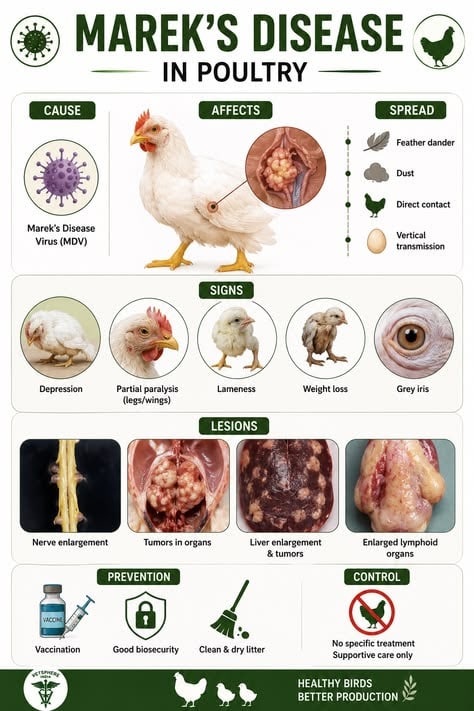
Not all neurological symptoms indicate Newcastle Disease. Other conditions like Marek's Disease, Avian Encephalomyelitis, or even simple vitamin deficiencies can cause similar signs. If you observe multiple birds with neurological symptoms simultaneously, or if the signs progress rapidly, contact a veterinarian immediately.
Professional diagnosis involves necropsy examination and laboratory testing. In Kenya, the Veterinary Research Institute in Muguga or private diagnostic labs can confirm Newcastle Disease through PCR testing or virus isolation. Early confirmation allows for faster containment and helps you understand which strain you are dealing with, which affects vaccination protocols for surviving birds.
Conclusion
Neurological Newcastle Disease moves fast, and the signs—from subtle head tremors to complete paralysis—demand immediate attention. By understanding that neurological signs often precede respiratory symptoms, recognizing the specific behaviors like torticollis and circling, and acting swiftly to isolate and report outbreaks, you can minimize losses on your farm.
Remember that prevention through certified stock, strict biosecurity, and genetic selection offers better protection than any treatment. The cost of implementing these measures is minimal compared to the devastation of an outbreak.
Have you experienced neurological signs in your flock? What response strategies worked best for you? Share your experiences in the comments below, and follow Poultry Market for more practical guidance on keeping your birds healthy and productive.