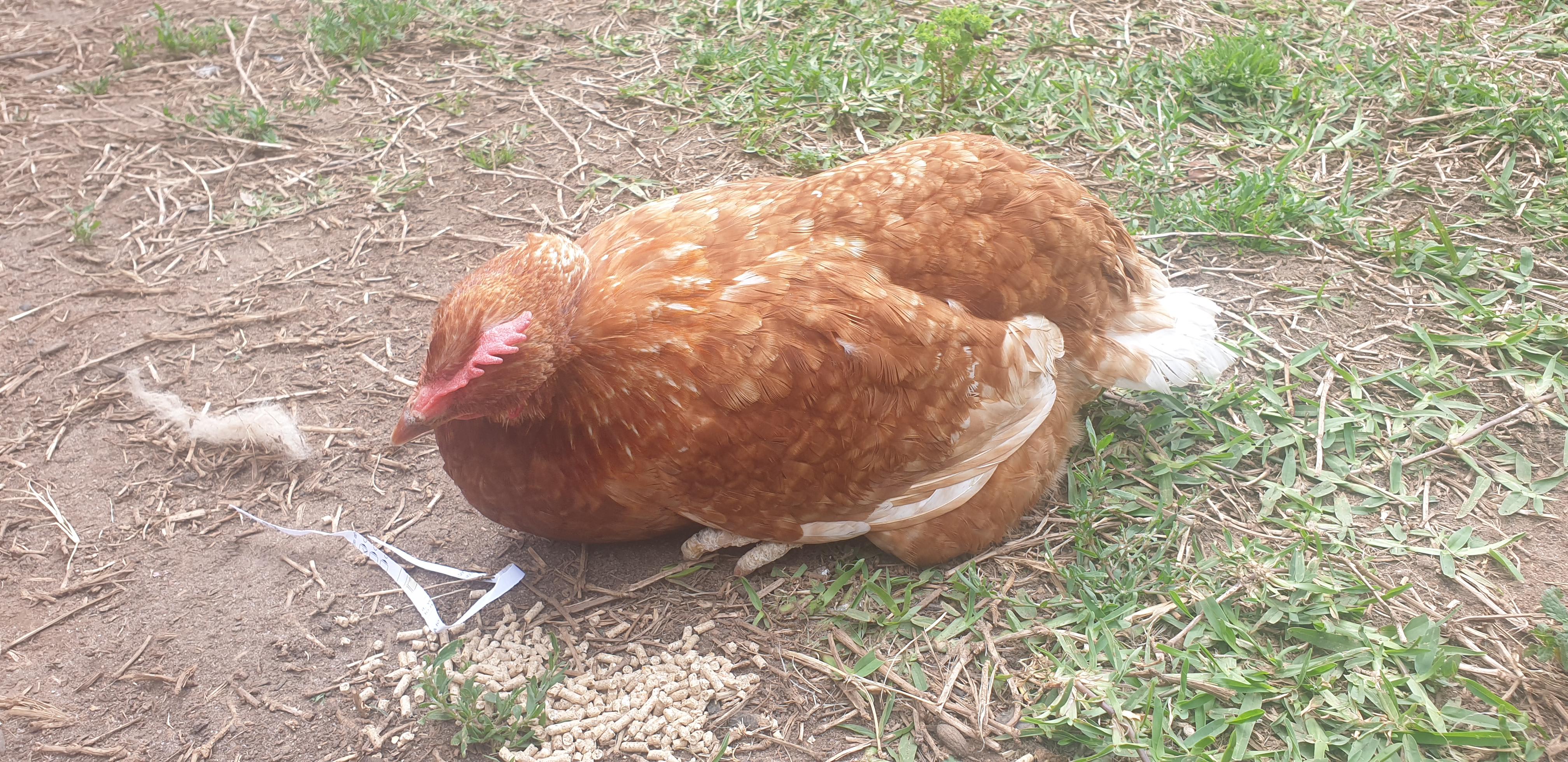
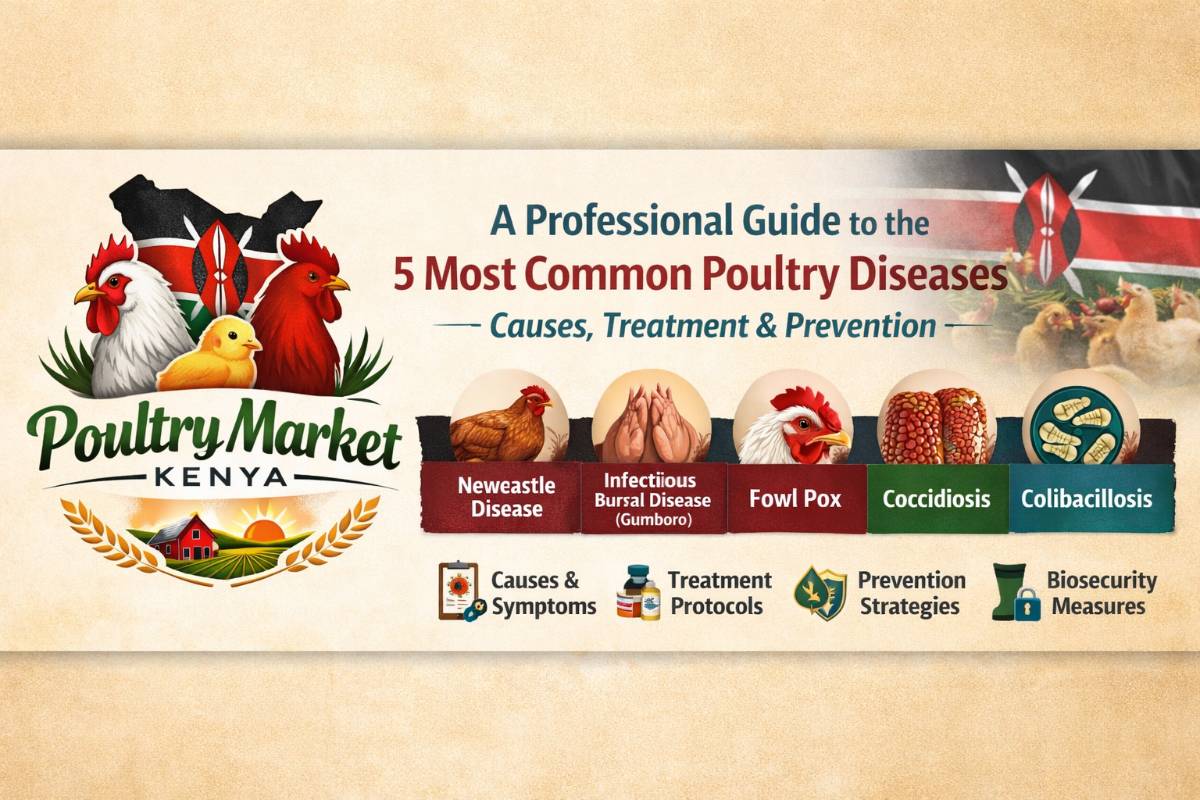
Imagine walking into your chicken house one morning and finding three birds dead, five more sitting fluffed up in a corner, and droppings that look nothing like they did yesterday. For most poultry farmers, this moment is not a question of if but when. Disease is one of the biggest threats to any flock, whether you keep 20 birds behind your house or 5,000 in a commercial unit.
The good news? Most serious losses can be prevented or reduced if you recognize the warning signs early. Here are seven chicken diseases every poultry farmer should understand, along with what to look for and what you can actually do about them.
1. Newcastle Disease
Newcastle disease is one of the most feared poultry diseases, especially the highly virulent (velogenic) form. It spreads fast and can wipe out a large part of a flock in days.
What to watch for:
- Sudden deaths with few warning signs
- Difficulty breathing, coughing, and gasping
- Greenish, watery diarrhea
- Twisted necks, paralysis, or birds walking in circles
- A sharp drop in egg production
What you can do: There is no cure once birds are infected, so prevention is everything. Vaccination is the single most effective tool, and your vaccination schedule should be followed strictly. If you suspect Newcastle in your flock, isolate sick birds immediately and contact a veterinarian, because this is a reportable disease in many countries.
2. Avian Influenza (Bird Flu)
Avian influenza, especially the highly pathogenic form, is rare but devastating when it strikes. It is monitored globally by animal health organizations because of how quickly it can spread and its potential risk to humans.
What to watch for:
- Sudden, unexplained deaths across the flock
- Swollen heads, combs, and wattles
- Blue or purple discoloration of the comb
- Nasal discharge and difficulty breathing
- A sudden stop in laying
What you can do: Strict biosecurity is your best defense. Limit visitors to your poultry house, keep wild birds away from feed and water, and quarantine any new birds before mixing them with your flock. If you suspect bird flu, do not move or sell any birds, and report it to veterinary authorities immediately.
3. Coccidiosis
If you keep young chicks on litter, coccidiosis is probably the disease you will meet first. It is caused by a microscopic parasite that damages the gut, and it thrives in warm, damp litter.
What to watch for:
- Bloody or watery droppings
- Droopy, huddled chicks with ruffled feathers
- Poor growth and pale combs
- Loss of appetite
What you can do: Prevention focuses on management. Keep litter dry, avoid overcrowding, and clean drinkers regularly so droppings do not contaminate water. Many farmers use coccidiostats in feed or vaccinate chicks early. If an outbreak happens, a veterinarian can recommend an appropriate treatment. Have you checked the moisture level of your litter this week? Wet litter around drinkers is one of the most common triggers.
4. Marek's Disease
Marek's disease is a viral condition that mostly affects growing birds, often between 6 and 30 weeks of age. It causes tumors and nerve damage, and once a bird shows symptoms, there is no treatment.
What to watch for:
- Lameness or paralysis in one or both legs (one leg stretched forward, one back is a classic sign)
- Wing drooping
- Weight loss despite eating
- Irregular or grey-colored eyes
What you can do: Vaccination is done at the hatchery, usually at day-old, so always ask your supplier whether chicks have been vaccinated against Marek's. This is one of the most important questions you can ask before buying chicks, yet many farmers never think to ask it.
5. Infectious Bronchitis
Infectious bronchitis is a highly contagious respiratory disease. In layers, it is especially costly because it damages the reproductive system, leading to poor egg quality that can last long after birds recover.
What to watch for:
- Coughing, sneezing, and rattling sounds in the flock
- Nasal discharge and watery eyes
- Drop in egg production
- Soft-shelled, misshapen, or rough eggs
What you can do: Vaccination is widely available and should be part of your routine program. Good ventilation matters more than many farmers realize, because damp, ammonia-filled air makes respiratory disease far worse. If your eyes sting when you enter the chicken house, the ammonia level is already too high for your birds.
6. Salmonellosis (Including Pullorum Disease)
Salmonella infections affect chickens of all ages, and pullorum disease is particularly deadly in young chicks. Beyond bird losses, salmonella is a food safety concern because it can be transmitted to people through eggs and meat.
What to watch for:
- White or pasty droppings stuck around the vent in chicks
- Weakness, huddling near heat, and high chick mortality
- Diarrhea and reduced appetite in older birds
What you can do: Buy chicks from reputable hatcheries that test their breeding flocks. Keep feed and water clean, control rodents, and practice good hygiene when handling eggs. If chick mortality is high in the first ten days of life, salmonella or similar bacterial infections should be on your list of suspects, and a veterinarian can help confirm the cause.
7. Infectious Coryza
Infectious coryza is a bacterial disease that affects chickens, pheasants, and guinea fowl. It spreads through the flock quickly and often returns after birds seem to recover.
What to watch for:
- A foul-smelling discharge from the nostrils and eyes
- Swollen face and wattles
- Sneezing and difficulty breathing
- Reduced feed intake and egg production
What you can do: The classic sign is that foul smell, so trust your nose when you walk through the flock. Antibiotics prescribed by a veterinarian may help reduce losses, but recovered birds can remain carriers. The most reliable long-term solution for a badly affected flock is often depopulation, thorough cleaning and disinfection, and restocking with healthy birds. Avoid mixing birds of different ages, since older carrier birds are a common source of infection.
Building a Simple Disease Defense Plan
Knowing diseases is only half the job. The other half is building habits that keep them out:
- Vaccinate on schedule. Newcastle, Marek's, and infectious bronchitis are all preventable with proper vaccination.
- Quarantine new birds for at least two weeks before mixing them with your flock.
- Keep litter dry and ventilation strong. Many diseases begin with damp, dirty housing.
- Observe your flock daily. Changes in droppings, appetite, or behavior are your earliest warning system.
- Call a veterinarian early. Sudden deaths, paralysis, or rapid spread through the flock are signs you should not handle alone.
Final Thoughts
Disease will always be part of poultry farming, but heavy losses do not have to be. The farmers who succeed long-term are not the ones who never see disease; they are the ones who spot it early, act quickly, and prevent it from coming back. Which of these diseases have you dealt with in your flock, and what worked for you?
If you found this guide useful, follow Poultry Market for more practical poultry health and farming content. Share it with a fellow farmer who might need it, and drop your experience or question in the comments. Your story could help another farmer save their flock.
References
-Marek's Disease in Poultry: A Comprehensive Guide for Kenyan Farmers