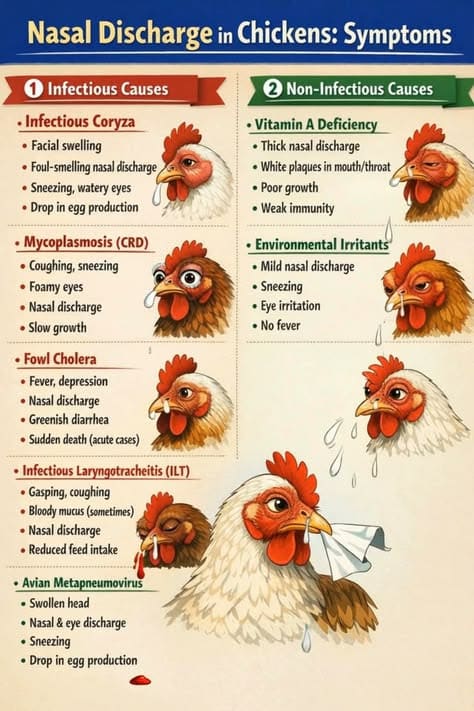
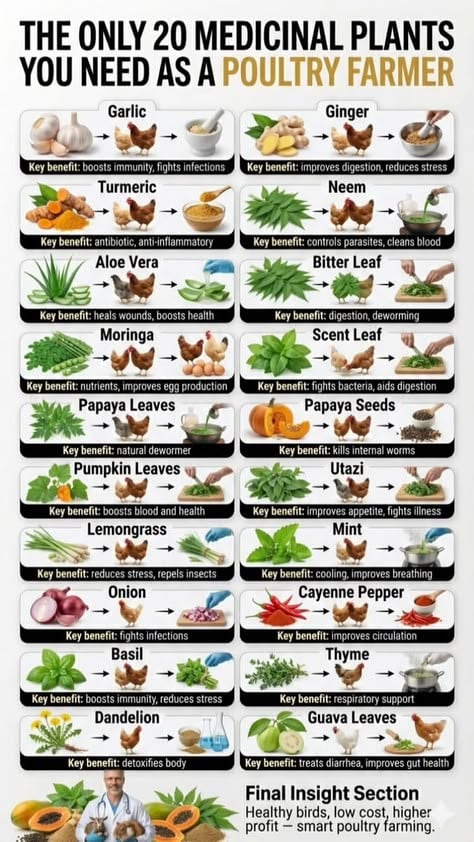
You're walking the coop at 6 AM, coffee in hand, and notice the respiratory rattles starting in your week-old broilers. The vet's number is in your phone, but the consultation fee stings before you even dial. What if the remedy was growing in a pot by the back door? Mint isn't just for mojitos and lamb chops. For poultry farmers, the right varieties become a low-cost toolkit for respiratory support, parasite pressure, and even feed palatability. The trick is knowing which mint does what, and how to grow it without it taking over your entire shamba.
Why Mint Belongs on Every Poultry Farm
Most farmers think of herbs as kitchen crops. But mint's volatile oils — menthol, menthone, pulegone, limonene — have documented antimicrobial, antiparasitic, and expectorant properties. A 2018 study in Poultry Science found that supplementing broiler diets with 0.5% peppermint oil improved feed conversion ratio and reduced E. coli counts in the ceca. Another trial showed spearmint extract lowered ammonia emissions in layer houses by 22% over 8 weeks.
That's not magic. It's biochemistry you can grow.
The challenge: mint spreads like gossip at a chama meeting. Plant it in open ground and you'll be digging runners out of your maize rows for years. The solution? Containers. Raised beds with barriers. Designated herb corridors along fence lines where the spread actually helps suppress weeds.
The Top 10 Mint Varieties for Poultry Operations
1. Peppermint (Mentha × piperita)
Highest menthol content of the common mints (40-50% of essential oil). That's your respiratory workhorse. Crush fresh leaves into drinking water during dusty season or when you hear the first sneezes. The menthol vapor acts as a natural decongestant.
Poultry application: Add 2-3 crushed leaves per liter of water for 3-5 days during respiratory challenges. Don't exceed this — high menthol can reduce feed intake.
Growing tip: Peppermint is sterile (hybrid), so it won't seed everywhere. But the runners are aggressive. A 20-liter bucket with drainage holes, sunk into soil with the rim 5 cm above ground, contains it beautifully.
2. Spearmint (Mentha spicata)
Lower menthol (0.5-1%), higher carvone. Gentler action. Better for sustained, low-level support rather than acute episodes. The carvone has shown anticoccidial activity in lab settings.
Poultry application: Mix fresh chopped spearmint into wet mash at 1% inclusion rate (10g fresh herb per kg feed) for growing pullets. Improves palatability and may support gut health.
Growing tip: Spearmint tolerates more shade than peppermint. Plant it under the north side of your coop where it gets morning sun only.
3. Apple Mint (Mentha suaveolens)
Also called woolly mint for its fuzzy leaves. Mild, fruity flavor. Lower essential oil content means you can use larger quantities safely. The leaves are larger — easier to harvest in volume.
Poultry application: Excellent for nesting boxes. The soft leaves don't irritate vents, and the scent deters mites. Refresh weekly.
Growing tip: More cold-tolerant than other mints. In highland areas (Limuru, Nyahururu), this one keeps producing through July.
4. Chocolate Mint (Mentha × piperita 'Chocolate')
A peppermint cultivar with a chocolate-mint aroma. Same menthol profile as peppermint but more palatable to birds who might reject straight peppermint's intensity.
Poultry application: Transition birds to medicated water by starting with chocolate mint infusion, then switching to plain peppermint if needed.
Growing tip: The stems are darker, almost purple. Pretty enough for a roadside herb stand if you're diversifying income.
5. Orange Mint (Mentha × piperita 'Citrata')
Citrus notes from high limonene content. Limonene has documented insect-repellent properties — particularly against flies and mosquitoes.
Poultry application: Hang fresh bunches in the coop during rainy season when fly populations explode. Replace every 4-5 days as oils evaporate.
Growing tip: Less invasive than standard peppermint. Still containerize it, but you can use a slightly smaller pot (15 liters).
6. Pineapple Mint (Mentha suaveolens 'Variegata')
Variegated apple mint. Cream-edged leaves make it easy to spot in mixed plantings. Same mild profile as apple mint.
Poultry application: Visual marker plant. Plant at the corners of your herb section so workers can identify the "safe for poultry" zone at a glance.
Growing tip: The variegation means less chlorophyll — it grows slower. Less containment worry, but also less biomass for harvest.
7. Ginger Mint (Mentha × gracilis)
Hybrid of spearmint and corn mint. Warm, spicy undertone. Contains both carvone and menthol in moderate amounts.
Poultry application: Good all-rounder for general flock tonic. Brew as tea (1 cup fresh leaves per 5 liters boiling water, steep 15 minutes, cool) and offer free-choice once weekly.
Growing tip: Upright growth habit (to 60 cm) rather than sprawling. Easier to harvest clean leaves from.
8. Corsican Mint (Mentha requienii)
Tiny leaves, moss-like ground cover. Intense pennyroyal-like aroma. Caution: Contains pulegone, which is hepatotoxic in high doses. Use only externally.
Poultry application: Plant as living mulch around coop exterior. The scent barrier discourages rodents and crawling insects. Do NOT feed to birds.
Growing tip: Needs consistent moisture. Dies back in dry season but returns with rains. Perfect for the damp spot near your water tank overflow.
9. Pennyroyal (Mentha pulegium)
Not for internal use. High pulegone content (up to 90% of oil) causes liver failure in birds and mammals. Historically used as abortifacient — avoid entirely with breeding stock.
Poultry application: External only. Dried bundles in nest boxes for mite deterrence. Keep far from feed and water sources.
Growing tip: If you grow this, label it aggressively. Red paint on the pot rim. Separate location. This is not a mistake you want to make.
10. Wild Mint / Field Mint (Mentha arvensis)
Native to Kenya's highlands. Variable chemistry — some populations high in menthol, others in menthone. If you can source local ecotypes, they're pre-adapted to your climate.
Poultry application: Test a small patch first. If menthol-dominant, use like peppermint. If menthone-dominant, use like spearmint.
Growing tip: Often grows wild along stream banks in Kiambu and Nyandarua. Transplant runners in April when soils are wet.
Container Systems That Work
Forget the pretty terracotta pots. They dry out in two hours on a Kenyan afternoon. Use:
- 20-liter plastic buckets (the blue ones from cooking oil) with 8-10 drainage holes drilled in the bottom
- Sunk into ground with rim 5 cm above soil level — this insulates roots and prevents toppling
- Shade cloth cover (30%) for first two weeks after transplanting
- Drip irrigation if you have it; otherwise, a 2-liter bottle with pinholes buried neck-down beside each plant
Soil mix: 2 parts red soil, 1 part well-rotted manure, 1 part rice husks or coconut coir. Mint hates waterlogged roots but needs constant moisture. The husks hold water without sogginess.
Fertilize monthly with diluted chicken manure tea (1:20 ratio). Yes, your own waste feeds your medicine cabinet. That's the circle.
Harvest Protocols for Poultry Use
Timing matters. Essential oil concentration peaks just before flowering, mid-morning after dew dries but before heat stress. Harvest by cutting stems 5 cm above soil — this encourages bushier regrowth.
For water infusion: use same-day harvest. Oils degrade fast once cut.
For drying: hang small bundles in a dark, ventilated room. Dry until leaves crumble (3-5 days). Store in airtight containers away from light. Dried mint retains 60-70% of volatile oils at 6 months.
Critical: Never harvest from plants showing rust (orange pustules on leaf undersides) or powdery mildew. Fungal spores in the coop are the last thing you need.
Integrating Mint Into Your Flock Management Calendar
January-March (dry, hot): Focus on orange mint and spearmint for fly control. Peppermint water during dust events.
April-June (long rains): Respiratory season. Peppermint and chocolate mint in drinking water 3 days weekly. Fresh spearmint in mash for layers.
July-August (cold, dry): Apple mint and pineapple mint in nest boxes. Ginger mint tea weekly tonic.
September-December (short rains): Second respiratory push. Rotate peppermint and spearmint to prevent tolerance.
Adjust for your microclimate. A farmer in Kajiado runs a different calendar than one in Kisii.
Common Mistakes That Cost You
- Planting in open ground. You will regret this. Mint runners travel 1 meter per season underground.
- Overdosing peppermint water. Birds reduce intake. You'll see empty drinkers and think they're sick.
- Confusing pennyroyal with other mints. Label everything. Use waterproof marker on pot rims.
- Harvesting wet leaves. Dilutes oils, promotes mold in storage.
- Ignoring flowering. Once mint flowers, leaf production drops and oil profile shifts. Pinch flower buds weekly.
Economics: Does It Pencil Out?
Let's run numbers for a 500-bird layer operation.
Setup cost (Year 1):
- 20 buckets × KSh 150 = KSh 3,000
- Soil mix (3 m³) = KSh 4,500
- Starter plants (10 varieties × 2 plants) = KSh 2,000
- Drip kit = KSh 3,500
- Total: ~KSh 13,000
Annual operating cost:
- Manure tea (labor only) = negligible
- Replacement plants (10%) = KSh 200
- Total: ~KSh 200/year
Value created (conservative estimates):
- Reduced respiratory treatments: 2 fewer antibiotic courses/year × KSh 2,500 = KSh 5,000
- Fly control savings (less spray): KSh 1,500
- Nest box mite reduction: KSh 1,000
- Feed palatability (1% less waste): 500 birds × 120g/day × 365 × 0.01 × KSh 45/kg = KSh 9,855
- Total annual value: ~KSh 17,355
Payback: 9 months. After that, it's pure margin.
These are illustrative figures. Your actuals depend on disease pressure, feed costs, and management. But even at half these benefits, the math works.
What About Broilers?
Same principles, compressed timeline. For a 6-week cycle:
- Week 1-2: Spearmint in chick mash (0.5%) for gut establishment
- Week 3-4: Peppermint water (1 leaf/liter) during dusty afternoons
- Week 5-6: Orange mint bundles for fly control near finish weight
Don't use mint in the last 5 days before slaughter — withdrawal precaution for essential oil residues, though no formal withdrawal period exists for culinary herbs.
Sourcing Quality Starter Plants
Don't buy from supermarkets. Those are forced in greenhouses, weak-rooted, often mislabeled. Instead:
- Kenya Agricultural and Livestock Research Organization (KALRO) herb plots in Muguga and Kakamega
- Herb farmers in Limuru and Tigoni — visit their farms, see the plants growing
- Other poultry farmers — the best genetics are already adapted to someone's coop
Ask for "mother plants" — established clumps you can divide. One healthy mother gives you 10-15 starter plants.
A Note on Veterinary Integration
Mint supports. It doesn't replace. If your flock shows:
- Mortality > 1% per week
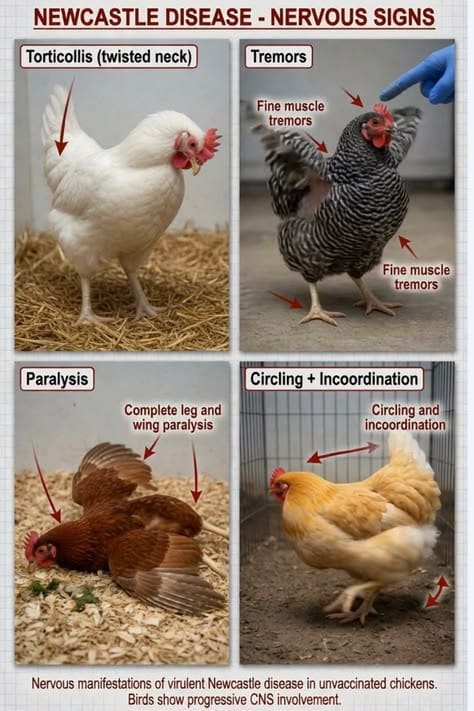
- Gasping, head shaking, swollen sinuses
- Green diarrhea
- Sudden drop in egg production > 10%
Call the vet. Herbs are complementary management, not curative medicine for acute disease.
Your Next Steps
This week: Identify that damp, unused corner behind the feed store. Order 20 blue buckets. Drill holes.
Next week: Visit a herb farmer. Buy 5 varieties — peppermint, spearmint, apple mint, orange mint, ginger mint. Skip pennyroyal until you have a labeled, isolated spot.
Month 1: Establish containers. Mulch heavily. Water daily.
Month 2: First harvest. Test peppermint water on one pen. Watch. Record.
Month 3: Expand to full flock based on results.
References
- How to Grow Mint (Other Varieties) — LizPlants
- How To Grow Mint: Choosing The Right Location, Varieties, Planting Tips, And Care | Garvillo
- Growing Herbs for Profit: Which Herbs Pay and How to Sell
You've got buckets. You've got manure. You've got birds that need every advantage. Mint is the lowest-risk, highest-return addition you can make to your poultry operation this season. Start with three varieties. Master them. Then expand.
What's the first mint variety you're planting? Comment below — your experience helps the next farmer.
Follow Poultry Market for more practical, profitable poultry content tailored to Kenyan conditions. Share this with a farmer who's still buying expensive respiratory treatments.