You grab your morning basket and notice something off. The eggs look thin, almost fragile, or perhaps the shells are pitted with tiny dark spots you have never seen before. By the third day of collecting these questionable shells, you start wondering: Is this a nutrition problem, a disease outbreak, or simply the heat stress hitting your flock harder this season?
Shell quality tells you everything about your layers' health, but interpreting those signals requires understanding what each defect actually means.
Why Eggshell Quality Matters More Than You Think
Before diving into specific defects, remember that eggshells are not just packaging. They protect the egg from bacterial invasion, regulate moisture and gas exchange, and provide that first line of defense for the developing embryo if you are breeding. When shells fail, you face cracked eggs in transport, reduced hatchability, and lower market prices for table eggs.
The economic impact is difficult to assess precisely because it compounds across your production cycle. A thin shell today means a weaker shell tomorrow, and eventually, you might see shell-less eggs or complete reproductive failure. Integrated analysis has become far more significant in today's intensive production systems because the outcome of disease challenge is so markedly influenced by environmental conditions.
In Nairobi urban farms or small backyards, where space limits exercise and ventilation, you face unique challenges. Your layers might not be getting the calcium they need, or heat stress might be disrupting their calcium metabolism even when the diet looks correct on paper.
Problem 1: Thin Shells
What you see: Eggs with visibly thin, almost translucent shells that feel lightweight.
What it means: This is usually a calcium deficiency or absorption issue. Layers need approximately 3 to 4 grams of calcium daily, and if your feed isn't providing enough, or if your birds cannot absorb it properly, the shell gland produces a membrane without adequate calcium carbonate deposition.
Causes to check:
- Is your layer feed actually formulated for high production? Some feeds save costs by reducing calcium.
- Are you providing free-choice oyster shell or limestone? In small-scale setups without commercial feed, this gap often shows up first as thin shells.
- Heat stress: When temperatures rise above 30°C, hens reduce feed intake but still need calcium. They cannot eat enough feed to meet calcium demands, leading to thin shells.
- Age: Older hens (over 2 years) often produce thinner shells as their reproductive system slows.
The calculation: If you have 100 layers consuming 120g of feed daily at 3% calcium content, that provides 3.6g calcium per bird. Add free-choice oyster shell, and you might push this to 4.5g. If your birds are consuming less feed due to heat, they might drop below 3g, resulting in thin shells.
Solution: Increase calcium supplementation, ensure cool drinking water (adding electrolytes during heat waves helps), and consider reducing production strain by allowing older hens to molt rather than forcing continuous lay.
Problem 2: Rough or Wrinkled Shells
What you see: Shells that look bumpy, pitted, or have an irregular, almost orange-peel texture.
What it means: Something interrupted the egg's journey through the 80cm long oviduct. The shell gland deposits calcium in a smooth layer; when this process is disrupted by inflammation, infection, or stress, you get rough shells.
Causes to check:
- Oviduct infection or inflammation (salpingitis)
- Stress during the shell-forming phase (roughly 10pm to 8am)
- Nutritional imbalances affecting the shell gland's function
- Early stages of infectious bronchitis or other respiratory diseases
The connection: In integrated analysis of disease challenges, rough shells often appear 48-72 hours before you see other clinical signs of respiratory infection. The virus damages the shell gland lining before affecting the respiratory system.
Solution: Check for other symptoms like swollen abdomen or unusual droppings. Improve ventilation to reduce respiratory irritants. Ensure adequate vitamin D3 (critical for calcium absorption) and consider probiotic support during stressful periods.
Problem 3: Shell-less Eggs
What you see: Eggs with only membrane and no shell, sometimes called "soft-shelled" or "membrane eggs."
What it means: The shell gland failed to deposit calcium carbonate entirely. This is an emergency signal.
Causes to check:
- Extreme stress or shock
- Calcium deficiency (acute, not chronic)
- Oviduct prolapse or displacement
- Young pullets experiencing their first cycles (often transitional)
- Severe disease challenge
When to worry: If you see multiple shell-less eggs in one day, check your flock for disease. Newcastle disease or infectious bronchitis can cause this. Also check for egg binding (dystocia) in the oviduct.
Solution: Provide immediate calcium supplementation and review stress factors. If persistent, examine for prolapse or disease. In young pullets, this often resolves as they mature.
Problem 4: Cracks and Weak Spots
What you see: Visible cracks, hairline fractures, or soft spots on otherwise intact shells.
What it means: Mechanical stress or structural weakness. The shell might look intact but have internal micro-cracks.
Causes to check:
- Rough handling in nests (eggs rolling on hard surfaces)
- Calcium and phosphorus imbalance
- Vitamin D deficiency
- Thin shells progressing to cracks
The mechanics: Eggshells have a compression strength of about 30-40 kg, but they are brittle. A slight impact or structural weakness creates cracks.
Solution: Improve nest box design with deep litter or sand to cushion eggs. Check calcium to phosphorus ratio (should be roughly 2:1 or 3:1). If you are using layer feed, ensure it is not too high in phosphorus from meat meal additions without adequate calcium.
Problem 5: Soft Shells
What you see: Eggs with a leathery or parchment-like shell that feels flexible.
What it means: The shell gland did not harden the shell properly. This differs from thin shells because the shell material is present but not calcified.
Causes to check:
- Hypocalcemia (low blood calcium)
- Oviduct dysfunction
- Egg binding
- Young age or first lay
Solution: Immediate calcium boost, review protein levels (excess protein can interfere with calcium metabolism), and check for egg binding in the flock.
Problem 6: Unusually Shaped Eggs
What you see: Eggs that are round, elongated, or have two yolks.
What it means: The oviduct is confused or malfunctioning. When something irritates the oviduct during shell formation, the gland produces abnormal shapes.
Causes to check:
- Oviduct inflammation
- Egg binding causing the egg to sit too long in the shell gland
- Genetic factors in certain breeds
- Stress during the 24-26 hour egg formation cycle
The timeline: Remember that an egg takes roughly 24-26 hours to form. If something interrupts this process—like a predator scare or loud noise—the shell gland might deposit calcium unevenly or produce a misshapen egg.
Solution: Reduce stress during the evening hours when shell formation occurs. Ensure adequate nesting boxes (one per 3-4 hens) to prevent competition. If misshapen eggs persist, check for internal laying or egg binding.
Problem 7: Pimpled or Speckled Shells
What you see: Tiny dark spots, pimples, or a rough texture across the shell surface.
What it means: Mineral imbalances or chronic low-grade infection.
Causes to check:
- Excess protein or amino acid deficiency
- Biotin or B-vitamin deficiencies
- Chronic respiratory disease affecting the shell gland
- Water quality issues (high iron or manganese)
The research note: Studies on eggshell quality defects note that pimpled shells indicate metabolic disturbances rather than infectious disease. The spots represent calcium deposits that formed abnormally.
Solution: Review your protein levels (should be 16-18% for layers). Provide oyster grit and ensure clean water. Consider adding apple cider vinegar to water (1 tablespoon per liter) to improve mineral absorption, a practice common in small-scale Kenyan operations.
Problem 8: Translucent or Glassy Shells
What you see: Eggs that look shiny, translucent, or have a plastic-like sheen.
What it means: The shell gland secreted the shell membrane and initial calcium layer, but something stopped the process before full calcification. The egg looks like it is wrapped in cellophane.
Causes to check:
- Early termination of shell formation
- Oviduct issues
- Stress or shock during the 10pm-8am shell-forming window
- Young pullets not yet fully mature
Solution: This often resolves as birds mature. Ensure they are not being stressed during night checks or feeding times. If persistent in mature hens, check for egg binding or oviduct issues.
Management Strategies That Work
Nutrition: The Foundation
You cannot fix shell quality with medication alone. Start with:
Calcium sources: Provide free-choice oyster shell or crushed limestone. In urban Nairobi farms where commercial supplements are expensive, crushed eggshells (baked to kill bacteria) work as a supplement, though they lack the granularity of oyster shell.
Calculation: If your feed provides 3% calcium (30g per kg), and you want 4g daily intake, a 120g daily feed consumption gives you 3.6g. Add 5g of oyster shell per bird daily, and you reach 4.1g—sufficient for hot climates where absorption decreases.
Fat supplementation: Interestingly, research shows that co-supplementation with other fatty acids reduced the degree of change in eggshell thickness when birds faced challenges. However, too much fat in the diet interferes with calcium absorption. Balance is key—aim for 3-5% fat in the diet, not 8% or higher.
Environmental Control
Heat stress is the silent killer of shell quality. When temperatures exceed 30°C:
- Reduce stocking density to improve airflow
- Provide cool drinking water (below 20°C if possible)
- Add electrolytes to water (1g per liter) for 3 days during heat waves
- Increase ventilation, even in deep litter systems
In open-sided houses common in Kenyan poultry operations, ensure roof insulation to prevent heat buildup.
Disease Prevention
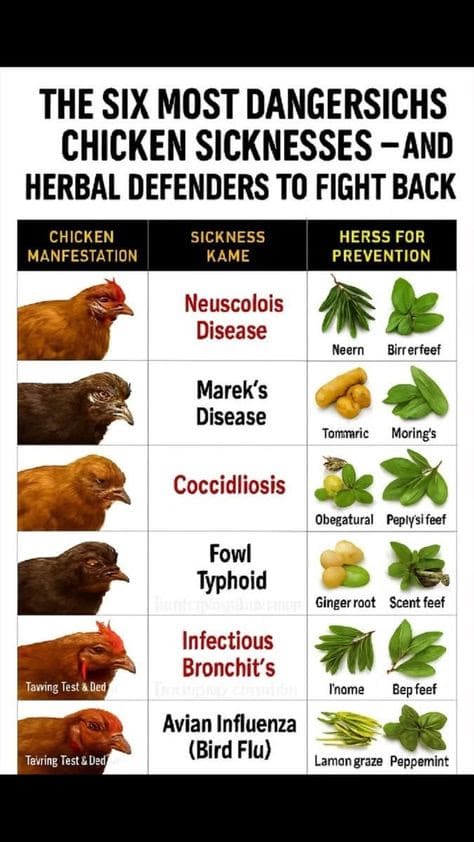
Deficiencies in energy and essential amino acids will exacerbate the effects of viral malabsorption syndrome and intestinal damage caused by coccidiosis. If you see poor shell quality alongside diarrhea or reduced feed intake, consider testing for coccidiosis or viral challenges.
The Economic Reality
Improving shell quality costs money. A ton of layer feed with adequate calcium costs 30-40% more than basic feed. Free-choice oyster shell adds roughly 15-20% to feed costs. However, cracked eggs in transport cost you 20-30% of your table egg market value.
Example: If you have 500 layers producing 450 eggs daily, and improving shell quality reduces cracked eggs from 5% to 1%, that is 22.5 more marketable eggs per day. At 20 KES per egg (Nairobi urban market price), that is an additional 450 KES daily, or 13,500 KES monthly—enough to cover your calcium supplementation costs.
When to Worry Versus When to Adjust
Not every shell defect requires panic. Young pullets often produce odd-shaped or thin shells during their first month of lay as their reproductive systems mature. Similarly, heat waves will cause temporary thin shells that resolve when temperatures drop.
However, if you see:
- Multiple shell-less eggs in one day
- Blood spots or meat spots persisting for more than a week
- Shell quality declining over several weeks despite nutrition adjustments
- Eggs with abnormal colors (green or blue shells turning white, for example)
...then you need to investigate disease or genetic issues.
Final Thoughts
Your flock communicates through those shells. Thin shells during heat stress tell you to improve cooling. Rough shells suggest you need to check ventilation and respiratory health. Shell-less eggs demand immediate attention to calcium and stress levels.
Start with the basics: adequate calcium, clean water, and protection from heat. Then layer in disease prevention and stress reduction. Most shell problems resolve when you address the underlying management issue rather than treating the symptom.
Have you noticed a specific shell defect in your flock recently? What changes have you made to address it? Share your experience in the comments below, and let's help each other troubleshoot.
For more practical poultry health guidance, follow Poultry Market for weekly articles on flock management, disease prevention, and production optimization.