In the dynamic landscape of Kenyan agriculture, many aspiring poultry farmers face a common hurdle: initial capital. The dream of a thriving poultry business often feels out of reach due to the costs associated with purchasing chicks, constructing coops, and acquiring feed. However, with ingenuity, resourcefulness, and strategic networking, it is entirely possible to establish a successful poultry venture with minimal or even zero initial cash investment. This guide is tailored for Kenyan smallholders, particularly those in regions like Kitui and Kisii, offering actionable strategies to overcome financial barriers and build a sustainable poultry enterprise from the ground up.
The Power of Bartering: Acquiring Chicks Without Cash
One of the most effective ways to bypass the cost of purchasing initial stock is through bartering. This age-old practice involves exchanging goods or services for chicks, eggs, or even mature birds. For many smallholder farmers, their existing assets – whether it's labor, other farm produce, or specific skills – can be leveraged.
Practical Bartering Strategies:
Labor Exchange: Offer to assist an established poultry farmer with daily chores, coop maintenance, or marketing in exchange for a starting flock of day-old chicks or fertile eggs.
Produce for Chicks: If you cultivate vegetables, fruits, or other crops, consider trading a porti
on of your harvest with a fellow farmer who has surplus chicks or young growers.
Skill-Based Barter: Are you skilled in carpentry, tailoring, or perhaps have expertise in a different agricultural area? Offer your services to a poultry farmer in return for your foundational flock.
Community Networks: Engage with local farmers' cooperatives, church groups, or community-based organizations. These networks often facilitate such exchanges and can connect you with willing partners. Starting with fertile eggs and hatching them naturally with broody hens, or through community-shared incubators, further reduces initial costs.
Ingenious Housing: Constructing Coops from Recycled Materials
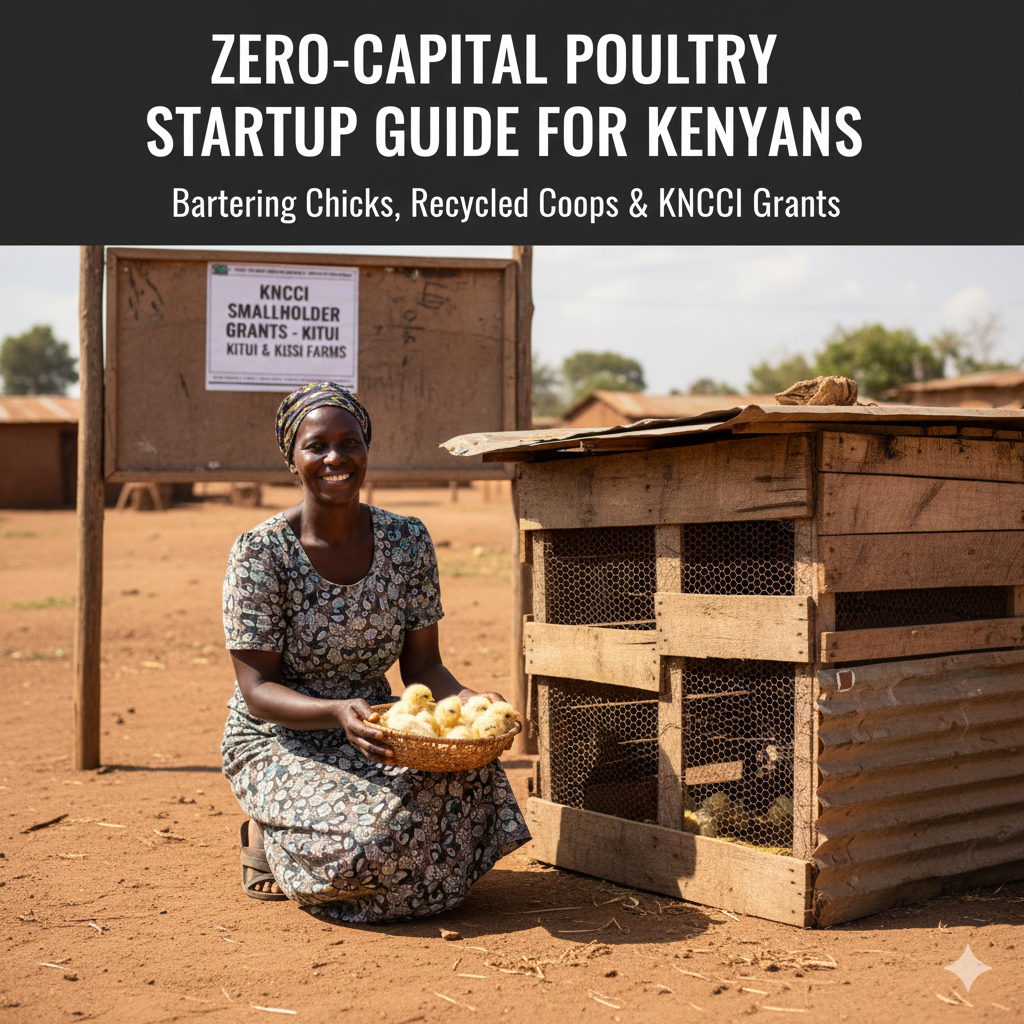
Expensive, custom-built poultry houses are a significant capital outlay that can be entirely avoided. With a keen eye for discarded materials and a bit of creativity, you can construct safe, functional, and comfortable coops that protect your birds from predators and harsh weather while promoting their health.
Effective Recycled Coop Ideas:
Wooden Pallets: Widely available from local businesses or construction sites, pallets can be dismantled and reassembled to form sturdy walls and frames for a coop. Ensure all nails are removed or hammered in safely.
Old Iron Sheets/Mabati: Scavenge for discarded mabati from old structures or construction sites. These are excellent for roofing and can also form durable walls, offering protection from rain and sun.
Used Tyres: Stacked tyres can create a robust base or even form a circular, insulated structure. They are especially useful for smaller brooding areas.
Nets and Mesh: Seek out used fishing nets (if you're near a fishing community) or discarded mosquito nets. These can be cleaned and repurposed for ventilation windows or partitions within the coop, though stronger wire mesh is needed for predator control.
Mud and Wattle: Embrace traditional building techniques. Locally sourced mud, sticks, and straw can create an effective and insulating coop structure, offering excellent thermal regulation.
Key Considerations for Recycled Coops:
Ventilation: Ensure adequate airflow to prevent respiratory issues.
Security: Predator proofing is paramount. Fortify walls and ensure secure latches on doors.
Cleanliness: Design the coop for easy cleaning and disinfection to maintain hygiene.
Space: Provide sufficient space per bird to prevent overcrowding, stress, and disease spread.
Navigating Grant Opportunities: Support for Smallholders in Kitui & Kisii
While the concept of "zero-capital" emphasizes self-reliance, understanding and leveraging available support can significantly boost your poultry venture. Smallholder farmers in regions like Kitui and Kisii often have access to various programs, though direct grants specifically from organizations like KNCCI for small-scale poultry may require proactive inquiry rather than passive waiting.
How to Seek Support:
Kenya National Chamber of Commerce and Industry (KNCCI): While KNCCI primarily focuses on business advocacy and facilitating trade, their county chapters (e.g., KNCCI Kitui, KNCCI Kisii) are excellent points of contact. They often have information on broader economic empowerment initiatives, business training, or can direct you to partners offering agricultural support. Attend their local meetings and network actively.
County Government Agricultural Offices: Visit your local Department of Agriculture offices in Kitui or Kisii. County governments frequently implement programs to support smallholder farmers, which may include:
Subsidized input schemes: Reduced prices for chicks, feed, or vaccines.
Training workshops: Free training on poultry management, disease prevention, and marketing.
Small grants or revolving funds: Direct financial aid or loans for farmer groups. For example, Kitui County has been known to offer grants to farmer groups, and Kisii County has benefited from projects like NARIGP (National Agricultural and Rural Inclusive Growth Project) which supports smallholder farmers.
NGOs and Development Partners: Organizations like USAID (through programs like Kenya Crops and Dairy Market Systems - KCDMS) and other local and international NGOs often fund agricultural projects aimed at enhancing food security and farmer livelihoods. These initiatives frequently target smallholders with training, resources, and sometimes grants. Research active projects in your specific county.
Financial Institutions and Foundations: Institutions like the KCB Foundation, in partnership with KCB, have supported poultry farmers. Keep an eye out for such programs, which might offer financial literacy training, business development services, or even starter kits.
Proactive Engagement is Key: Don't wait for opportunities to come to you. Actively visit offices, attend public forums, and engage with community leaders. Preparedness with a simple business plan, even if informal, can make a strong impression.
Essential Zero-Capital Management Tips
Beyond securing your initial chicks and housing, smart management is crucial to minimize ongoing cash needs.
Homemade Feed Supplements: Reduce reliance on commercial feeds by utilizing kitchen scraps, food waste, local grains, and forage. Learn to ferment feeds to improve digestibility and nutrient absorption.
Biosecurity and Natural Remedies: Focus heavily on biosecurity to prevent diseases, reducing veterinary costs. Implement natural pest control methods and research traditional remedies for minor ailments.
Value Addition: Consider selling eggs, manure (a valuable fertilizer), or even processed chicken products to maximize income and reinvest in your flock.
Direct Marketing: Cut out middlemen by selling directly to consumers in your community, local markets, or through informal networks. This ensures you retain a larger portion of the profits.
Conclusion: Your Poultry Journey Starts Now!
Starting a poultry farm in Kenya with zero capital is not just a dream; it's an achievable reality for determined smallholders. By embracing strategies like bartering for chicks, creatively constructing coops from recycled materials, and actively seeking out local grants and support programs from organizations and county governments, you can lay a strong foundation for a profitable and sustainable poultry business. Your journey begins with resourcefulness, community engagement, and an unwavering commitment to growth. Take the first step today and watch your poultry dreams take flight!