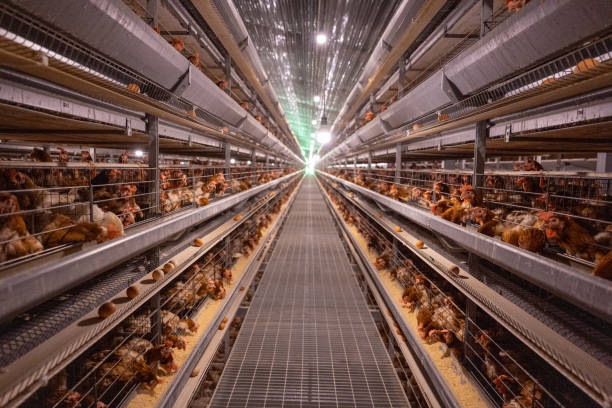
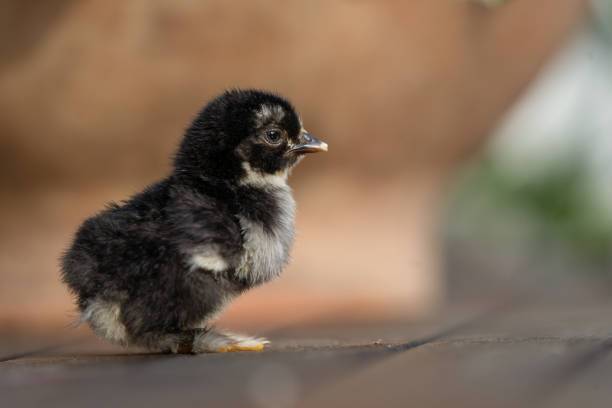
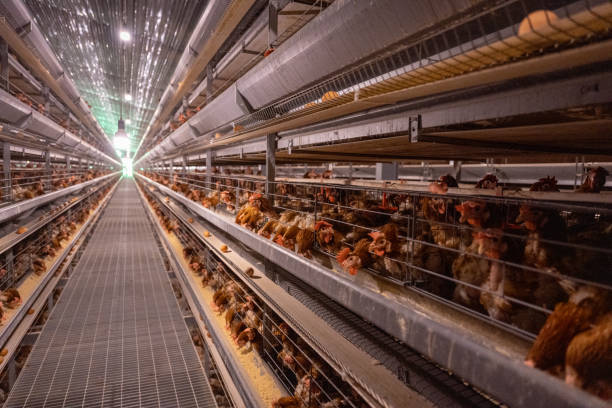
Are you a budding entrepreneur in Kenya looking to tap into a highly lucrative agricultural sector? Layer farming presents a golden opportunity, especially with the consistent demand for eggs in urban centers like Nairobi. This comprehensive guide is tailored for beginners aiming to start with 200 laying hens, breaking down the essential costs, timelines, and market insights to set you on a path to profitability.
Why Layer Farming in Kenya?
Kenya's growing population and increasing disposable income translate to a robust demand for protein sources, with eggs being a primary choice due to their affordability and nutritional value. The local market, particularly in Nairobi, offers attractive pricing, making layer farming a viable and rewarding venture.
Initial Investment: Breaking Down Costs for 200 Layers
Starting a layer farm requires careful financial planning. Here’s an estimated cost breakdown for establishing a flock of 200 layers in Kenya. Please note that these are estimates, and actual costs may vary based on location, suppliers, and market fluctuations.
1. Day-Old Chicks
The foundation of your flock. It's crucial to source high-quality, disease-free day-old chicks from reputable hatcheries. For layers, breeds like Lohmann Brown, Hy-Line, or Isa Brown are popular choices known for their high egg production.
Cost per chick: KSh 100 - KSh 150
Total for 200 chicks: KSh 20,000 - KSh 30,000
2. Feeds
Feed constitutes the largest ongoing expense in layer farming. A balanced diet is critical for optimal growth, health, and egg production. Layers typically consume different types of feed at various stages:
Chick Mash (0-8 weeks): High protein for rapid growth.
Grower Mash (9-19 weeks): Moderate protein for development.
Layer Mash (20 weeks onwards): Formulated for egg production, rich in calcium.
Estimated Feed Consumption (per bird):
Stage
Duration
Avg. Daily Consumption (grams)
Total Consumption (kg/bird)
Cost/kg (KSh)
Total Cost/bird (KSh)
Chick Mash
8 weeks
30-60
~2.5
50-65
125-162.5
Grower Mash
11 weeks
60-90
~5.5
45-60
247.5-330
Layer Mash
72 weeks+
110-120
~58 (per year)
40-55
2320-3190 (per year)
Total Feed Cost for 200 layers (first 20 weeks before laying): KSh 74,500 - KSh 98,500 (approx. KSh 372.5 - KSh 492.5 per bird for chick and grower stages).
Monthly Layer Mash Cost for 200 layers (once in production): KSh 26,400 - KSh 33,000 (assuming 110g/bird/day at KSh 40-50/kg).
3. Housing
Proper housing protects your birds from predators, harsh weather, and facilitates good management. For 200 layers, a deep litter system is often recommended for beginners due to its affordability and ease of management. The house should be well-ventilated, secure, and provide ample space (at least 2 sq ft per bird).
Materials (timber, wire mesh, roofing sheets, cement for floor): KSh 80,000 - KSh 150,000 (depending on materials and labor costs).
Waterers and Feeders: KSh 10,000 - KSh 20,000
Nesting Boxes: KSh 5,000 - KSh 10,000 (provides a comfortable and clean place for hens to lay eggs).
Perches/Roosts: KSh 2,000 - KSh 5,000
Total Estimated Housing Costs: KSh 97,000 - KSh 185,000
4. Vaccinations and Medications
A robust vaccination program is essential to prevent common poultry diseases. Consult with a local veterinarian to develop a suitable schedule for your flock.
Layer hens typically begin laying eggs around 18-22 weeks of age. Production gradually increases and reaches its peak between 28-32 weeks, where they can achieve an egg-laying rate of 90-95% or even higher. This peak production can be maintained for several months, gradually declining after 72-80 weeks.
First Eggs: 18-22 weeks
Peak Production: 28-32 weeks (90-95% laying rate)
Production Cycle: Up to 72-80 weeks before considering culling or molting.
Nairobi Market Pricing: A Glimpse into Profitability
Understanding the market is key to maximizing your returns. In Nairobi, egg prices can fluctuate based on supply, demand, and season. However, a good average price for a single egg can be KSh 15 - KSh 20, especially when selling directly to consumers or small retailers.
Consider a scenario where your 200 layers are in peak production, achieving an 85% laying rate:
Monthly Revenue: KSh 3,400 * 30 days = KSh 102,000
From this, you would subtract your monthly operational costs, primarily feed (around KSh 26,400 - KSh 33,000 per month for 200 birds), and other recurring expenses like electricity, labor (if any), and occasional medication. This demonstrates the significant potential for profit in layer farming.
Key Success Factors for Beginners
Quality Stock: Invest in healthy, vaccinated day-old chicks from reliable sources.
Proper Nutrition: Provide high-quality, balanced feed at every stage of growth.
Biosecurity: Implement strict biosecurity measures to prevent disease outbreaks.
Good Management: Ensure proper ventilation, clean water, adequate space, and regular cleaning of the housing.
Market Research: Understand your target market and establish reliable sales channels.
Record Keeping: Maintain detailed records of expenses, egg production, and sales to track profitability and identify areas for improvement.
Conclusion
Profitable layer farming for beginners in Kenya, especially with a manageable flock size of 200 birds, is an achievable goal. While initial investment and ongoing costs for chicks, feed, and housing require careful planning, the strong market demand and favorable egg prices in Nairobi offer a compelling return on investment. By focusing on quality inputs, sound management practices, and astute market engagement, you can build a successful and sustainable poultry enterprise.
Are you ready to turn your agricultural aspirations into a thriving reality? Start your layer farming journey today!
Poultry Market Kenya is a dedicated poultry farming and agribusiness blog focused on empowering farmers, traders, and agri-entrepreneurs across Kenya. We publish practical, data-driven content covering poultry production, disease management, feeding strategies, housing, equipment reviews, and market insights.
Our goal is to bridge the gap between traditional poultry farming practices and modern, profitable methods by providing reliable information, expert guidance, and real-world case studies.