Boosting Poultry Productivity in Kenya: A Professional Guide to Maximising Egg and Meat Output
Introduction
Kenya has an estimated poultry population of over 31 million birds, with indigenous chickens making up 75–78% of the total[reference:0][reference:1]. However, domestic poultry production only meets around 60% of the country's demand for chicken meat and 50% for eggs, presenting a major opportunity for farmers who can optimise their operations[reference:2]. This guide outlines professional strategies to increase both egg and meat productivity, helping you turn poultry keeping into a thriving, profitable agribusiness.
Poultry farming is one of the most accessible livestock enterprises for smallholder farmers, youth, and women in Kenya[reference:3]. By implementing the strategies below—from breed selection and feeding to housing and vaccination—you can significantly improve your flock's output and income.
1. Choose the Right Breed for Your Goal
The foundation of productivity starts with genetics. Your choice of breed should align with your primary objective: egg production, meat production, or a combination of both.
For Maximum Egg Production (Layers)
Commercial Hybrid Layers: Breeds like Bovans Brown, Lohmann Brown, or Hy-Line are highly specialised for egg production.
KALRO Improved Kienyeji (KC1, KC2, KC3): Developed by the Kenya Agricultural and Livestock Research Organisation (KALRO), these birds are dual-purpose but excellent layers. They produce 200–250 eggs per year compared to the 80–100 eggs laid by unimproved local chickens[reference:4][reference:5]. The KC3 breed matures in just four months and consumes less feed than local birds[reference:6].
Sasso (SASSO T451): Distributed by Uzima Chicken, this breed starts laying at 5 months and produces up to 240 eggs annually—four times more than unimproved local breeds[reference:7]. They are robust and have low mortality rates.
Kenbro: A medium-sized dual-purpose bird that starts laying at 6 months and thrives in free-range systems[reference:8].
For Maximum Meat Production (Broilers & Dual-Purpose)
Commercial Broilers: Specialised meat birds like Cobb 500 or Ross 308 grow very quickly, reaching market weight (1.5–2.2 kg) in just 5–7 weeks[reference:9]. They have the lowest feed conversion ratio, making them the most efficient for meat production.
Sasso (SASSO T451): This breed reaches 2–2.5 kg in just 3 months, making it a leader in growth speed among Kienyeji breeds[reference:10].
Kuroiler: A disease-resistant dual-purpose breed that matures in 4.5 months and is highly resistant to Newcastle disease[reference:11]. It can be kept in free-range systems, reducing feed costs.
KALRO KC3 & Kenbro: These improved breeds reach slaughter weight (1.5–2 kg) in 4–5 months and produce high-quality meat that meets organic standards[reference:12][reference:13].
Tip: For smallholders with limited capital, dual-purpose breeds like Sasso or KALRO Kienyeji offer the best return, as you can sell both eggs and meat.
2. Implement Professional Nutrition & Feeding Strategies
Feed accounts for nearly 70% of the total cost of production in poultry farming in Kenya[reference:14]. Managing feed costs without compromising nutritional quality is key to profitability.
Nutrient Requirements: Layers vs. Broilers
Layers (Egg Producers): Require a diet high in calcium (3.5%) for strong eggshells and 16–18% crude protein to support consistent laying[reference:15][reference:16].
Broilers (Meat Birds): Need high-protein feed (20–24%) to support rapid muscle growth and weight gain[reference:17].
Common Mistake: Feeding layers and broilers the same type of feed. Layers won't get enough calcium, leading to poor eggshell quality, while broilers fed layer feed will grow slowly, increasing your feed costs[reference:18].
Cost-Saving Local Feed Formulations
Commercial feed is expensive, but you can significantly reduce costs by mixing your own feed using locally available ingredients.
Ration A & Ration B (For Layers)
A study in Embu and Tharaka Nithi counties showed that farmers who mixed and used Ration A and B achieved a 44–45% increase in egg production compared to those using commercial feeds alone[reference:19]. The raw materials for these rations are widely available across Kenya. For a professional formulation, aim for 16–21% crude protein, with ingredients such as maize germ, wheat pollard, fishmeal (or omena residue), sunflower seed cake, and limestone powder[reference:20].
Layer Feed Recipe (for 100 kg batch)[reference:21]:
Ingredient
Quantity
Whole maize meal
45 kg
Soya bean meal
19 kg
Fish meal (or omena residue)
13 kg
Maize bran
14 kg
Limestone powder
5.9 kg
Broiler Feed Recipe (for 230 kg batch)[reference:22]:
Ingredient
Quantity
Cracked corn
110 kg
Ground roasted soya beans
68 kg
Rolled oats
11 kg
Alfalfa meal
11 kg
Fish or bone meal
11 kg
Calcium powder
4.5 kg
Poultry Nutri-balancer
6.8 kg
Professional Tip: Always store homemade feed in a cool, dry place with a tight lid to prevent mould and pest contamination. Use a toxin binder if you suspect aflatoxins in your maize or other grains[reference:23].
Alternative Protein Sources to Reduce Costs
Black Soldier Fly (BSF) Larvae: Studies show that BSF larvae mixed with Desmodium can replace the protein component in conventional feed, significantly lowering costs[reference:24].
Omena (Silver Cyprinid) Residue: A Kisii farmer saves about KSh 9 per kilo on feed by mixing coarse maize flour with omena residue, reducing production costs and increasing profit margins[reference:25].
Sorghum & Prosopis Pods: Sorghum can substitute for maize in semi-arid areas, and hydrolysed Prosopis juliflora pods can replace up to 50% of maize in layer feed without harming productivity[reference:26].
Clean Water is Non-Negotiable: Dehydration can lead to poor growth in broilers and reduced egg production in layers. Always provide clean, fresh water[reference:27].
3. Optimise Housing & Environment
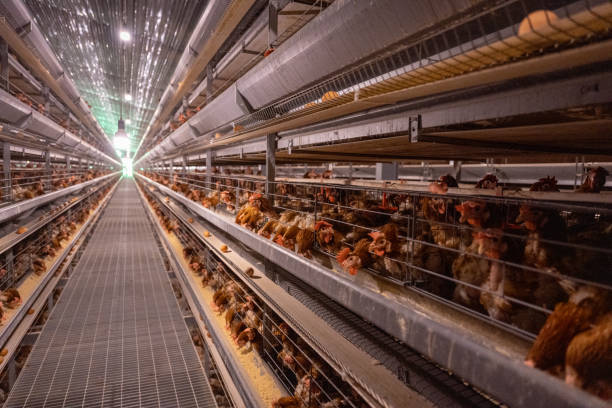
A well-designed poultry house is essential for bird health and productivity.
Essential Housing Features
Ventilation: Proper air movement reduces ammonia build-up, which can cause respiratory problems and reduced egg laying. Open-sided designs with adequate height (about 7 feet) are effective[reference:28].
Space Requirements: Avoid overcrowding, which is a leading cause of disease and stress. For broilers, allow 1 square foot per bird (or 12–14 birds per square metre)[reference:29].
Security: The house must be rat- and bird-proof to prevent disease transmission and feed loss[reference:30].
Litter Management: Use absorbent materials like wood shavings or rice husks. Turn the litter 1–2 times per week with a rake to keep it dry and reduce ammonia[reference:31].
Brooding (First 2–3 Weeks)
Chicks require supplemental heat during their first few weeks. Provide clean bedding, clean drinking water, and adequate lighting. Brooding expenses typically range from KSh 16–18 per bird[reference:32].
4. Prioritise Health & Vaccination
A healthy flock is a productive flock. Disease prevention is far more cost-effective than treatment, and vaccination is your first line of defence.
Professional Vaccination Schedule for Kenyan Poultry
Age
Vaccine
Method
Day-old
Marek's disease
Subcutaneous (at hatchery)[reference:33]
7 days
Newcastle disease
Eye drop or drinking water[reference:34]
14–18 days
Gumboro (Infectious Bursal Disease)
Drinking water[reference:35]
3 weeks
Gumboro booster
Drinking water
6 weeks
Fowl pox
Wing web jab[reference:36]
8 weeks
Fowl typhoid
Intramuscular injection[reference:37]
10–12 weeks
Newcastle booster
Drinking water or eye drop
18 weeks
Newcastle (pre-lay booster)
Drinking water or eye drop[reference:38]
Note: Adult birds should receive a Newcastle booster every 3–6 months. In areas with a known outbreak risk, vaccinate every 3 months[reference:39].
Biosecurity: Your Most Effective Tool
Biosecurity is the most effective protection against disease. Kenyan studies report that poor disease control and weak biosecurity account for up to 40% of smallholders' poultry deaths[reference:40]. Implement these measures:
Control movement of people and vehicles onto your farm[reference:41].
Install footbaths with disinfectant (e.g., Virkon S) at all entry points[reference:42].
Prevent wild birds from entering the poultry house[reference:43].
Quarantine all new birds for at least 2 weeks.
Disinfect equipment and clean houses between batches.
Regular Deworming and Gut Health
Internal parasites reduce feed conversion efficiency and egg production. Deworm your birds every month. Supplementing with probiotics (e.g., Molaplus) in drinking water has been shown to improve growth rates in indigenous chickens[reference:44].
5. Adopt Proven Management Practices
Small changes in day-to-day management can yield significant productivity gains.
For Layers:
Lighting: Hens need 14–16 hours of light per day to maintain peak production. Supplement natural light with artificial lighting if necessary.
Nest Boxes: Provide one nest box for every 4–5 hens to prevent egg eating and stress.
Grit & Oyster Shell: Always provide insoluble grit (for digestion) and soluble grit (calcium, e.g., oyster shell) in separate feeders.
Egg Collection: Collect eggs at least twice daily to prevent breakage and soiling.
For Broilers:
Feed Conversion Ratio (FCR): Aim for an FCR of 1.4–1.6 (1.4–1.6 kg of feed per 1 kg of live weight). A higher FCR indicates poor feed quality, feed wastage, or health problems[reference:45].
Finishing Weight: A healthy broiler should consume 3.5–3.8 kg of feed to reach slaughter weight[reference:46].
Market Timing: Start marketing broilers at 5–7 weeks, before the FCR starts to deteriorate.
Record Keeping
Keep detailed records of:
Daily feed and water consumption
Egg production (daily counts and any abnormalities)
Mortalities and causes
Vaccination and medication dates
Income and expenses
Records help you identify problems early, track profitability, and make informed management decisions. For egg storage, ensure structures include temperature control, proper ventilation, and grading trays[reference:47].
Expected Returns: A Kenyan Perspective
While prices vary by region and market, the following figures provide a realistic benchmark:
Item
Cost/Return (KSh)
Day-old improved Kienyeji chick
115[reference:48]
Feeding per month (per bird)
87–100[reference:49]
Vaccines & supplements (per month)
10[reference:50]
Annual egg sales (240 eggs @ KSh 20 each)
4,800 per bird per year[reference:51]
Meat sales (3–4 month bird, 2–3.5 kg)
1,200–1,800 per bird[reference:52]
For broilers, a simple house for 1,000 birds costs approximately KSh 125,000 to construct. Day-old broiler chicks cost about KSh 105 each, and a mortality rate below 4% is considered well-managed[reference:53].
6. Leverage Farmer Training & Support
Many organisations in Kenya offer free or low-cost training to help farmers improve productivity. For example:
Kenchic offers free monthly training on disease prevention, housing, feeding, and flock management[reference:54].
County Governments have distributed improved Kienyeji chicks and provided training. For instance, Siaya County distributed improved breeds that begin laying at 5–6 months with an annual output of 150–280 eggs[reference:55].
KALRO has trained over 700,000 farmers on basic disease control, management mechanisms, and best practices in poultry farming[reference:56].
Conclusion
Increasing egg and meat productivity in Kenya is achievable through a combination of:
Choosing the right breed (KALRO Kienyeji, Sasso, Kenbro, or commercial layers/broilers).
Feeding properly (using local formulations to reduce costs while meeting nutritional requirements).
With Kenya's domestic poultry production currently meeting only half of national egg demand and 60% of meat demand, farmers who adopt these professional strategies are well-positioned to capture a growing market, increase their incomes, and contribute to national food security. If you are unsure about any aspect of flock management, always consult a qualified veterinarian or a local agricultural extension officer.
Start with the right breed, feed them right, and protect them well—your flock will reward you with productivity and profit.Follow for More.
Poultry Market Kenya is a dedicated poultry farming and agribusiness blog focused on empowering farmers, traders, and agri-entrepreneurs across Kenya. We publish practical, data-driven content covering poultry production, disease management, feeding strategies, housing, equipment reviews, and market insights.
Our goal is to bridge the gap between traditional poultry farming practices and modern, profitable methods by providing reliable information, expert guidance, and real-world case studies.