In the complex world of poultry farming, amidst meticulously balanced feed formulations and advanced climate control systems, there exists a fundamental element whose importance is often underestimated: water. While feed provides the raw materials for growth, optimal poultry hydration is the silent powerhouse, the very engine that drives every biological process, directly influencing a bird's health, growth rates, and overall productivity. For poultry farmers striving for efficiency, feed manufacturers formulating diets, veterinary professionals safeguarding flocks, and students learning the nuances of animal science, mastering water management is not just beneficial—it is absolutely essential.
The Indispensable Role of Water in Poultry Physiology
Water is more than just a thirst quencher; it's a critical nutrient involved in nearly every metabolic function within a bird's body. Its multifaceted roles underscore why keeping birds hydrated is paramount:
Thermoregulation: Unlike mammals, poultry lack sweat glands. They primarily regulate body temperature through panting and evaporation from respiratory surfaces. Adequate water intake is vital for this process, preventing dangerous heat stress, especially in warm climates or during heat waves.
Nutrient Transport and Absorption: Water acts as the universal solvent, facilitating the digestion and absorption of nutrients from feed.
It transports essential vitamins, minerals, and amino acids to cells and tissues throughout the body, ensuring proper growth and function.
Waste Excretion: The kidneys rely on water to flush out metabolic waste products and toxins from the body, maintaining internal homeostasis and preventing the buildup of harmful substances that can compromise health.
Egg Formation: An egg is roughly 75% water. Insufficient hydration directly impacts egg size, shell quality (leading to more breakage), and the consistency of lay, significantly affecting a layer flock's productivity.
Tissue Development: For broilers, water is integral to muscle tissue development. Proper hydration ensures optimal cellular expansion and protein synthesis, directly influencing carcass weight and meat quality.
Feed Conversion Efficiency: Birds with consistent access to clean, fresh water exhibit superior feed conversion ratios. Hydration aids digestion and nutrient utilization, meaning birds get more out of their feed, translating to better growth with less input.
Immune System Function: Water supports the health of mucous membranes, which are a primary defense against pathogens. It also aids the lymphatic system, crucial for immune response, making hydrated birds more resilient to diseases.
Identifying the Silent Threat: Signs of Dehydration
Early detection of dehydration can prevent severe health and production losses. Poultry farmers must be vigilant for these common indicators:
Reduced Feed Intake: One of the first signs, as birds will prioritize water over feed if dehydrated.
Lethargy and Weakness: Dehydrated birds appear listless, move slowly, and may huddle together.
Dark, Concentrated Droppings: A clear signal that the bird is conserving water internally.
Shrunken or Pale Combs and Wattles: These normally plump and vibrant tissues may appear shriveled.
Decreased Egg Production/Poor Egg Quality: A sudden drop
in egg numbers, smaller eggs, or thin/rough shells.
Excessive Panting: While also a sign of heat stress, dehydrated birds may pant more intensely in an attempt to cool down, further depleting water reserves.
Dry, Dull Feathers: Lack of internal hydration can manifest externally.
Increased Mortality: In severe cases, dehydration can quickly lead to death.
Key Factors Influencing Poultry Water Intake
A bird's daily water requirement is dynamic and influenced by a variety of factors:
Environmental Temperature and Humidity: Hot and humid conditions dramatically increase water consumption, sometimes by 2-4 times the normal rate.
Diet Composition: High-protein or high-fiber diets, or those with elevated salt levels, necessitate greater water intake for digestion and waste excretion.
Age and Physiological State: Young chicks, high-producing layers, and rapidly growing broilers have higher metabolic rates and thus greater water demands.
Health Status: Sick birds may drink less, or paradoxically, more if suffering from certain conditions.
Water Temperature: Birds consistently prefer cooler water (ideally 10-14°C or 50-57°F). Water that is too warm, especially in hot weather, can significantly reduce intake.
Strategic Water Management: Best Practices for Success
Effective poultry water management requires a multi-faceted approach focusing on quality, quantity, accessibility, and delivery systems.
1. Uncompromised Water Quality
The adage "if you wouldn't drink it, don't give it to your birds" holds true. Water quality directly impacts palatability, intake, and health. Regular testing (at least annually, or quarterly for well water) is crucial for:
Microbiological Contaminants: Pathogens like E. coli, Salmonella, and coliforms can cause severe digestive and systemic diseases.
Chemical Parameters: pH (ideal 6.0-8.0), hardness, mineral content (iron, manganese, nitrates, sulfates), and heavy metals can affect taste, equipment longevity, and bird health.
High mineral levels can also interfere with vaccine efficacy.
Physical Properties: Turbidity and sediment can harbor bacteria and clog drinker lines.
Consider water treatment options such as filtration, chlorination, UV sterilization, or acidification if tests reveal issues.
2. Adequate Quantity and Accessibility
A general guideline is that birds consume 2-3 times more water than feed by weight. Ensure:
Sufficient Drinker Space: Provide enough watering points to prevent competition, allowing at least 25% of the flock to drink simultaneously. Overcrowding at drinkers stresses birds and reduces overall intake.
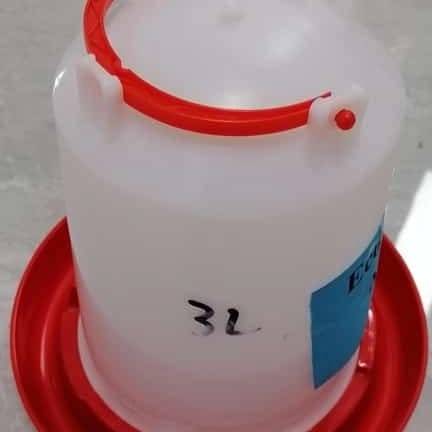
Appropriate Drinker Type: Nipple drinkers offer excellent hygiene but require precise pressure settings and initial chick training. Bell drinkers are robust but demand more frequent cleaning. Troughs are suitable for some systems but prone to contamination.
Correct Drinker Height: Adjust drinkers daily to the birds' eye level or slightly above, promoting comfortable access while minimizing spillage and litter wetting.
3. Optimized Water Temperature
Cool water significantly encourages consumption, especially in hot conditions. Insulate water lines, flush lines frequently during peak heat, or use cooling systems to keep water temperatures within the ideal range of 10-14°C (50-57°F).
4. Rigorous Cleanliness and Hygiene
Biofilm—a slimy matrix of bacteria, algae, and minerals—readily forms in water lines and drinkers, acting as a reservoir for pathogens and restricting water flow. Implement a stringent cleaning protocol:
Daily Cleaning: Manually clean bell drinkers and troughs daily.
Regular Line Flushing: Flush water lines at least weekly, or more frequently during hot weather, to remove stagnant water and sediment.
Chemical Sanitization: Between flocks, or periodically during production, use approved water line cleaners (e.g., hydrogen peroxide-based products, stabilized chlorine dioxide) to break down and eliminate biofilm.
5. Strategic Drinker Placement
Position drinkers in well-lit areas, easily accessible from both feeders and resting zones. Avoid direct sunlight which can warm the water, and prevent placement directly under feeders to minimize feed contamination in the water.
6. Continuous Water Consumption Monitoring
Installing water meters is a crucial management tool. Tracking daily water intake provides an early warning system. A sudden drop in consumption can indicate disease, water system malfunction, or environmental stress, often before clinical signs are visible. Likewise, a spike could signal problems like leaks.
Tailored Hydration Strategies for Different Production Stages
Chicks (Day Old to Brooding): Immediate access to fresh, clean, room-temperature water is critical. Dip chick beaks into water upon placement. Electrolytes can be beneficial during this initial stress period.
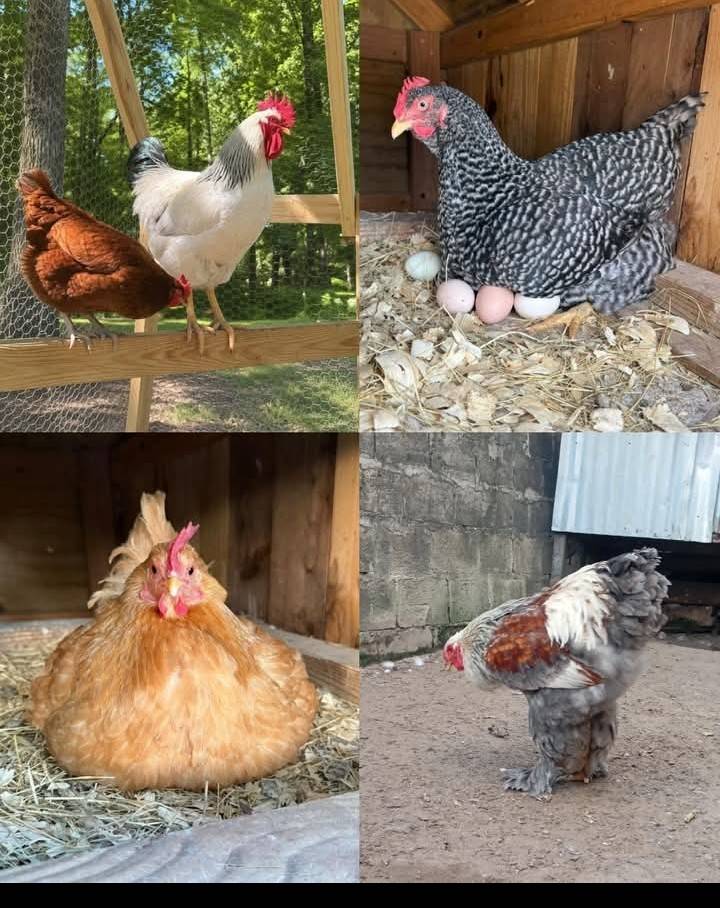
Laying Hens: Consistent, uninterrupted access to water is paramount. Even short periods of water deprivation can cause a significant and prolonged drop in egg production and quality. Maintain optimal calcium balance, which is linked to water intake.
Broilers: Due to their rapid growth, broilers have exceptionally high water demands. Effective hydration management is crucial for maximizing feed conversion, mitigating heat stress, and achieving target weights, particularly in the later grow-out stages.
Leveraging Water Additives for Enhanced Hydration and Health
Under specific circumstances, water-soluble additives can provide targeted support:
Electrolytes: Indispensable during periods of stress (heat, transport, vaccination, disease recovery). They replenish lost salts and minerals, aiding rehydration, maintaining osmotic balance, and supporting cellular function.
Water-Soluble Vitamins: Administered to boost immunity, combat stress, or address specific nutritional deficiencies, especially during recovery periods.
Probiotics and Prebiotics: Can be added to wate
r to support a healthy gut microbiome, particularly after antibiotic treatments or during periods of digestive upset.
Acidifiers: Help lower water pH, creating an unfavorable environment for pathogenic bacteria in the gut and enhancing protein digestion.
Troubleshooting Common Water System Issues
Low Water Pressure: Check filters, pressure regulators, and inspect lines for clogs or blockages.
Leaking Drinkers: Promptly repair or replace faulty nipples, cups, or seals to prevent wet litter, ammonia buildup, and water waste.
Biofilm Accumulation: Implement a rigorous chemical cleaning schedule and regular flushing.
Contamination: Investigate the source (well, municipal, storage tank) and apply appropriate purification or treatment methods.
Conclusion
Mastering poultry hydration is not a peripheral concern; it is a central pillar of profitable and sustainable poultry farming. By diligently focusing on water quality, ensuring ample and accessible supply, maintaining meticulous hygiene, and adapting management strategies to different bird types and environmental conditions, you empower your flock to achieve peak health, superior performance, and maximum productivity. A proactive approach to water management is one of the most cost-effective investments you can make in the success of your poultry operation.
Take Action Today: Evaluate your current water management practices. When was your water last tested? Are your drinkers clean, at the correct height, and providing sufficient flow? Small, consistent improvements in hydration can yield substantial returns in flock welfare and bottom-line profitability.