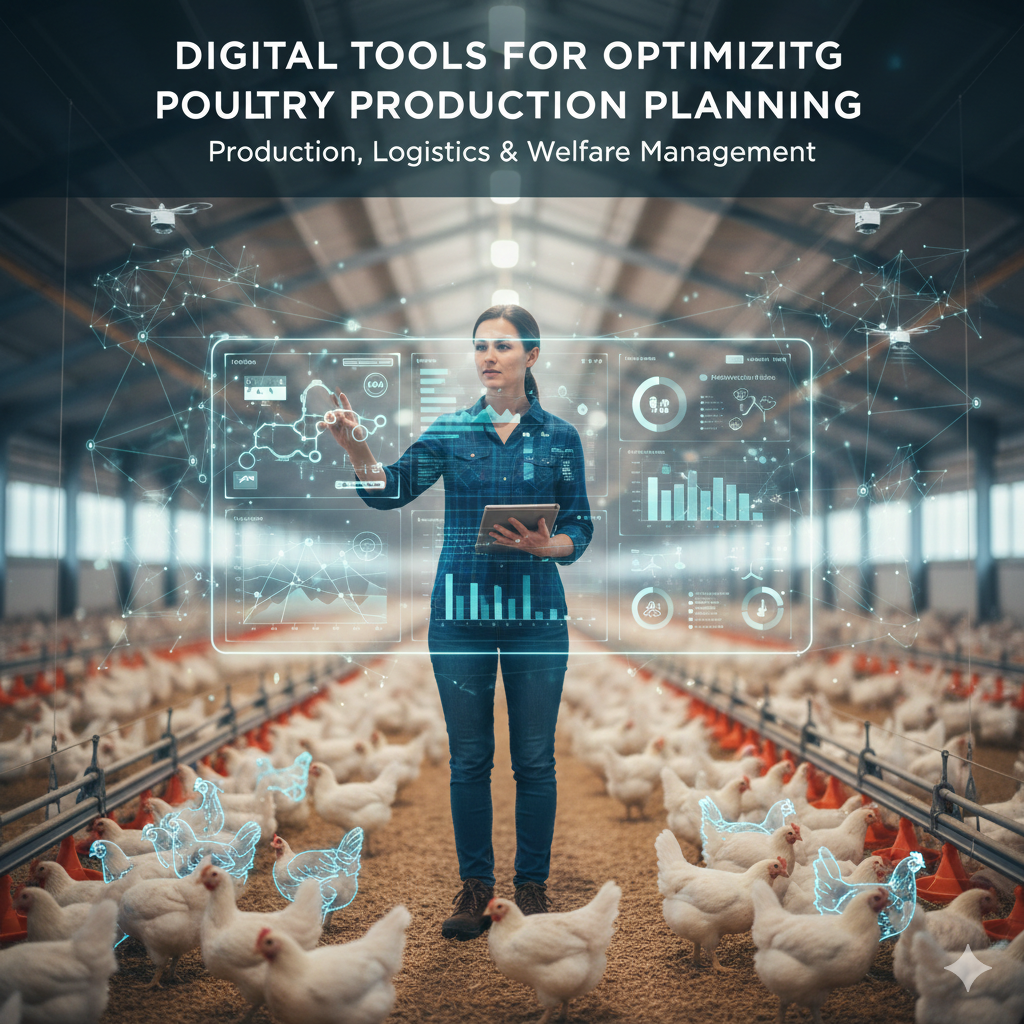
In the dynamic world of poultry farming, optimizing production is paramount for profitability and sustainability. Traditional methods, while foundational, are increasingly being complemented—and in some cases, transformed—by the power of digital tools and big data. From small family farms to large-scale integrated poultry companies, the adoption of digitalization offers unprecedented opportunities to refine planning, streamline logistics, and elevate welfare management to new heights. This comprehensive guide will explore how modern digital solutions are revolutionizing poultry production, empowering farmers, feed makers, veterinarians, and students alike with actionable insights.
The Dawn of Digitalization in Poultry Production
The poultry industry faces numerous challenges: fluctuating market demands, rising input costs, disease outbreaks, and the increasing scrutiny of animal welfare. To navigate this complex landscape, a shift towards data-driven decision-making is not just beneficial, but becoming essential. Digitalization provides the frameworks and tools to collect, analyze, and act upon vast amounts of information, moving poultry operations from reactive to proactive.
Big Data: The Cornerstone of Smart Poultry Farming
At the heart of every effective digital strategy is big data. In poultry, this encompasses a colossal stream of information, including:
Environmental Sensors: Temperature, humidity, ammonia, CO2 levels in poultry houses.
Feed and Water Consumption: Real-time monitoring of intake patterns.
Bird Performance Metrics: Weight gain, feed conversion ratio (FCR), mortality rates.
Health Records: Vaccination schedules, disease incidence, medication usage.
Analyzing this data with sophisticated algorithms allows for the identification of trends, anomalies, and correlations that would be impossible to detect manually. This forms the basis for predictive analytics and optimized planning.
Digital Tools for Optimized Production Planning
Optimizing production planning is about making the right decisions at the right time, minimizing waste, and maximizing output. Digital tools facilitate this across several critical areas:
1. Forecasting and Predictive Analytics
Demand Forecasting: Utilizing historical market data, seasonal trends, and economic indicators to predict future demand for poultry products, enabling precise flock sizing and timing.
Growth Rate Prediction: Based on genetic lines, feed formulations, and environmental conditions, digital models can accurately predict bird growth, allowing for optimized slaughter schedules and resource allocation.
Feed Conversion Optimization: Predictive models can fine-tune feed programs, suggesting adjustments to diet or feeding schedules to achieve optimal FCR, directly impacting profitability.
2. Real-time Monitoring and Control
Environmental Control Systems: Automated systems integrate sensor data to adjust ventilation, heating, and lighting, maintaining ideal conditions for bird health and growth without constant manual intervention.
Individual Bird Monitoring: Advanced imaging and IoT devices can track individual bird weight, activity, and even vocalizations, providing early
warnings of health issues or stress.
Automated Feeding and Watering: Precision feeders dispense feed based on bird age, weight, and consumption patterns, reducing waste and ensuring optimal nutrient delivery.
3. Automated Scheduling and Resource Allocation
Flock Scheduling: Software can plan optimal placement and rotation of flocks, considering house availability, market demand, and processing plant capacity.
Labor Management: Digital platforms can optimize staff schedules, assign tasks based on real-time needs, and monitor productivity.
Equipment Maintenance: Predictive maintenance schedules based on usage data prevent costly breakdowns, ensuring continuous operation.
Streamlining Logistics with Digital Solutions
Efficient logistics are crucial for minimizing costs and ensuring product quality from farm to market. Digital tools transform logistics management:
1. Supply Chain Optimization
Feed Ingredient Tracking: From origin to mill to farm, digital tracking ensures quality, compliance, and traceability, crucial for food safety.
Chick Placement & Delivery: Optimized routing and scheduling for chick transport minimize stress and mortality during transit.
Processor Integration: Seamless data flow between farms and processing plants ensures optimal timing for delivery, reducing holding times and improving meat quality.
2. Transportation Management
Fleet Tracking & Route Optimization: GPS-enabled systems provide real-time visibility of transport vehicles, optimize routes to reduce fuel consumption, and ensure timely deliveries of feed, birds, and products.
Temperature-Controlled Transport: Sensors within transport vehicles monitor conditions, ensuring welfare during bird transport and maintaining product freshness.
3. Inventory Control
Automated Inventory Systems: Real-time tracking of feed, medication, and other supplies prevents stockouts or overstocking, reducing waste and carrying costs.
Finished Product Management: Digital systems manage cold storage inventory, tracking product age and facilitating optimal distribution to minimize spoilage.
Enhancing Welfare Management Through Technology
Animal welfare is not only an ethical imperative but also a key factor in productivity and consumer perception. Digital tools offer unparalleled capabilities in this area:
1. Continuous Environmental Monitoring
Air Quality Sensors: Constantly monitor ammonia, CO2, and dust levels, triggering automated ventilation adjustments to maintain optimal air quality, preventing respiratory issues.
Thermal Comfort Zones: Advanced climate control systems ensure birds are always within their thermal comfort zone, reducing stress and energy expenditure.
2. Behavioral Analytics
Vision Systems: AI-powered cameras can analyze bird density, gait, activity levels, and grouping patterns, identifying subtle changes that may indicate stress, lameness, or the onset of disease before visible symptoms appear.
Sound Analysis: Microphones can detect unusual vocalizations indicative of distress or respiratory problems, prompting early intervention.
3. Automated Environmental Enrichment
While still evolving, digital systems are being explored to automate the provision of environmental enrichments, such as timed dispensing of pecking substrates or variations in lighting, further enhancing bird welfare.
The Broader Impact: Beyond Efficiency
The benefits of integrating digital tools extend far beyond operational efficiency:
Economic Impact: Reduced operational costs, improved FCR, lower mortality, and better product quality directly translate to higher profitability.
Sustainability: Optimized resource use (feed, water, energy) and reduced waste contribute to a more sustainable poultry production model.
Disease Prevention & Biosecurity: Early detection systems and precise data tracking bolster biosecurity protocols, helping to prevent and contain disease outbreaks more effectively.
Traceability & Transparency: Enhanced data collection allows for robust farm-to-fork traceability, meeting consumer demands for transparency and supporting food safety initiatives.
Conclusion: Embracing the Future of Poultry
The digital transformation of poultry production is no longer a distant vision but a present reality. By leveraging big data and a suite of advanced digital tools, poultry farmers, feed manufacturers, veterinary professionals, and students can unlock unprecedented levels of efficiency, productivity, and animal welfare. The future of poultry farming is intelligent, interconnected, and highly optimized. Embracing these innovations is not just about staying competitive; it's about leading the way to a more sustainable, ethical, and profitable industry.
Are you ready to transform your poultry operation with digital intelligence? Explore the solutions available today and start building your farm of tomorrow.
Poultry Market Kenya is a dedicated poultry farming and agribusiness blog focused on empowering farmers, traders, and agri-entrepreneurs across Kenya. We publish practical, data-driven content covering poultry production, disease management, feeding strategies, housing, equipment reviews, and market insights.
Our goal is to bridge the gap between traditional poultry farming practices and modern, profitable methods by providing reliable information, expert guidance, and real-world case studies.