Revolutionizing Poultry Farming: Biogas Energy & Organic Fertilizer from Manure in Kenya
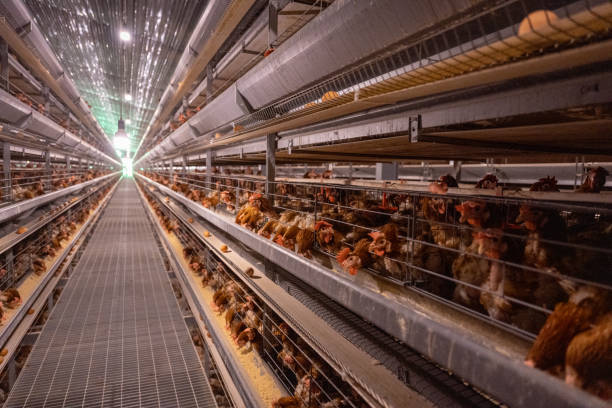
Poultry farming in Kenya, while a vital economic activity, faces a significant challenge: effective poultry manure management. Large-scale operations, such as a 500-layer farm, generate approximately 50 kg of manure daily, accumulating to a staggering 25 tons annually. This substantial waste poses environmental and health risks if not handled properly. However, this challenge presents a golden opportunity for circular farming Kenya – transforming poultry waste into valuable resources: biogas for energy and nutrient-rich organic fertilizer. This approach not only solves a waste problem but also creates new revenue streams and promotes sustainable agriculture.
The Poultry Waste Management Challenge
Untreated poultry manure contributes to greenhouse gas emissions, pollutes water sources through runoff, and can attract pests, leading to potential disease outbreaks. Traditional disposal methods often lack efficiency and can be costly, eroding profit margins for poultry farmers. Recognizing manure as a resource rather than merely waste is the first step towards a more profitable and environmentally responsible farming model. The sheer volume produced daily by a typical layer farm demands an innovative, sustainable solution that aligns with modern agricultural practices.
Biogas Technology: A Sustainable Solution
Biogas technology offers a powerful solution by converting organic waste, like poultry manure, into clean energy. The process, known as anaerobic digestion, involves microorganisms breaking down organic matter in the absence of oxygen. This biological process yields biogas, primarily composed of methane (60%) and carbon dioxide (40%), and a valuable by-product: digested slurry.
A typical biogas system for a poultry farm comprises several essential components:
Inlet/Mixing Tank: Where manure is mixed with water to achieve the optimal slurry consistency.
Digester: The airtight chamber where anaerobic digestion occurs. These can vary in design, such as fixed-dome or floating-drum models.
Gas Holder: Stores the produced biogas before it is used.
Outlet/Slurry Tank: Collects the digested slurry, which is then ready for use as organic fertilizer.
Gas Pipeline and Appliances: Connects the gas holder to cooking stoves, generators, or other gas-powered equipment.
Digester Design and Setup for Kenyan Farms
Choosing the right digester design is crucial. Fixed-dome digesters are popular for their robustness and lower maintenance, while floating-drum digesters offer easy gas pressure regulation. Local conditions, available space, and budget will influence the optimal choice. For a 500-layer farm, a digester system capable of processing 50 kg of manure daily is required. Local expertise in Kenya can assist in designing and installing a system tailored to specific farm needs, ensuring efficient poultry manure biogas production.
Daily Operations and Maintenance
Efficient operation of a biogas plant requires consistent daily input and routine maintenance. This includes feeding the digester with the daily manure slurry, checking for gas leaks, and ensuring proper temperature and pH levels (though many small-scale digesters are robust enough for ambient temperatures). Regular removal of digested slurry from the outlet is also essential to maintain digester capacity and performance.
Harnessing the Energy Output
The energy potential of poultry manure is substantial. From just 1 kg of manure, approximately 50-80 liters of biogas can be generated. For a 500-layer farm producing 50 kg of manure daily, this translates to enough biogas to provide cooking fuel for 2-3 hours or generate 1-1.5 kWh of electricity per day. This significantly reduces reliance on expensive fossil fuels or grid electricity, offering substantial savings and energy independence.
The Dual Benefit: Premium Organic Fertilizer
Beyond energy, the digested slurry is a powerful organic fertilizer. The anaerobic digestion process enhances the nutrient profile of the manure, particularly making nitrogen, phosphorus, and potassium (NPK) more readily available to plants. It also reduces pathogen levels and eliminates offensive odors associated with raw manure. This premium fertilizer improves soil structure, water retention, and microbial activity, leading to healthier crops and increased yields. The use of digestate as a biofertiliser is gaining recognition for its environmental and agricultural advantages. [https://www.sciencedirect.com/science/article/pii/S1002016018600578]
Cost-Benefit Analysis: A Profitable Investment
Investing in a biogas digester in Kenya typically ranges from KSh 80,000 to KSh 150,000. However, the economic benefits are compelling. Through energy savings alone, a poultry farmer can expect a payback period of just 2-3 months. When factoring in the reduced cost of chemical fertilizers, improved crop yields from organic fertilizer, and potential carbon credits, the return on investment becomes even more attractive, solidifying the case for Kenya poultry manure biogas fertilizer circular farming.
Environmental Impact and Circular Farming
The adoption of poultry manure biogas systems significantly contributes to environmental sustainability. It mitigates greenhouse gas emissions by capturing methane, reduces groundwater contamination, and minimizes foul odors. This embodies the principles of circular farming, where waste from one part of the agricultural system becomes a valuable input for another, creating a closed-loop system that is both ecologically sound and economically beneficial.
Integration with Crop Production
The digested slurry can be directly applied to crops as a high-quality organic fertilizer. This integration fosters a symbiotic relationship between poultry farming and crop production. Poultry farmers can grow feed crops using their own organic fertilizer, reducing input costs and enhancing food security. It's a perfect example of value-added agriculture, turning a waste product into multiple valuable outputs.
Conclusion
The transformation of poultry manure into biogas and organic fertilizer represents a significant leap forward for sustainable farming practices in Kenya. It offers a practical, profitable, and environmentally friendly solution to waste management challenges, turning a liability into a tangible asset. By embracing this circular farming Kenya model, poultry farmers can not only reduce operational costs and increase profitability but also contribute to a greener, more sustainable agricultural future. This is a clear pathway to unlocking the full potential of value-added agriculture within the poultry sector.
Poultry Market Kenya is a dedicated poultry farming and agribusiness blog focused on empowering farmers, traders, and agri-entrepreneurs across Kenya. We publish practical, data-driven content covering poultry production, disease management, feeding strategies, housing, equipment reviews, and market insights.
Our goal is to bridge the gap between traditional poultry farming practices and modern, profitable methods by providing reliable information, expert guidance, and real-world case studies.