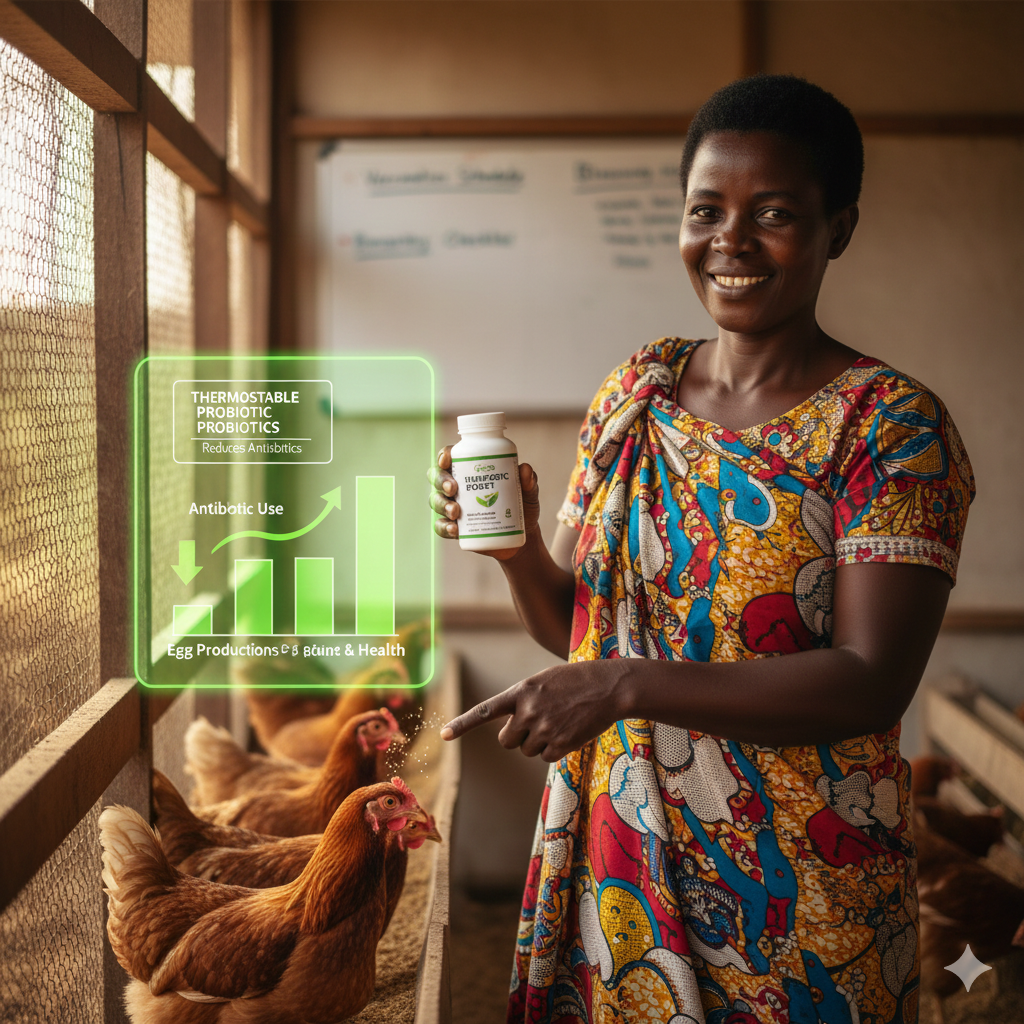
In the dynamic landscape of Kenyan agriculture, women are increasingly becoming the backbone of the poultry sector. Their dedication, resilience, and innovative spirit are transforming small-scale operations into thriving enterprises that significantly contribute to household incomes and national food security. However, this journey is often fraught with challenges, from limited access to capital to technological gaps. This blog post explores the pivotal role of grants, cutting-edge technology like solar brooders, and the invaluable support from youth hubs and NGO programs, drawing inspiration from platforms like the Future Food Livestock & Poultry Expo 2025, in empowering Kenyan women poultry farmers.
The Unsung Heroes: Women's Dominance in Kenyan Poultry
Women constitute a significant portion of the agricultural workforce in Kenya, particularly in the poultry sub-sector. Often managing daily farm operations, marketing, and household responsibilities, their contributions are immense. Yet, they frequently face systemic barriers, including lack of collateral for loans, limited access to training, and cultural norms that can restrict their full participation. Recognizing and addressing these challenges is crucial for unlocking the full potential of Kenya's poultry industry.
Unlocking Potential: Grants and Financial Lifelines
Access to capital is a major hurdle for many aspiring and existing women poultry farmers. Grants play a transformative role by providing much-needed funds without the burden of repayment or stringent collateral requirements. These financial lifelines enable women to:
Expand Operations: Purchase more chicks, improve housing, or acquire essential equipment.
Invest in Quality Feed: Ensure proper nutrition for their flock, leading to healthier birds and higher productivity.
Access Training: Fund participation in workshops and skill-building programs.
Mitigate Risks: Provide a safety net during initial stages or unexpected challenges.
Various organizations, both local and international, offer grants targeting women in agriculture. Examples include initiatives from governmental bodies like the Ministry of Agriculture, Livestock, Fisheries and Cooperatives, and development partners focused on gender equality and economic empowerment. Farmers should actively seek out these opportunities, often advertised through local administrative offices, agricultural extension services, and community-based organizations.
Technological Revolution: The Power of Innovation
Technology is a game-changer for enhancing efficiency, reducing labor, and improving productivity in poultry farming. For Kenyan women farmers, adopting modern solutions is key to sustainable growth. Among the most impactful innovations are:
Solar Brooders: A Sustainable Solution
Brooding is a critical phase for young chicks, requiring consistent warmth. Traditional brooding methods, often relying on kerosene lamps or charcoal, are costly, pose fire hazards, and contribute to indoor air pollution. Solar brooders offer a sustainable, cost-effective, and environmentally friendly alternative.
Reduced Operational Costs: Harnessing free solar energy drastically cuts down electricity or fuel expenses.
Reliable Heat Source: Provides consistent warmth, crucial for chick health and reducing mortality rates, especially in rural areas with unreliable power grids.
Environmental Benefits: Reduces carbon footprint and dependence on fossil fuels.
Improved Safety: Eliminates fire risks associated with traditional methods.
Many NGOs and social enterprises are now promoting and subsidizing solar brooder adoption among women farmers, recognizing their potential to revolutionize small to medium-scale poultry operations. These technologies, and many more, were likely topics of discussion and demonstration at events such as the Future Food Livestock & Poultry Expo 2025 in Nairobi, providing invaluable exposure to modern farming techniques.
Other Transformative Technologies
Beyond solar brooders, other technologies that can empower women poultry farmers include:
Automated Feeders and Waterers: Reduce manual labor and ensure consistent access to feed and water.
Improved Housing Designs: Ventilation systems, pest control, and biosecurity measures enhance flock health.
Mobile-Based Agricultural Apps: Provide real-time market prices, weather forecasts, and animal health advice.
Fostering Growth: Youth Hubs and NGO Programs
The ecosystem supporting women in poultry extends beyond grants and technology to crucial community-level initiatives:
Youth Hubs: Centers of Innovation and Mentorship
Youth hubs are emerging as vibrant centers for agricultural innovation, providing young women with essential resources, training, and mentorship. These hubs often offer:
Practical Training: Hands-on workshops on poultry management, disease prevention, and value addition.
Business Skills: Training in record-keeping, marketing, and financial management.
Networking Opportunities: Connecting aspiring farmers with experienced mentors and market linkages.
Access to Shared Resources: Incubators, processing equipment, or collective marketing channels.
By empowering young women through these hubs, Kenya is nurturing a new generation of skilled and technologically adept poultry entrepreneurs.
NGO Programs: Holistic Support Systems
Non-governmental organizations play a critical role in providing holistic support to women poultry farmers. Their programs often include:
Capacity Building: Training in best practices, health and nutrition, and entrepreneurship.
Input Provision: Facilitating access to quality chicks, feed, and vaccines.
Market Linkages: Connecting farmers to reliable buyers and fair markets.
Advocacy: Championing policies that support women in agriculture and ensure equitable access to resources.
Events like the Future Food Livestock & Poultry Expo 2025 serve as crucial meeting points, bringing together farmers, NGOs, technology providers, and policymakers to showcase advancements and forge partnerships that directly benefit women in the sector.
Conclusion: A Bright Future for Women in Kenyan Poultry
The journey of women in Kenyan poultry farming is one of immense potential and growing recognition. Through strategic grants, the adoption of innovative technologies like solar brooders, and the robust support systems offered by youth hubs and NGO programs, women are not just participating in the agricultural economy—they are leading its transformation. By continuing to invest in these areas and fostering an environment of continuous learning and collaboration, Kenya can ensure a prosperous and equitable future for its poultry sector, with women at its heart.
This collective effort is not only about empowering individual women but also about strengthening communities and building a more resilient and food-secure nation for generations to come.