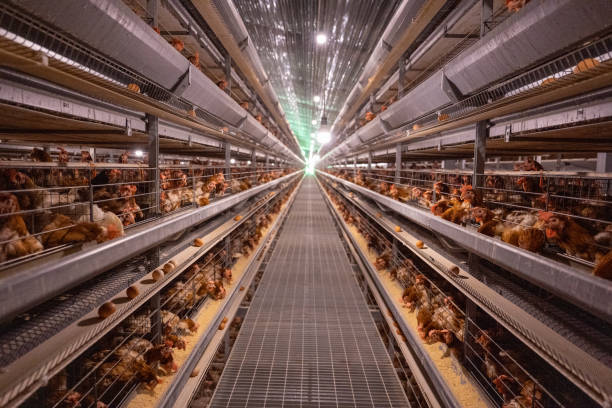
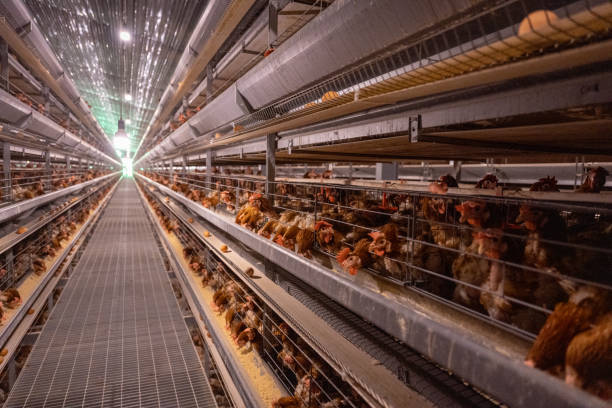
In the dynamic landscape of rural Kenya, a quiet revolution is taking hold, driven by innovative women agripreneurs leveraging technology to transform the poultry sector. These women-led poultry tech hubs are not just businesses; they are beacons of empowerment, economic growth, and sustainable development, showcasing how digital tools can bridge traditional divides and foster a thriving agricultural future.
The Digital Leap: Cloud Vets and Smart Farming Apps
The traditional challenges faced by rural poultry farmers – limited access to veterinary services, inadequate market information, and inefficient management practices – are being systematically addressed through technology. Women agripreneurs are at the forefront, integrating solutions such as cloud vets and specialized mobile applications into their operations. These platforms provide immediate access to expert veterinary advice, enabling early disease detection and treatment, significantly reducing mortality rates, and improving overall flock health.
Take, for instance, Agnes Wambui, a trailblazing poultry farmer in Kisumu County. Through a dedicated poultry management app, Agnes monitors her flock's health, feeding schedules, and egg production. When a concern arises, she consults a cloud vet directly through the app, receiving instant diagnoses and treatment recommendations. This real-time support has not only boosted her farm's productivity but also positioned her as a local expert, inspiring other youth agripreneurs to embrace similar technologies.
Incubators of Innovation: Nurturing Growth and Knowledge
Beyond individual farm applications, these tech hubs often serve as community incubators, offering shared resources and knowledge. These centers provide access to modern brooding equipment, high-quality feed, and even business development training. They are crucial for scaling operations, especially for women and youth agripreneurs who might lack initial capital or extensive technical know-how. The hubs foster a collaborative environment where farmers can share experiences, learn best practices, and collectively address market demands.
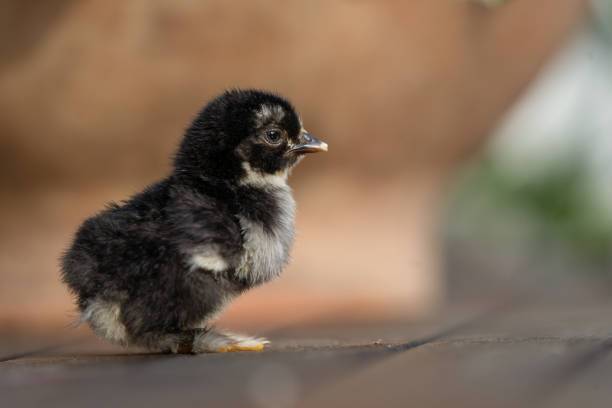
One such hub in Kakamega, founded by Mercy Cheptoo, specializes in providing high-quality day-old chicks hatched using advanced incubators. Mercy's hub also runs workshops on biosecurity and efficient poultry housing, equipping local women farmers with the skills needed to raise healthy and productive flocks. Her initiative is a testament to how practical training combined with accessible technology can rapidly elevate farming standards.
Government and NGO Support: Paving the Way for Scaling
The success of these women-led tech hubs is often bolstered by crucial government and NGO support programs. Recognizing the immense potential of technology in agricultural development, various initiatives are providing financial aid, training, and policy frameworks to facilitate growth. These programs are vital for enhancing the capacity of women agripreneurs and youth agripreneurs to adopt advanced tools and expand their market reach.
Organizations like the Kenya Agricultural and Livestock Research Organization (KALRO) and international NGOs are offering grants for technology adoption, facilitating access to market linkages, and providing mentorship. These partnerships enable hubs to acquire advanced incubators, implement digital record-keeping systems, and even develop proprietary apps tailored to local needs. This multi-stakeholder approach is creating a robust ecosystem where innovation can flourish, directly impacting livelihoods and food security in rural areas.
Impact and Future Outlook
The ripple effect of these women-led tech hubs is profound. They are not only increasing poultry productivity and profitability but also creating employment opportunities, empowering women financially, and enhancing food security at the household and community levels. By profiling these dedicated individuals and the technologies they employ, we highlight a sustainable model for agricultural development.
The future of poultry farming in rural Kenya looks bright, with technology and empowered women leading the charge. As more government/NGO support programs focus on these grassroots initiatives, the potential for scaling these successes across the nation is immense. Investing in these hubs means investing in a more resilient, equitable, and prosperous future for Kenyan agriculture.
Conclusion
Women-led poultry tech hubs in rural Kenya exemplify the power of combining traditional farming with modern innovation. Through the strategic use of cloud vets, advanced incubators, and intuitive apps, coupled with vital government/NGO support programs, these women agripreneurs and youth agripreneurs are setting new benchmarks for productivity and sustainability. Their stories are a powerful narrative of resilience, ingenuity, and the transformative potential of technology in empowering communities.
Poultry Market Kenya is a dedicated poultry farming and agribusiness blog focused on empowering farmers, traders, and agri-entrepreneurs across Kenya. We publish practical, data-driven content covering poultry production, disease management, feeding strategies, housing, equipment reviews, and market insights.
Our goal is to bridge the gap between traditional poultry farming practices and modern, profitable methods by providing reliable information, expert guidance, and real-world case studies.