In the vibrant landscape of rural Kenya, Kienyeji chicken farming is not just a tradition; it's a rapidly growing enterprise offering significant economic empowerment. This blog post delves into inspiring success stories, offering practical insights and strategies for both aspiring and established poultry farmers to thrive in this lucrative sector. We'll explore the journey of real farmers, crucial biosecurity measures, and effective marketing approaches like selling improved Kienyeji to hotels.
The Rise of Kienyeji: More Than Just a Bird
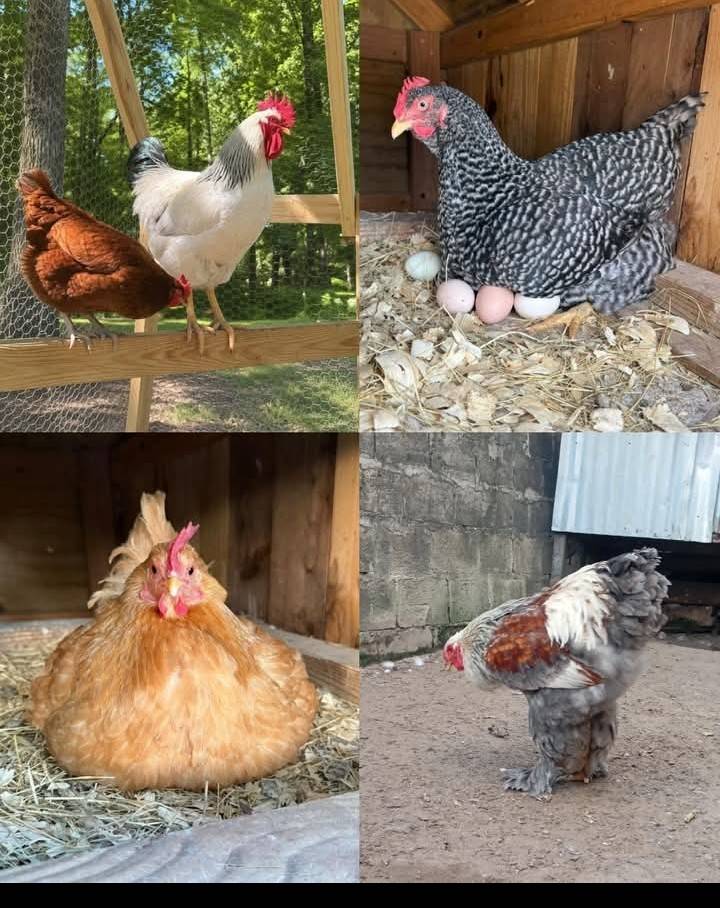
Kienyeji chickens, known for their hardiness, disease resistance, and flavorful meat and eggs, have become a cornerstone of rural livelihoods. Unlike their exotic counterparts, Kienyeji breeds are well-adapted to local conditions, requiring less intensive management and inputs. This makes them an ideal choice for small to medium-scale farmers looking to generate sustainable income.
Gladys' Model Farm: A Beacon of Success
Gladys, a farmer from Western Kenya, transformed her small backyard venture into a thriving Kienyeji enterprise. Starting with a handful of birds, she meticulously applied best practices in brooding, feeding, and disease prevention. Her success can be attributed to several key factors:
Improved Kienyeji Breeds: Gladys invested in improved Kienyeji strains that offer faster growth rates and higher egg production compared to indigenous varieties, while retaining the desired Kienyeji characteristics.
Structured Housing: She built well-ventilated coops, ensuring adequate space per bird, proper bedding, and protection from predators. This reduced stress and disease incidence within her flock.
Balanced Nutrition: Gladys understood the importance of a balanced diet. She supplemented her chickens' foraging with commercially available Kienyeji feeds, carefully formulated for different growth stages.
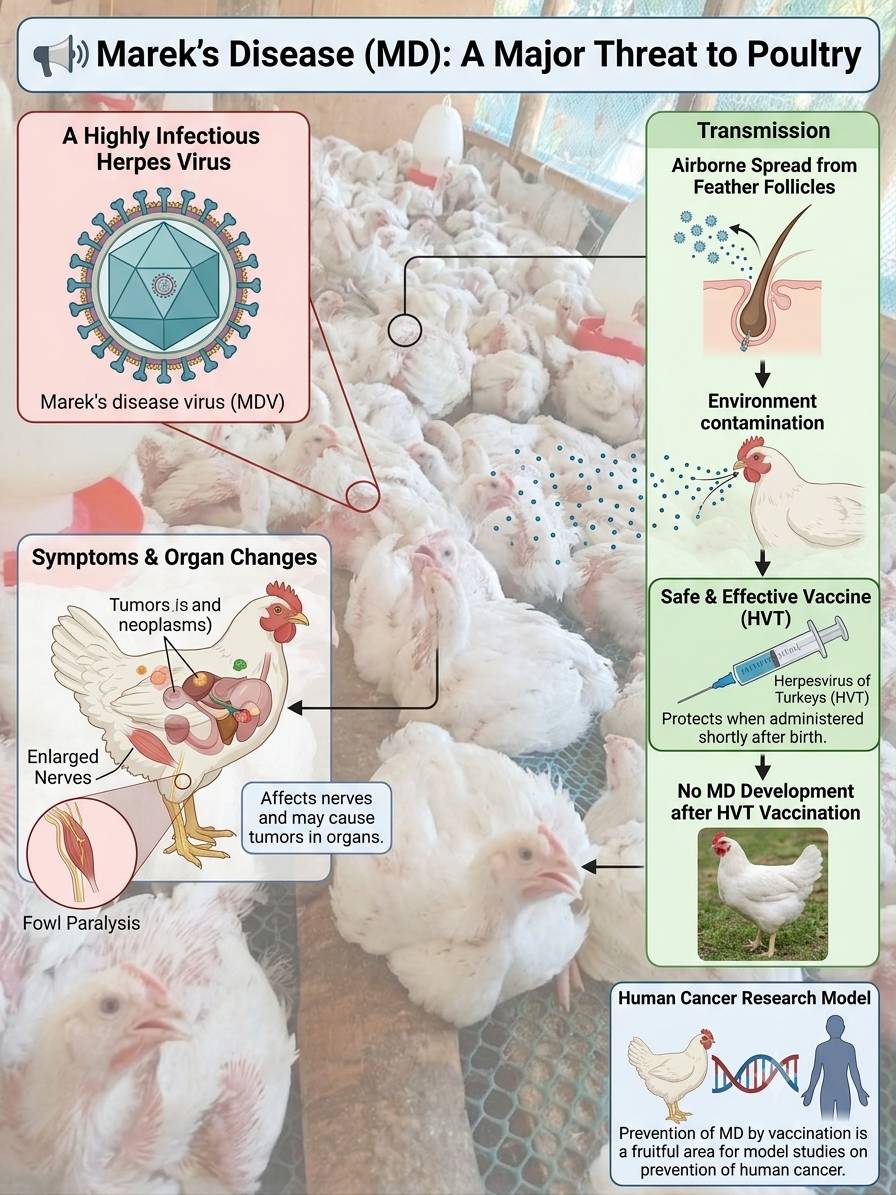
Vigilant Disease Management: Regular vaccination schedules and keen observation for signs of illness were paramount. Any sick bird was isolated immediately to prevent the spread of disease.
Record Keeping: Detailed records of feed consumption, egg production, growth rates, and expenses allowed Gladys to monitor her farm's performance and make informed decisions.
Gladys’s dedication and smart farming practices enabled her to consistently produce healthy, well-grown birds, establishing her farm as a model in her community.
Biosecurity: The Shield Against Disease
For any poultry operation, especially Kienyeji farming where birds often free-range, stringent biosecurity measures are non-negotiable. Biosecurity protects your flock from diseases that can wipe out an entire farm and shatter livelihoods. Here are essential biosecurity tips, crucial for both small-scale and commercial Kienyeji farmers:
Restrict Access: Control who enters your farm. Implement a 'no unauthorized entry' policy. Visitors should ideally wear protective gear or disinfect their footwear.
Farm Sanitation: Regularly clean and disinfect coops, feeders, and waterers. Use effective disinfectants and follow recommended dilution ratios.
Quarantine New Birds: Isolate any new birds for at least two to four weeks before introducing them to your main flock. Observe them for any signs of illness.
Pest Control: Implement measures to control rodents, wild birds, and insects, as they can carry and transmit diseases.
Proper Disposal of Carcasses: Immediately and safely dispose of dead birds, preferably through burning or deep burial, to prevent the spread of pathogens.
6. Foot Baths and Handwashing: Provide foot baths with disinfectants at the entrance of poultry houses. Encourage workers and visitors to wash their hands before and after handling birds.
7. Dedicated Equipment: Use separate equipment for different age groups or pens to avoid cross-contamination.
By diligently implementing these biosecurity protocols, farmers can significantly reduce the risk of disease outbreaks, ensuring healthier flocks and more predictable profits.
Cracking the Market: Selling Kienyeji at KSh 800/Bird to Hotels
The market for Kienyeji chicken is robust, driven by consumer preference for its organic taste and perceived health benefits. However, to maximize profits, especially aiming for a premium price like KSh 800 per bird, strategic marketing is key. Hotels and high-end restaurants are excellent targets due to their consistent demand for quality produce.
Here's how to penetrate this lucrative market:
Quality and Consistency: Hotels require a reliable supply of uniformly sized, healthy birds. Focus on producing chickens that meet these standards. Improved Kienyeji breeds are particularly suitable for this market segment due to their faster growth and better meat conformation.
Direct Marketing: Establish direct relationships with hotel chefs and procurement managers. Present them with samples of your birds and highlight the unique selling propositions of your Kienyeji chicken – free-range, organic feeding (if applicable), and superior taste.
Value Proposition: Emphasize the benefits of your Kienyeji. For example, the natural rearing process, the rich flavor profile, and the health aspects preferred by many diners.
Reliable Supply Chain: Ensure you can meet the hotel's demand consistently. This might involve staggering your batches of chicks to have a continuous supply of market-ready birds.
Pricing Strategy: While KSh 800 per bird is a premium, justify it with the quality, consistency, and unique attributes of your Kienyeji.
Be prepared to negotiate, but hold firm on your value.
Packaging and Presentation: Present your birds cleanly and professionally. While hotels will likely process them further, a good initial impression matters.
Gladys, for instance, successfully secured contracts with several local hotels by consistently delivering premium Kienyeji birds. Her reputation for quality and reliability allowed her to command higher prices, significantly boosting her income.
Conclusion: A Golden Opportunity in Rural Kenya
The success stories of Kienyeji chicken farmers like Gladys are a testament to the immense potential within rural Kenya's poultry sector. By adopting improved breeds, implementing robust biosecurity measures, and employing smart marketing strategies, farmers can not only ensure the health and productivity of their flocks but also unlock significant financial rewards. The journey from a few birds to a profitable enterprise is achievable with dedication, knowledge, and a commitment to quality. Embrace these strategies, and you too can write your own Kienyeji success story.