In the dynamic landscape of Kenyan poultry farming, the adoption of automated incubators has emerged as a pivotal strategy for enhancing efficiency, improving hatch rates, and facilitating significant scaling of operations. From small-scale farmers looking to grow their Kienyeji flocks to commercial hatcheries aiming for thousands of day-old chicks, modern incubation technology offers precision and consistency that traditional methods often lack. This comprehensive guide delves into the world of automated incubators, reviewing popular Kenyan models like Neochicks and Ecochicks, exploring optimal hatch rates for indigenous Kienyeji eggs, and outlining a clear path for scaling production from 100 to 1,000 chicks and beyond.
The Transformative Power of Automated Incubation
Automated incubators represent a significant leap forward for poultry farmers. They eliminate the variability inherent in natural incubation by providing precise control over critical environmental factors: temperature, humidity, and egg turning. This consistency is crucial for embryonic development, leading to stronger chicks and higher hatch percentages. For Kenyan farmers, this means a reliable supply of Kienyeji chicks, a highly sought-after breed known for its hardiness and demand in local markets.
Why Automation Matters for Kenyan Poultry:
Increased Efficiency: Reduced manual labor for egg turning and climate monitoring.
Disease Control: Controlled environments reduce exposure to pathogens compared to broody hens.
Scalability: Easier to increase capacity with additional units or larger machines.
Cost-Effectiveness: Over time, improved hatch rates and reduced labor translate to better profitability.
Leading the Charge: Neochicks and Ecochicks Incubator Models
Kenya boasts a vibrant market for poultry equipment, with local suppliers like Neochicks Poultry Limited and Ecochicks Poultry Limited offering a range of automated incubators tailored to various farming needs. These companies are instrumental in making advanced incubation technology accessible to farmers across the country.
Neochicks Incubators: Diverse Capacities and Features
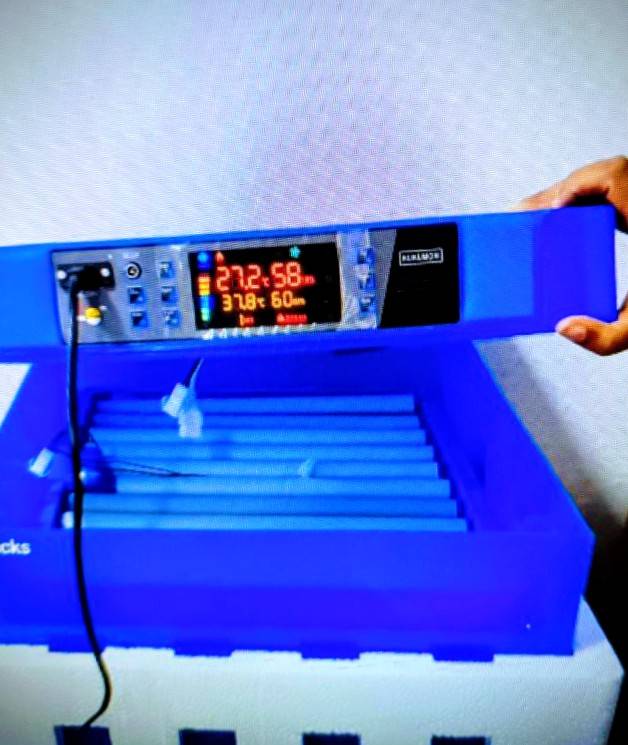
Neochicks offers a wide array of fully automatic incubators, ranging from smaller units for hobbyists and emerging farmers (e.g., 56-egg capacity) to large-scale commercial machines capable of incubating up to 20,000 eggs. Their models typically feature:
Full Automation: Automatic temperature and humidity control, and egg turning.
High Hatch Rates: Advertised for high efficiency.
Dual Power Options: Many models support both solar and electric power, a crucial advantage in areas with unreliable electricity supply.
Backup Generators: Available for some larger models, ensuring uninterrupted operation.
Customer experiences with Neochicks incubators have shown mixed results. While some farmers report good performance, others have raised concerns regarding the quality of chicks, instances of high mortality rates, and issues with customer service or faulty units. Prospective buyers are advised to conduct thorough research, seek recent testimonials, and potentially visit existing users before making a purchase.
Ecochicks Incubators: User-Friendly and Reliable
Ecochicks Poultry Limited also provides a comprehensive selection of automatic egg incubators, widely recognized for their user-friendliness and reliability. They cater to a broad spectrum of farmers, from small-scale operations to commercial enterprises. Key features often include:
Ease of Use: Designed to be intuitive, even for first-time users.
Quality Products: Generally receive positive feedback for product durability and performance.
Advanced Features: Newer models often incorporate enhanced functionalities, such as advanced steam humidity systems, precise temperature control, and efficient turning mechanisms.
Variety of Sizes: Examples include 208-egg, 1056-egg, and even larger capacities (e.g., 3168 eggs or 5000+ eggs), with prices for a 1000-egg incubator being approximately KSh 65,000.
Ecochicks incubators generally enjoy a good reputation among Kenyan poultry farmers for their consistent performance and support. They are often recommended for their ability to deliver successful hatches, with many users appreciating the balance of technology and practical application.
Optimizing Hatch Rates for Kienyeji Eggs
Kienyeji chickens are a cornerstone of Kenyan poultry farming, and achieving high hatch rates for their eggs is paramount. While automated incubators provide the ideal environment, the quality of the eggs themselves and proper pre-incubation handling are equally critical.
Key Factors for Kienyeji Egg Hatchability:
Egg Selection: Use only clean, fresh (ideally 1-7 days old), medium-sized eggs with strong, uncracked shells from healthy, well-fed breeder stock. Avoid abnormally shaped or very large/small eggs.
Storage: Store eggs at 13-18°C (55-65°F) with 70-80% humidity. Store them with the pointed end down to keep the air cell at the top.
Incubator Preparation: Ensure the incubator is thoroughly cleaned and disinfected before setting eggs. Calibrate temperature and humidity sensors for accuracy.
Temperature Consistency: Maintain a stable temperature of approximately 37.5°C (99.5°F) for chicken eggs.
Fluctuations, even minor ones, can significantly impact embryonic development.
5. Humidity Management: Start with 50-60% relative humidity for the first 18 days, increasing to 65-75% during the last three days (hatching period) to soften membranes and aid chick emergence.
6. Automatic Turning: Automated egg turning, typically 6-8 times a day, is vital to prevent the embryo from sticking to the shell membrane. Ensure the turning mechanism is functioning correctly.
7. Ventilation: Provide adequate fresh air exchange without causing drafts or significant temperature drops. Incubators usually have adjustable vents for this purpose.
8. Candling: Regularly candle eggs (e.g., on day 7 and day 14) to remove infertile eggs and those with dead embryos, preventing contamination and making space.
By diligently adhering to these practices, Kenyan farmers can expect to achieve hatch rates of 75-85% or even higher for fertile Kienyeji eggs in automated incubators, surpassing the often lower and inconsistent rates of natural brooding.
Scaling Your Hatchery: From 100 to 1,000 Chicks
Transitioning from a small-scale operation (100 chicks per batch) to a larger commercial hatchery (1,000 chicks or more) requires careful planning and strategic investment. Automated incubators are central to this expansion.
Strategic Steps for Scaling:
Capacity Assessment: Determine your desired output and choose incubators that match this capacity. Instead of multiple small units, consider larger cabinet incubators that offer better control and efficiency for bulk hatching.
For 100 chicks: A 100-200 egg incubator might suffice, running multiple batches.
For 1,000 chicks: You'll need incubators with capacities of 1,000+ eggs or several units of 200-500 eggs, allowing for staggered setting and continuous production.
Power Supply: Reliable and sufficient electricity, often with robust backup systems (solar, generators) to prevent losses during outages.
Water Supply: For humidity systems and cleaning.
Storage Facilities: For eggs (cool, humid conditions) and newly hatched chicks (brooding area).
Biosecurity Protocols: As numbers grow, so does the risk of disease. Implement stringent biosecurity measures:
Restricted Access: Limit entry to the hatchery.
Sanitation: Regular and thorough cleaning and disinfection of all equipment and premises.
Traffic Control: Segregate clean and dirty areas.
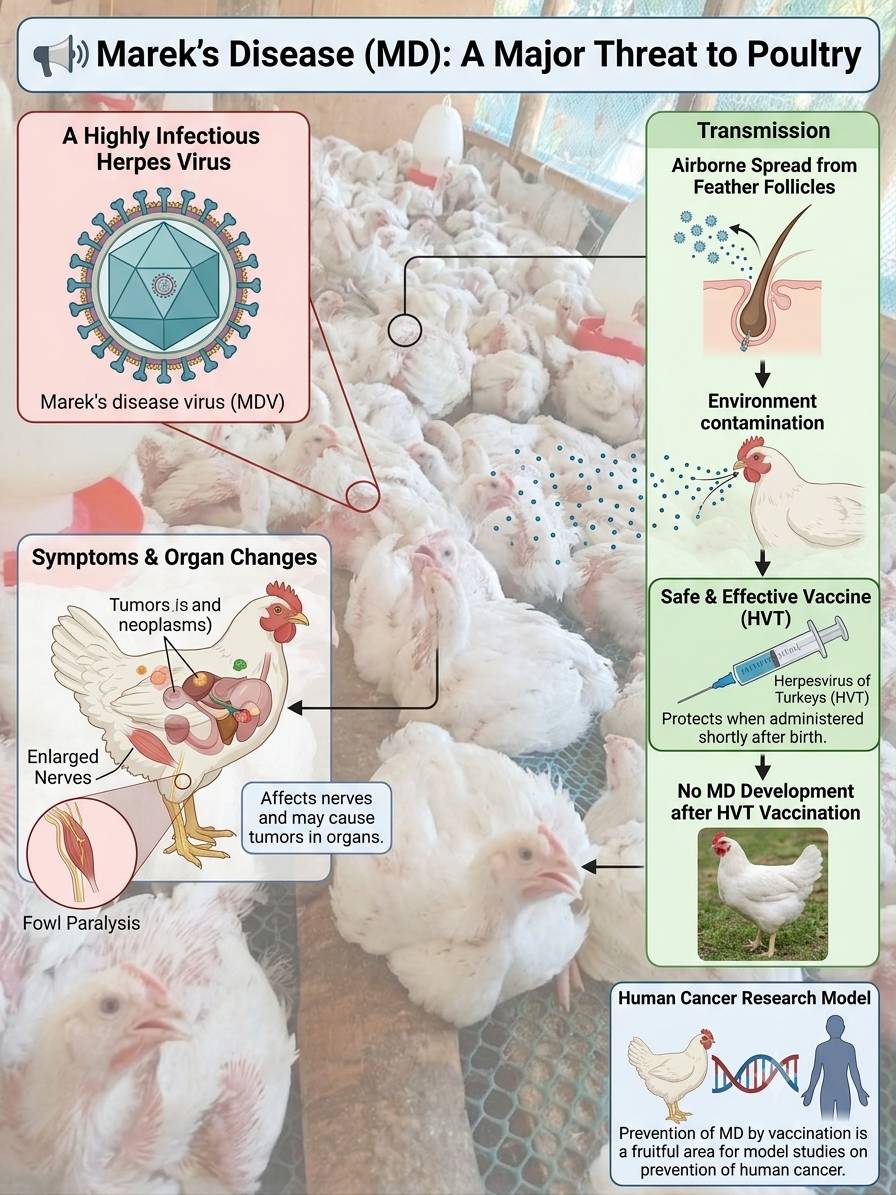
Vaccination Programs: Plan and execute vaccination schedules for breeder flocks and day-old chicks.
Management and Labor: Scaling up requires a more structured management approach and potentially additional trained staff.
Record Keeping: Meticulous records of egg source, setting dates, temperatures, humidity, and hatch outcomes are crucial for identifying areas of improvement.
Staff Training: Ensure personnel are well-trained in incubator operation, chick handling, and biosecurity.
Market Linkages: Before scaling, ensure a consistent market for your increased chick production. Establish relationships with farmers, feed makers, and other poultry businesses.
Conclusion: A Bright Future for Kenyan Hatcheries
Automated incubators are no longer a luxury but a necessity for competitive and sustainable poultry farming in Kenya. By leveraging the capabilities of models from providers like Neochicks and Ecochicks, optimizing conditions for Kienyeji eggs, and strategically planning for expansion, farmers, poultry companies, and veterinarians can contribute significantly to food security and economic growth. The journey from a few dozen chicks to a thriving hatchery of thousands is achievable with the right technology and a commitment to best practices.
Embrace automation, refine your incubation techniques, and watch your Kenyan hatchery flourish!