Precision Poultry Farming: Revolutionizing Operations with Smart Sensors and Automation
The landscape of modern agriculture is continually evolving, and the poultry industry is at the forefront of this transformation. Traditional farming methods, while effective, often rely on reactive responses to issues, leading to suboptimal conditions for bird health and productivity. Enter Precision Poultry Farming (PPF) – a paradigm shift driven by cutting-edge technology, ushering in an era of proactive, data-driven decision-making.
For poultry farmers, feed makers, poultry companies, veterinarians, and students alike, understanding and implementing PPF is no longer an option but a strategic imperative. This approach leverages the power of the Internet of Things (IoT), smart sensors, and automated systems to create highly controlled, efficient, and welfare-conscious poultry environments.
The Core of Precision Poultry Farming: IoT and Smart Sensors
At its heart, PPF is about gaining unprecedented visibility into the poultry house environment. This is achieved through a network of smart sensors that continuously collect real-time data on critical parameters. These sensors, often part of a wireless sensor network (WSN), eliminate the need for cumbersome wiring and offer flexible deployment across expansive facilities.
Key Environmental Factors Monitored by Smart Sensors:
Temperature and Humidity: These are fundamental for bird comfort and growth. Incorrect temperatures can lead to heat stress or cold stress, impacting feed conversion ratio (FCR), growth rates, and even increasing mortality. High humidity contributes to litter problems and respiratory issues, while low humidity can cause dehydration and dust. IoT sensors provide precise, zone-specific readings, allowing for dynamic adjustments.
Ammonia Levels (NH3): A byproduct of litter decomposition, ammonia can severely compromise bird respiratory health, causing conditions like conjunctivitis, tracheitis, and reduced immunity. Continuous ammonia sensors alert farmers to rising concentrations, enabling immediate ventilation adjustments before damage occurs.
Carbon Dioxide (CO2) and Oxygen (O2): Proper air exchange is vital. High CO2 levels indicate poor ventilation, leading to lethargy and reduced performance. Monitoring O2 ensures birds receive adequate oxygen for metabolic processes.
Litter Condition: While not always directly sensed, parameters like temperature and humidity often serve as proxies for litter quality. Advanced systems can incorporate moisture sensors or even thermal imaging to identify wet spots that harbor pathogens.
Feed and Water Consumption: Monitoring these vital inputs provides immediate insights into flock health and behavior. Any significant drop can indicate illness or equipment malfunction, prompting early intervention.
How Automation Transforms Poultry Operations
Data collected by wireless sensor networks is invaluable, but its true power is unleashed when integrated with automated systems. These systems interpret the data and make real-time adjustments without human intervention, ensuring optimal conditions around the clock.
Automated Ventilation Systems: Based on temperature, humidity, and gas levels (ammonia, CO2), intelligent fans and inlets automatically adjust to maintain ideal airflow and air quality. This prevents heat stress, reduces ammonia buildup, and conserves energy by ventilating only when necessary.
Automated Heating and Cooling: Smart thermostats and cooling pads respond directly to temperature sensors, ensuring birds are always in their thermoneutral zone, minimizing energy waste.
Automated Feeding and Watering: Sensor-driven systems ensure consistent access to fresh feed and water, reducing waste and ensuring uniform distribution. Some advanced systems can even detect changes in consumption patterns that might signal health issues.
Lighting Control: Automated lighting programs simulate natural day-night cycles or specific light patterns for growth, enhancing bird welfare and production.
Case Studies: Real-World Impact of Precision Poultry Farming
The adoption of IoT farming and poultry automation is yielding tangible benefits for progressive farms worldwide.
Case Study 1: Enhanced Climate Control for Broiler Production
A large-scale broiler operation in the Midwest implemented a comprehensive wireless sensor network across its 10 houses. Smart sensors for temperature, humidity, and CO2 were strategically placed. The data fed into an automated ventilation system that continuously optimized fan speed and inlet openings. Within six months, the farm reported:
A 5% improvement in FCR due to more stable environmental conditions.
A reduction in mortality by 1.5% primarily attributed to minimized heat stress.
Energy savings of 12% due to precise, on-demand ventilation rather than continuous operation.
Case Study 2: Ammonia Management in Layer Facilities
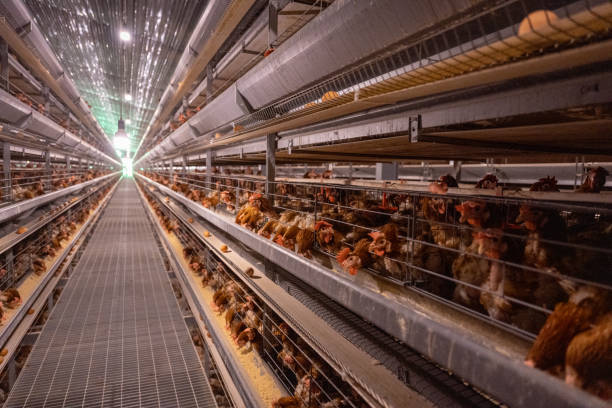
An egg-laying farm struggled with persistent high ammonia levels, leading to increased respiratory treatments and reduced egg production during peak seasons. They deployed ammonia sensors integrated into an automated environmental control system. This system triggered increased ventilation when ammonia exceeded safe thresholds, and also provided alerts for potential litter issues.
Ammonia-related respiratory issues dropped by 70%.
Egg production consistency improved by 3%.
Veterinary costs for respiratory treatments decreased significantly.
The system provided predictive insights, allowing staff to adjust litter management practices proactively.
These cases illustrate how precision poultry farming transitions farms from reactive problem-solving to proactive, preventative management, directly impacting bird health, welfare, and the bottom line.
Challenges and the Future Outlook
While the benefits are clear, adopting PPF comes with considerations. Initial investment in farm technology can be substantial, and technical expertise is required for setup and maintenance. However, the long-term returns on investment, coupled with improved animal welfare and sustainability, often outweigh these initial hurdles.
The future of precision poultry farming is bright, with ongoing innovations in:
Artificial Intelligence (AI) and Machine Learning (ML) for predictive analytics, disease detection, and optimized feeding strategies.
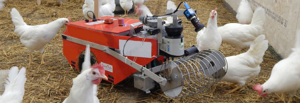
Robotics for tasks like litter stirring, egg collection, and even bird monitoring.
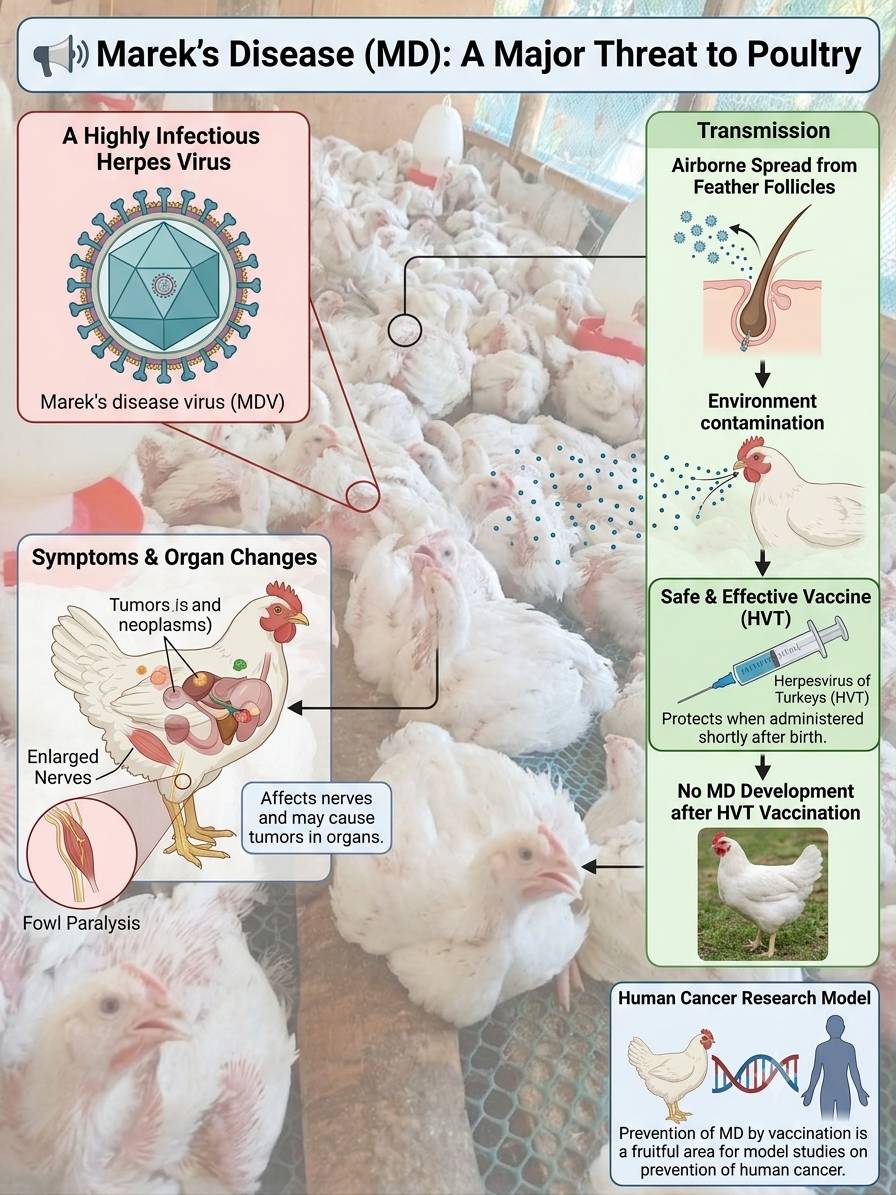
Advanced Biosecurity Solutions integrated with sensor data to prevent disease outbreaks.
Conclusion
Precision Poultry Farming with IoT sensors and automated systems represents the future of efficient and sustainable poultry production. By providing real-time data on critical conditions like temperature, humidity, and ammonia levels, and enabling automated responses, farmers can ensure optimal environments for their flocks. This data-driven approach not only enhances bird health and welfare but also significantly boosts operational efficiency and profitability.
Embrace the revolution in poultry automation and secure a more productive, sustainable, and humane future for your poultry enterprise. The time to invest in smart farming is now.