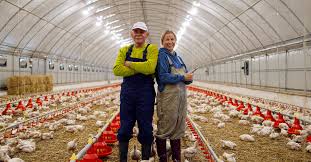
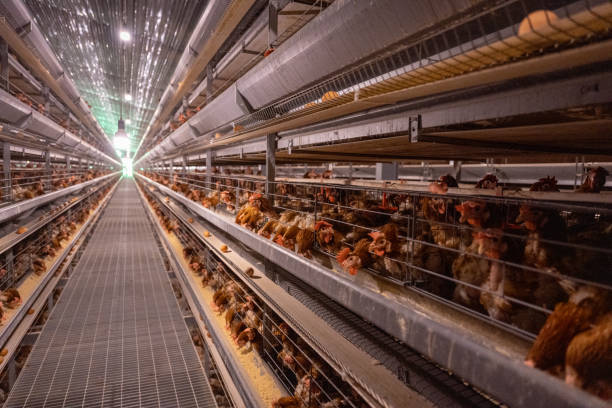
In the dynamic world of poultry farming, efficiency is paramount to profitability. For Kenyan poultry farmers, whether raising resilient Kienyeji breeds or high-producing exotic varieties, feed costs often represent the largest operational expense. Minimizing feed waste is therefore not just an advantage; it's a critical strategy for sustainable success. This blog post delves into the comparison between low-cost automated feeding systems and traditional manual methods, highlighting how automation can dramatically reduce waste and boost your farm's bottom line, even on a tight budget.
The Costly Reality of Manual Feeding
Manual feeding, while seemingly straightforward and low-cost upfront, often conceals significant hidden expenses, primarily through feed waste. Farmers distributing feed by hand or with basic scoops face several challenges:
Spillage: Feed often ends up on the floor, soiled and uneaten, due to careless handling, competitive pecking, or poorly designed feeders.
Contamination: Manual systems are more prone to feed contamination by droppings, litter, or external elements, rendering it unpalatable or unsafe for birds.
Uneven Distribution: Some birds may get more feed than others, leading to inconsistent growth rates and potential health issues.
Pest Infestation: Open feed troughs or bags are magnets for rodents, wild birds, and insects,
which not only consume feed but also spread diseases.
Labor Costs: While seemingly direct, the time and effort spent on manual feeding can be redirected to other critical farm management tasks.
For both Kienyeji and exotic breeds, every spilled or contaminated gram of feed translates directly into lost revenue. Kienyeji birds, often free-ranging or semi-intensive, can still benefit from controlled feeding to ensure they receive balanced nutrition, especially when supplementing their foraging. Exotic breeds, with their higher metabolic rates and specific dietary needs, are even more susceptible to the negative impacts of feed inconsistency and waste.
Embracing Low-Cost Automated Feeding Systems
Automated feeding systems might sound like a luxury reserved for large-scale operations, but modern innovations have made low-cost, effective solutions accessible to Kenyan farmers. These systems are designed to deliver precise amounts of feed at scheduled times, significantly mitigating the issues associated with manual feeding.
Types of Low-Cost Automated Feeders:
Gravity-Fed Feeders with Timers: These simple systems use gravity to dispense feed from a hopper into a trough. Adding a basic electronic timer allows for scheduled drops, controlling consumption and reducing the time feed sits exposed.
Bucket-and-Tube Systems: Modified plastic buckets connected to PVC pipes can create a simple, enclosed feeding system. When a timer opens a release mechanism, feed flows into multiple feeding stations. This protects feed from pests and spillage.
Auger-Based DIY Systems: For those with a bit more technical know-how, small augers (screw conveyors) powered by low-voltage motors (e.g., from old washing machines) can move feed from a central bin to distributed troughs. These can be remarkably efficient and cost-effective when built from readily available materials.
Automatic Hanging Feeders: These typically consist of a large feed reservoir that slowly releases feed into a pan as birds consume it. While not fully "automated" in the timer sense, their design drastically reduces spillage and prevents birds from scratching feed out.
Advantages for Kenyan Farmers:
Reduced Feed Waste: This is the primary benefit. By dispensing measured amounts at specific times, birds consume what is given, minimizing spillage and contamination.
Improved Feed Conversion Ratio (FCR): Consistent, timely access to fresh feed encourages better consumption and nutrient absorption, leading to faster growth in broilers and better egg production in layers.
Enhanced Hygiene: Enclosed systems protect feed from pests, dust, and droppings, promoting healthier birds and reducing disease outbreaks.
Labor Savings: Farmers save significant time and effort, freeing them up for other crucial tasks like health monitoring, record-keeping, or marketing.
Better Flock Uniformity: All birds receive equal access to feed, promoting more uniform growth and development across the flock.
Adaptability for Kienyeji and Exotic Breeds: While exotic breeds with their higher feed demands benefit immensely from precise feeding, Kienyeji farmers can also use these systems to supplement foraging effectively, especially during periods of low natural feed availability or for specific growth stages.
Practical Considerations for Implementation in Kenya
Before investing in or constructing an automated feeding system, consider these factors:
Budget: Start small. Even a basic timer-operated gravity feeder can make a significant difference. Gradually upgrade as your farm grows and finances allow.
Local Resources: Can you source materials locally (PVC pipes, plastic barrels, timers, small motors)? Local fabrication can drastically cut costs.
Power Reliability: Most automated systems require electricity for timers or motors. Consider solar charging systems or battery backups if grid power is unreliable.
Maintenance: Choose systems that are easy to clean and maintain. Rust-resistant materials are crucial in humid environments.
Scalability: Plan for systems that can be expanded as your flock size increases.
Training: Ensure you and your farmhands understand how to operate and troubleshoot the system effectively.
Conclusion
Investing in automated feeding systems, even low-cost versions, is a forward-thinking decision for Kenyan poultry farmers. The initial outlay is quickly recouped through substantial reductions in feed waste, improved bird health, and increased productivity. By embracing these modern solutions, farmers raising both Kienyeji and exotic breeds can transform their operations, ensuring a healthier flock and a more profitable future. The journey towards optimized poultry farming begins with smart feed management – and automation offers a clear path to achieving it.
Join the movement towards smarter poultry farming and watch your profits grow!
Poultry Market Kenya is a dedicated poultry farming and agribusiness blog focused on empowering farmers, traders, and agri-entrepreneurs across Kenya. We publish practical, data-driven content covering poultry production, disease management, feeding strategies, housing, equipment reviews, and market insights.
Our goal is to bridge the gap between traditional poultry farming practices and modern, profitable methods by providing reliable information, expert guidance, and real-world case studies.