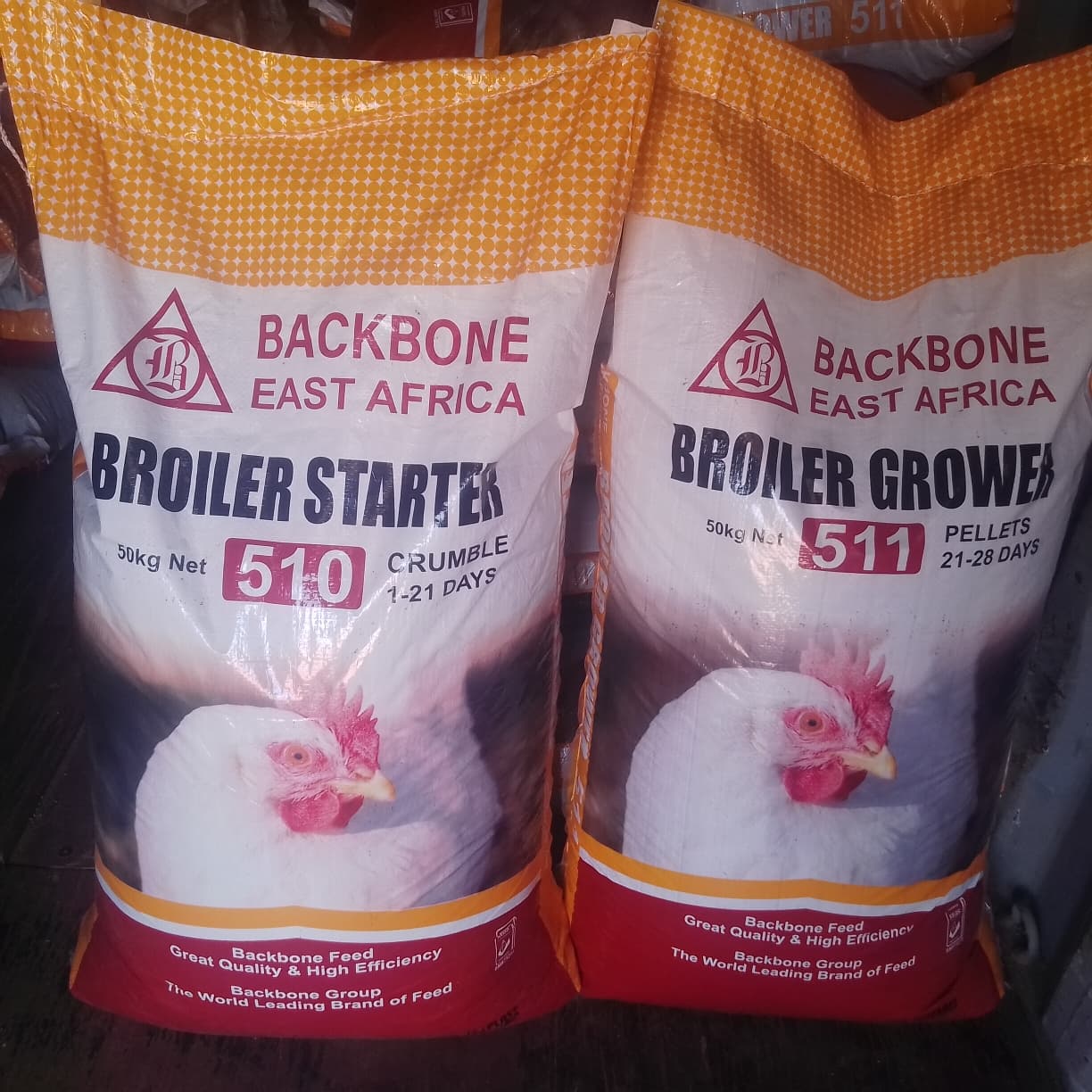
The Kenyan poultry sector is facing an unprecedented challenge: a staggering 37% inflation in feed costs. What was once KSh 50/kg for poultry feed has jumped to an alarming KSh 68.5/kg in 2025. This dramatic increase is stifling growth, eroding profits, and pushing many farmers to the brink. Addressing the Kenya poultry feed cost crisis solutions is not just an option; it's a matter of survival for countless livelihoods.
Crisis Overview: Understanding the Soaring Costs
The 37% hike in poultry feed prices is a multifaceted issue driven by global commodity price volatility, local supply chain disruptions, adverse weather patterns affecting maize and soy production, and increased import duties. These factors collectively burden poultry farmers, making it incredibly difficult to maintain profitability and competitiveness in the market.
Cost Impact Analysis: Beyond the Price Tag
The ripple effect of this inflation is profound. Farmers are experiencing reduced profit margins, difficulty in expanding operations, and in many cases, forced culling or downsizing of flocks. The higher cost of production inevitably leads to increased consumer prices for eggs and poultry meat, potentially reducing demand and creating a vicious cycle for the entire value chain. Sustainable solutions are urgently needed to mitigate these financial pressures and ensure the industry's resilience.
Alternative Feed Sources: Innovative Solutions
Diversifying feed sources is a critical strategy. Several cost-effective and nutritious alternatives can significantly reduce reliance on expensive conventional feeds:
Hydroponics (Green Fodder): Cultivating green fodder like barley or oats using hydroponic systems can cut maize dependency by up to 30%. This method provides fresh, nutrient-rich feed, improves digestion, and reduces overall feed costs. Learn more about DIY Hydroponics Setup.
Black Soldier Fly (BSF) Larvae: BSF larvae are an excellent protein source, offering up to 20% crude protein. They are cheaper to produce than fishmeal or soy and can be cultivated on organic waste, providing a sustainable and high-quality protein boost for poultry. For detailed instructions, refer to the BSF Larvae Production Guide.
Duckweed Cultivation: This fast-growing aquatic plant is a rich source of protein and essential amino acids. Duckweed can be cultivated in minimal space with water, offering a highly sustainable and cost-effective supplemental feed.
Insect Farming (Crickets, Grasshoppers): Reviving traditional Kenyan practices, farming crickets and grasshoppers provides a high-protein, natural feed source. These insects are easy to rear and offer excellent nutritional value, mimicking a chicken's natural diet.
DIY Feed Making: Harnessing Local Resources
Taking control of feed formulation by utilizing locally available ingredients can significantly reduce costs and improve freshness.
Local Grain Mixing: Farmers can formulate their feeds by mixing locally available cereals such as sorghum, millet, and broken rice, often at a lower cost than imported maize. Proper formulation ensures the nutritional balance is met for different stages of poultry growth.
Kitchen Waste Management: Safely processed kitchen waste, including vegetable scraps, fruit peels, and even cooked bone meal (sterilized), can supplement poultry diets. This not only reduces feed costs but also contributes to waste reduction.
Supplementation Strategies: Maximizing Nutritional Value
Strategic supplementation ensures birds receive essential nutrients without over-relying on high-cost basal feeds. Focus on targeted vitamins, minerals, and amino acids that might be deficient in alternative diets. Utilizing feed additives that improve nutrient absorption can also make existing feed more efficient, thereby reducing the total quantity required.
Technology Solutions & Cooperative Advantages
Embracing technology and collaboration can further streamline operations and reduce costs.
Cooperative Bulk Buying: Farmers pooling resources to purchase raw materials or formulated feed in bulk can negotiate significantly better wholesale rates. This collective bargaining power can lead to substantial savings per unit. Explore the Cooperative Advantages for your farm.
Precision Feeding Systems: While an initial investment, automated feeders and precision systems minimize waste and ensure optimal feed delivery, preventing overfeeding and spillage.
Case Studies: Real-World Success
Consider Jane, a small-scale farmer from Nakuru. Faced with rising costs, she integrated hydroponic green fodder and started cultivating BSF larvae. Within six months, her reliance on commercial feed dropped by 25%, leading to a 15% increase in her net profit despite the prevailing inflation. Her success highlights the tangible benefits of adopting these innovative strategies.
Cost Comparison Table: Traditional vs. Alternatives (KSh/kg equivalent)
Feed Type
Estimated Cost/kg (KSh)
Potential Savings (%)
Commercial Feed
68.5
0
Hydroponic Fodder
15-20
70-78
BSF Larvae (self-produced)
25-35
49-63
Duckweed
10-15
78-85
Local Grain Mix
40-50
27-42
Processed Kitchen Waste
5-10
85-95
Note: Costs are approximate and may vary based on scale and local availability.
Conclusion
The Kenya poultry feed cost crisis solutions require a proactive and adaptive approach. By exploring and implementing alternative feed sources, engaging in DIY feed making, optimizing supplementation, and leveraging cooperative power, poultry farmers can effectively mitigate the impact of the 37% inflation. The future of sustainable poultry farming in Kenya lies in innovation and strategic resource management.
Poultry Market Kenya is a dedicated poultry farming and agribusiness blog focused on empowering farmers, traders, and agri-entrepreneurs across Kenya. We publish practical, data-driven content covering poultry production, disease management, feeding strategies, housing, equipment reviews, and market insights.
Our goal is to bridge the gap between traditional poultry farming practices and modern, profitable methods by providing reliable information, expert guidance, and real-world case studies.