In the dynamic and often challenging world of Kenyan poultry farming, safeguarding your flock against diseases is paramount for sustained profitability and growth. However, many farmers, especially those operating on tight budgets or in high-density areas like Thika, face the dilemma of balancing effective disease prevention with cost-efficiency. This comprehensive guide is designed to empower poultry farmers, feed manufacturers, poultry companies, veterinarians, and students with actionable, budget-friendly strategies to keep their layers healthy and productive.
The Unseen Enemy: Understanding Common Poultry Diseases in Kenya
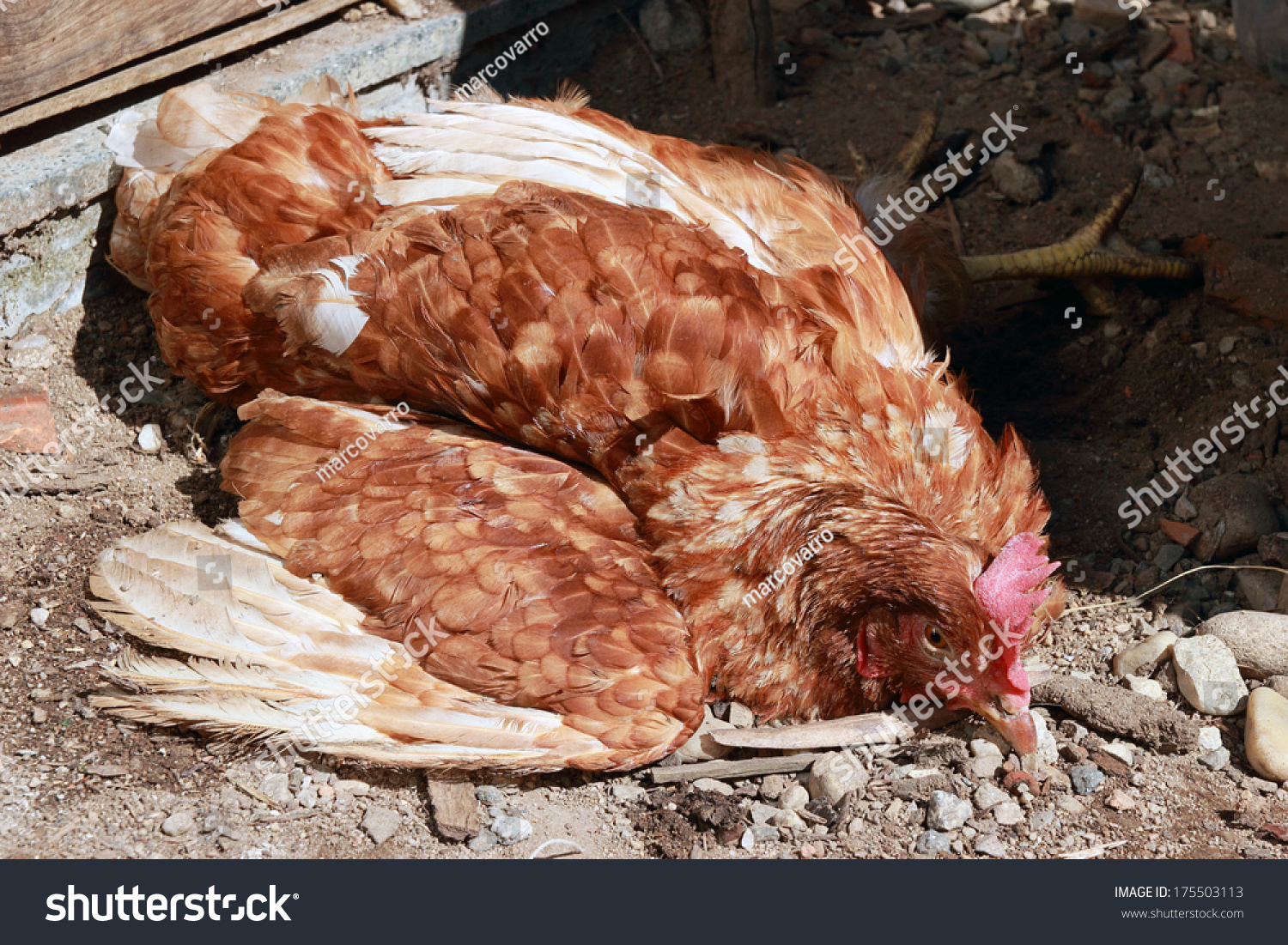
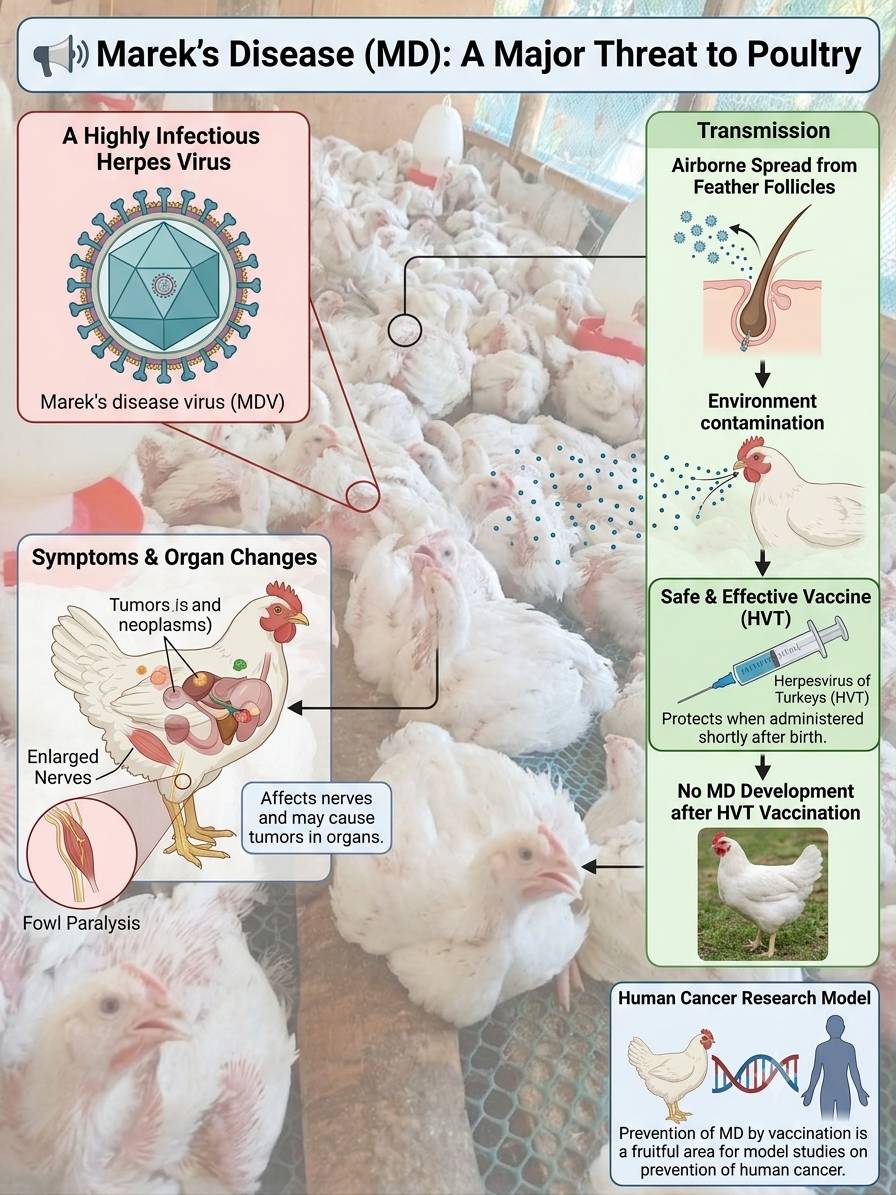
Before diving into prevention, it's crucial to understand the most prevalent diseases threatening Kenyan poultry. Newcastle Disease (ND) and Gumboro (Infectious Bursal Disease) are notorious for their high mortality rates and significant economic losses. Other common ailments include Fowl Pox, Marek's Disease, and various bacterial infections. Prevention is always better (and often cheaper) than cure, especially since many viral diseases like ND have no effective treatment once birds are infected.
Economical Vaccination Strategies: Your First Line of Defense
Vaccination remains the cornerstone of disease prevention. Fortunately, several affordable and effective vaccines are available in Kenya. Institutions like the Kenya Veterinary Vaccines Production Institute (KEVEVAPI) are key providers of accessible veterinary solutions.
Affordable Vaccine Options and Costs:
Disease
Age
Estimated Price (Ksh/1000 doses)
Administration Method (Common)
Marek's Disease
Day 1
3,500
Eye drop
Newcastle Disease (ND)
7-14 Days, 21 Days
500
Drinking water / Eye drop
Infectious Bronchitis
7-14 Days
(Often combined with ND vaccine)
Drinking water
Gumboro (Bursal Disease)
10-14 Days, 21 Days
650
Drinking water
Fowl Pox
4-6 Weeks
650 (for 100 doses + applicator)
Wing web stab
Note: Prices are estimates and may vary based on supplier and location.
Strategic Vaccination Schedule for Layers:
Developing a disciplined vaccination schedule is vital. For layers, a typical program might include:
Day 1 (Hatchery): Marek's Disease (Eye drop)
Day 7-14: Newcastle Disease (Lasota strain) and Infectious Bronchitis (Drinking water or eye drop)
Day 10-14: Gumboro (Drinking water)
Day 21: Newcastle Disease (e.g., Mevac ND, Drinking water)
Week 4-6: Fowl Pox (Wing web stab)
Booster Vaccinations: Essential for ND and Gumboro, typically administered as birds mature, following veterinary advice.
Key Tip: Always store vaccines strictly according to manufacturer instructions. Most require refrigeration at 4°C (for up to a month) or freezing at -20°C (for up to two years) to maintain efficacy. Purchase from reputable agro-vet stores like Kihysoco or directly from KEVEVAPI to ensure quality.
Tackling Newcastle Disease Outbreaks in High-Density Areas
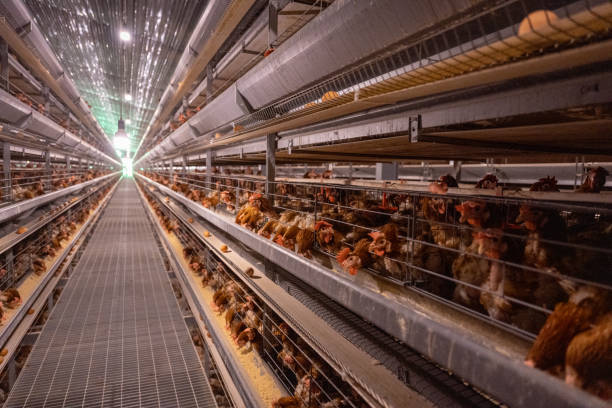
Newcastle Disease (ND) is particularly devastating in high-density areas where rapid transmission is common. In regions like Thika, where poultry farms are often in close proximity, a single outbreak can quickly decimate flocks across the community.
Proactive Measures:
Strict Biosecurity: This is your most powerful weapon against ND. Implement:
Controlled Access: Limit visitors and vehicles to poultry areas.
Disinfection: Use foot baths and regularly disinfect equipment and housing.
Quarantine: Isolate new birds for at least 3 weeks before introducing them to the main flock.
Cleanliness: Maintain impeccable hygiene in coops, feeders, and waterers.
Emergency Vaccination: If an ND outbreak is detected early in a neighboring farm or your immediate vicinity, consult a vet immediately about emergency vaccination strategies for unvaccinated or recently vaccinated birds.
During an Outbreak (Damage Control):
Unfortunately, there's no cure for ND once birds are infected. Focus shifts to containment and minimizing losses:
Isolation: Immediately separate sick birds from healthy ones.
Culling: In severe outbreaks, culling infected and susceptible birds in a controlled zone may be recommended by veterinary authorities to prevent further spread.
Supportive Care: Provide electrolytes and vitamins to help boost the immunity of affected birds, though this won't cure the virus. Local remedies like a mixture of red pepper, wood ash, and aloe vera can be considered for supportive purposes, but should not replace veterinary intervention or vaccination. Always seek professional veterinary advice.
Enhanced Biosecurity: Double down on disinfection and strict movement controls.
Bridging the Gap: Vet Apps and Digital Resources for Layers in Thika
High-density areas like Thika benefit immensely from efficient access to veterinary services and information. While dedicated poultry vet apps are still emerging, existing digital platforms and the services offered by local vets can be effectively leveraged.
Current and Emerging Digital Solutions:
Vet Konect: While primarily a platform for enumerators, its existence suggests a move towards digitalizing veterinary services in Kenya. Farmers should look out for similar platforms that offer direct vet consultations, disease diagnostic assistance, and localized advice.
WhatsApp Groups & Social Media: Many poultry farming communities in Kenya use WhatsApp and Facebook groups (e.g., Kienyeji Poultry Farmers) to share information, report outbreaks, and seek advice. These can be valuable, but always cross-reference information with qualified veterinarians.
Online Agro-Vet Shops: Websites like Afyavet and Farmers Trend Agrovet offer online purchasing of vaccines and medicines, which can be convenient and help compare prices.
What to look for in a "Vet App" for Layers in Thika (or similar areas):
An ideal app for layer farmers in high-density regions would feature:
Disease Symptom Checker: An interactive tool to help farmers identify potential diseases based on observed symptoms, guiding them on immediate actions.
Vaccination Schedule Reminders: Personalized alerts for upcoming vaccinations, including dosage and administration instructions.
Direct Vet Consultation: Ability to connect with local veterinarians (like those from Lamwa Vetcare or Ziwani Poultry) via chat, call, or video for quick advice or farm visits.
Biosecurity Checklists: Interactive checklists to help farmers maintain strict biosecurity protocols.
Market Information: Real-time prices for eggs, feed, and chicks, specific to regions like Thika.
Feed Formulation Guidance: Basic advice on economical feed mixes for layers.
Community Forum: A platform for farmers to share experiences and learn from peers.
Until comprehensive apps become widely available, utilize existing online resources and build strong relationships with local veterinary professionals. Organizations like Lamwa Vetcare in Thika offer direct poultry veterinary services that are crucial for targeted support.
Holistic Biosecurity: The Foundation of Prevention
Beyond vaccination and digital tools, strong biosecurity practices are non-negotiable for disease prevention, especially when budgets are tight. These practices are often low-cost but high-impact.
Farm Layout: Design your farm to minimize traffic flow between different age groups of birds and restrict access from external sources.
Personal Hygiene: Ensure all farm workers and visitors adhere to strict personal hygiene protocols, including hand washing and dedicated farm clothing and footwear.
Water and Feed Quality: Provide clean, fresh water and high-quality feed from reputable suppliers. Contaminated feed or water can introduce diseases.
Pest and Rodent Control: Implement effective measures to control pests and rodents, which can be vectors for diseases.
Waste Management: Properly dispose of litter, dead birds, and other farm waste to prevent disease spread.
Conclusion
Disease prevention in Kenyan poultry farming doesn't have to break the bank. By strategically implementing affordable vaccination programs, maintaining rigorous biosecurity measures, and leveraging available (and emerging) digital and local veterinary resources, farmers in high-density areas like Thika can significantly reduce disease incidence and protect their investments. A healthy flock is a profitable flock, and with smart, budget-conscious strategies, every poultry farmer can build a resilient and thriving enterprise. Embrace these practices, stay informed, and consult regularly with veterinary experts to ensure the long-term success of your poultry venture.
Call to Action
What are your biggest challenges in poultry disease prevention? Share your tips and experiences in the comments below! If you're a farmer in Thika or elsewhere in Kenya, what kind of vet app features would help you most?