In the dynamic world of poultry farming, the age-old question persists: Broilers or Layers? For 2025, understanding the intricate profit breakdown between these two popular poultry ventures is crucial for farmers, feed makers, poultry companies, veterinarians, and students alike. This guide delves into detailed financial projections, significant risks like feed inflation, and strategic diversification tips to help you calculate returns and potentially achieve KSh 500,000 per year from 1,000 birds.
The Broiler Business: Quick Turnover, Targeted Returns
Broiler farming offers a rapid return on investment due to the short growth cycle (typically 5-6 weeks). This fast turnover allows for multiple production cycles within a year, making it an attractive option for those seeking quicker capital rotation. However, this model is also highly sensitive to market prices and input costs.
Broiler Profitability Projections (1,000 Birds per Cycle, Target KSh 500K/year)
To achieve an ambitious target of KSh 500,000 profit annually from 1,000 broiler birds, strategic management and market positioning are paramount. Let's break down the economics:
Assuming an average of 5.5 cycles per year and a 95% survival rate (950 birds sold per cycle):
Verdict on Broilers: While KSh 460 per broiler is a premium price point, it is achievable in certain markets, especially for high-quality, well-presented birds, or through direct retail channels. This requires exceptional feed conversion ratios, minimal mortality, and astute market timing. Farmers must focus on reducing feed wastage, optimizing environmental conditions, and securing reliable buyers to command such prices.
The Layer Landscape: Consistent Income, Long-Term Investment
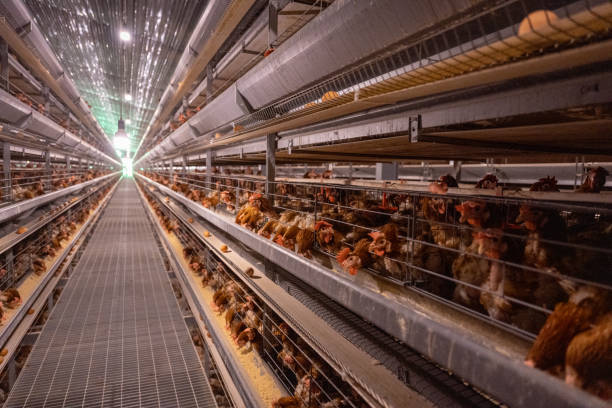
Layer farming, while requiring a higher initial investment and a longer maturity period, offers a more consistent and predictable income stream through egg production. The longevity of the laying cycle means a sustained revenue flow, but also prolonged exposure to operational costs.
Layer Profitability Projections (1,000 Birds per Year, Target KSh 500K/year)
For 1,000 active layers, achieving KSh 500,000 in annual profit is a realistic and often exceeded target under optimal management. Let's analyze the figures:
Assuming 950 productive hens (accounting for minor mortality) and an average production of 300 eggs per hen per year (conservative estimate):
Target Annual Profit: KSh 500,000
Profit per Productive Hen per Year: KSh 500,000 / 950 hens = KSh 526.31
Now, let's estimate the annual operational costs per layer bird:
Item
Estimated Annual Cost (KSh)
Feed (0.12kg/day @ KSh 60/kg)
2,628 (0.12 * 60 * 365)
Pullet Amortization (KSh 750 over 1.5 years)
506.94
Vaccines, Medication, Utilities, Misc.
255.5 (KSh 0.7 * 365)
Total Annual Cost per Layer
3,390.44
To achieve the KSh 526.31 profit per hen, the required annual revenue per layer would be:
KSh 3,390.44 (Cost) + KSh 526.31 (Target Profit) = KSh 3,916.75 per hen
With an average production of 300 eggs per hen per year, the required average selling price per egg would be:
KSh 3,916.75 / 300 eggs = KSh 13.05 per egg
Verdict on Layers: An average selling price of KSh 13.05 per egg is highly achievable in the Kenyan market, often surpassed by direct sales or during peak demand. This indicates that layer farming, with consistent production and good market access, can comfortably meet and often exceed the KSh 500,000 annual profit target with 1,000 birds. Focus on feed quality, disease prevention, and maintaining high peak production for sustained success.
Key Risks in 2025: Navigating the Challenges
Both broiler and layer operations face significant challenges that can impact profitability. Understanding and mitigating these risks is paramount for success in 2025.
1. Feed Inflation
Feed costs consistently represent 60-70% of total production expenses. Global commodity price fluctuations, supply chain disruptions, and local climatic conditions directly influence feed prices. Unchecked feed inflation can rapidly erode profit margins, making cost-effective feed sourcing and efficient feed conversion critical.
2. Disease Outbreaks
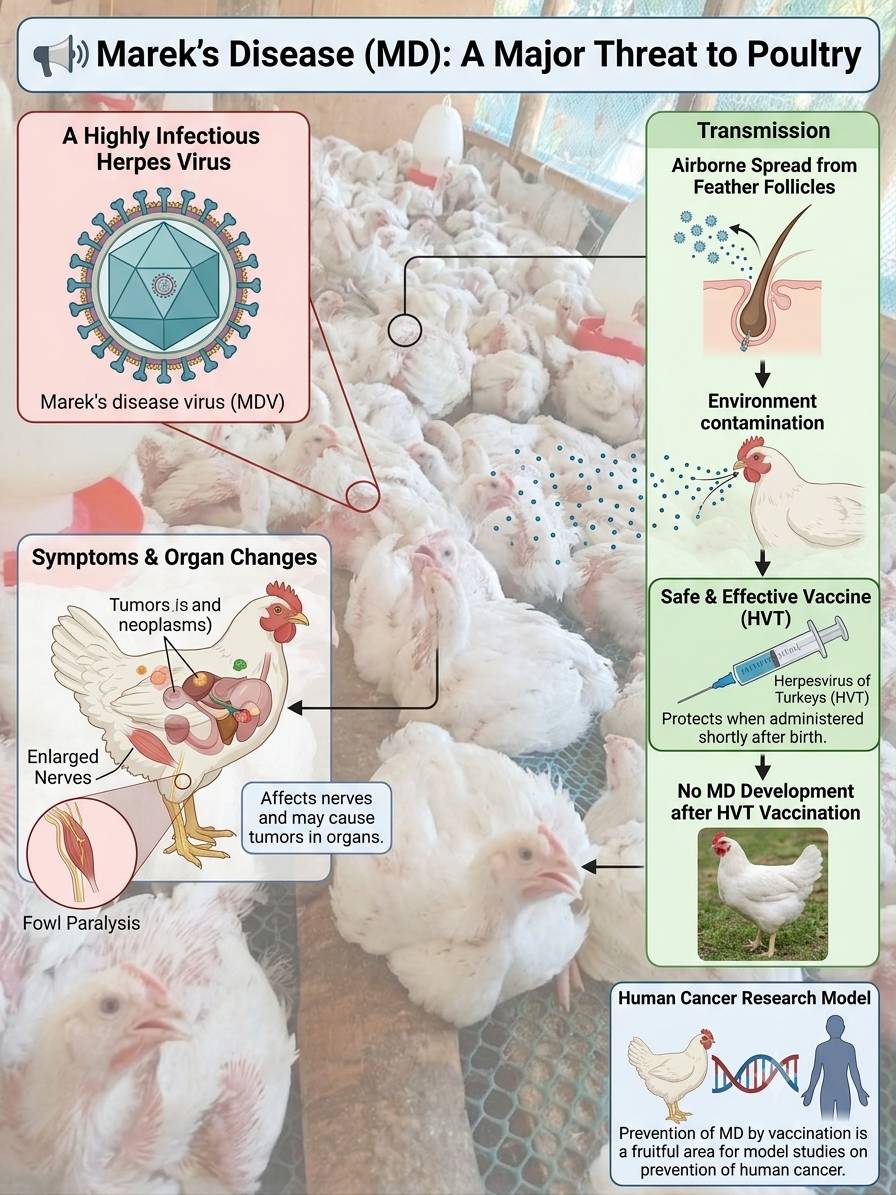
Poultry diseases, such as Newcastle Disease, Gumboro, and Avian Influenza, pose an existential threat to flock health and farm profitability. A single outbreak can wipe out an entire flock or lead to massive production losses. Robust biosecurity measures, stringent vaccination schedules, and prompt veterinary intervention are non-negotiable.
3. Market Fluctuations
Both egg and meat prices are subject to supply and demand dynamics, seasonal variations, and competition. Oversupply can drive prices down, while shortages can lead to price surges. Farmers need to stay abreast of market trends and potentially diversify their market channels.
4. Input Costs
Beyond feed, costs for day-old chicks/pullets, electricity, water, labor, and medication are continuously rising. Efficient resource management and energy-saving practices are essential to keep these operational costs in check.
Strategic Diversification Tips for Enhanced Resilience
To bolster your poultry business against unforeseen risks and maximize overall profitability, consider these diversification strategies:
Value Addition: Instead of selling raw produce, consider processing. For broilers, this could mean cut-up chicken, marinated portions, or smoked chicken. For layers, graded and packaged eggs, or even processed egg products. Value addition can command higher prices and open new market segments.
Manure Production and Sales: Poultry litter is a rich organic fertilizer. Bagging and selling chicken manure to crop farmers or horticulturalists can generate a significant secondary income stream, turning a waste product into a valuable commodity.
Hatchery Operations: If you have strong breeding stock and expertise, running a small-scale hatchery to supply day-old chicks/pullets to other farmers can be lucrative, especially in areas with high demand.
Integrated Farming: Combine poultry with other agricultural ventures like aquaculture (fish farming, using chicken waste as feed) or crop farming (using manure, growing feed crops). This creates a symbiotic ecosystem that reduces input costs and generates multiple income streams.
Direct-to-Consumer Sales: Setting up a farm shop, participating in local markets, or establishing delivery services can cut out middlemen, allowing you to capture a larger share of the retail price for your eggs and meat.
Conclusion: Strategic Choices for a Profitable 2025
Both broiler and layer farming present viable pathways to profitability in 2025. While broilers offer quicker returns requiring precise market timing and cost control to hit ambitious targets like KSh 500,000 from 1,000 birds, layers provide a more stable, continuous income stream, often exceeding this target with good management. The key to success lies in meticulous planning, proactive risk management against factors like feed inflation, and a willingness to explore diversification opportunities. By adopting modern poultry production practices and staying attuned to market dynamics, poultry farmers can build resilient and highly profitable enterprises for the years to come.