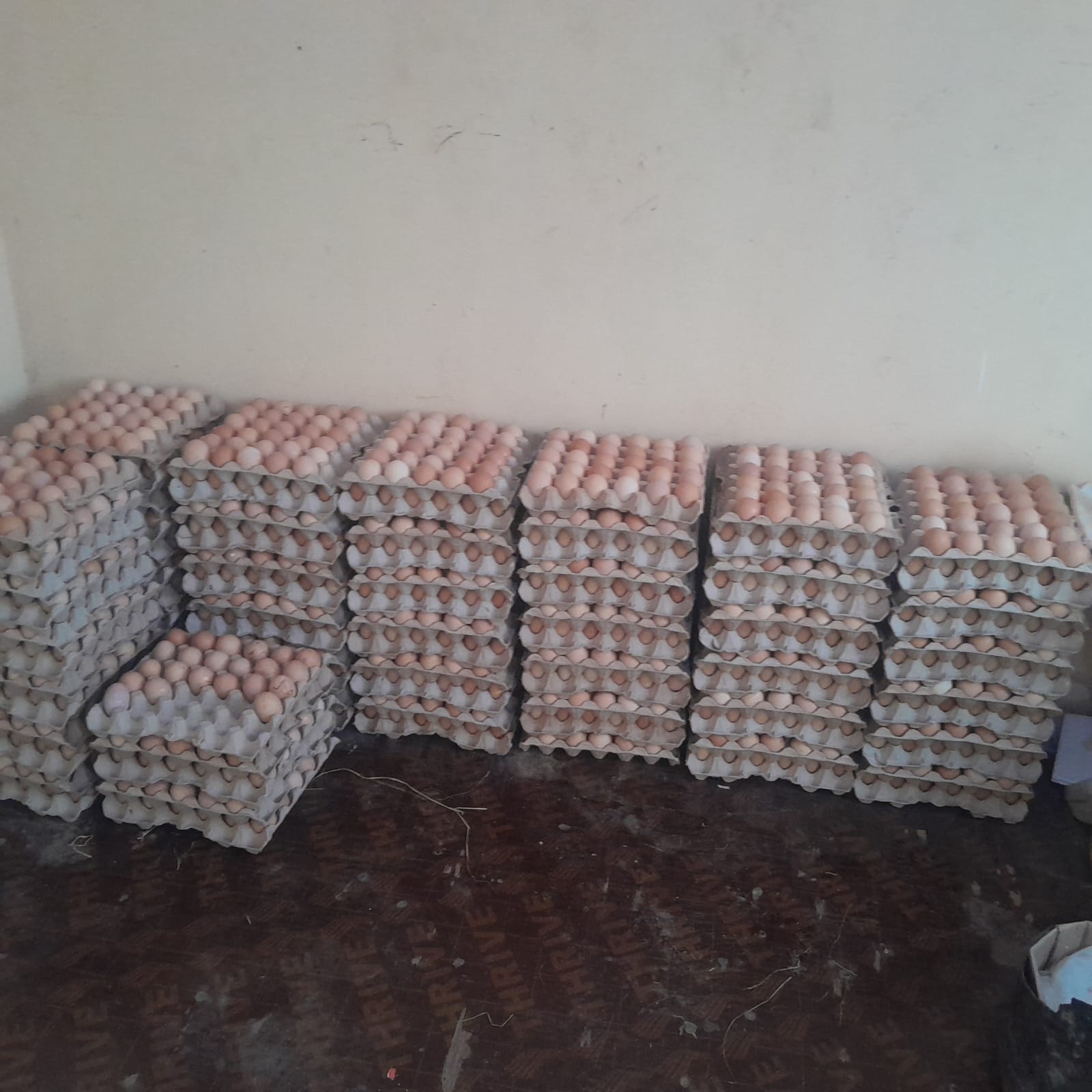
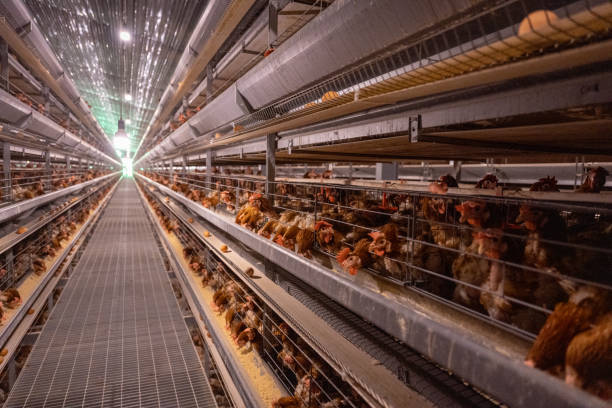
In the dynamic world of Kenyan poultry farming, understanding your potential return on investment (ROI) is paramount. This blog post introduces a comprehensive Kenya layers farming ROI calculator designed specifically for smallholder farmers managing 500 layers. We'll walk you through a step-by-step financial model, providing realistic assumptions and insights into your potential profit margins over a 12-month period.
Calculator Overview: Unlocking Your Layer Farm's Potential
Our interactive ROI calculator for 500 layers in Kenya provides a clear picture of your farm's financial health. It takes into account critical inputs like startup budget, feed costs, and egg prices to project your monthly egg production, revenue, and ultimately, your profit. This tool empowers you to make informed decisions and optimize your operations for maximum profitability.
Step-by-Step Financial Model for 500 Layers
Let's break down the financial projections for a 500-layer operation in Kenya. These figures are based on realistic market conditions and operational efficiency.
1. Key Assumptions
Number of Laying Birds: 500 layers (a popular smallholder size)
Maturity Period: 6 months before reaching peak lay rate.
Effective Laying Birds: Approximately 350 birds will be in daily production after maturity (accounting for non-layers, culling, and natural attrition), re
presenting an 85% lay rate.
Egg Production Rate: 1 egg per bird per day from producing layers.
Note: These figures assume direct sales to consumers or retailers, fetching the optimal market price. Consider exploring strategies for Direct Sales to Retailers to maximize your income.
Variables & Assumptions: What Influences Your ROI?
The profitability of your 500-layer farm is influenced by several key variables:
Startup Budget: Initial investment in housing, pullets, feeders, drinkers, and other equipment will impact your overall ROI. While not directly factored into the monthly operational profit, it's crucial for calculating the true return on your initial capital.
Feed Cost: This is typically the largest operational expense. Fluctuations in feed prices directly affect your profit margins. Sourcing quality feed at competitive prices is essential.
Egg Price: Market demand and competition dictate egg prices.
Selling directly or establishing strong relationships with buyers can help secure better prices.
Lay Rate: Maintaining a high lay rate (like our assumed 85%) is vital. Factors like breed, nutrition, disease control, and stress management all play a role in Maximizing Egg Production.
Bird Mortality: While we've accounted for a realistic number of producing birds, unexpected mortality can impact your figures.
Sensitivity Analysis: Exploring Different Scenarios
To understand the robustness of your investment, let's consider some variations:
Wholesale Discount Scenarios
If you sell to wholesalers, you might offer a discount. For example, a KSh 2/egg discount would reduce your daily revenue to KSh 18/egg × 350 eggs = KSh 6,300, leading to a monthly revenue of KSh 189,000 and a monthly net profit of KSh 76,000.
Seasonal Variations
Egg prices and demand can fluctuate seasonally. During peak seasons (e.g., festive periods), prices might be higher, while off-peak seasons might see a slight dip. Our calculator provides a baseline, but you should adjust for these variations in your annual projections.
Risk Factors in Layers Farming
Disease Outbreaks: Diseases can decimate a flock, leading to significant financial losses. Implementing robust biosecurity measures and a proper vaccination schedule is crucial.
Feed Quality & Availability: Poor quality feed affects egg production and bird health. Scarcity can drive up prices.
Market Fluctuations: Unpredictable changes in egg demand and supply can impact pricing.
Predators: Protection from predators is essential to prevent losses.
Environmental Stress: Extreme weather conditions can affect bird performance.
Optimization Tips for Higher ROI
Feed Management: Implement precise feeding programs to minimize waste and ensure optimal nutrition. Consider making your own feed if raw materials are cheaper and readily available, or work with reputable feed suppliers for bulk discounts.
Disease Prevention: Invest in a comprehensive vaccination program and strict biosecurity protocols to maintain flock health. Regularly consult with a veterinarian.
Market Diversification: Explore various sales channels beyond wholesalers. Direct sales to consumers, restaurants, and local shops often yield better prices. Consider value-added products like fertilized eggs or day-old chicks if feasible.
Housing & Environment: Provide a comfortable, clean, and well-ventilated environment to reduce stress and maximize egg production. Adequate lighting programs are also critical for layers.
Record Keeping: Maintain detailed records of feed consumption, egg production, mortality, and expenses. This data is invaluable for identifying trends, making adjustments, and accurately assessing your farm's performance.
Continuous Learning: Stay updated with the latest poultry farming techniques and market trends. Attend workshops and network with other farmers.
Conclusion: Your Path to Profitable Layers Farming
Operating a 500-layer farm in Kenya presents a significant opportunity for profit, with a potential annual net profit of over KSh 1 million under optimal direct sales conditions. By carefully managing your inputs, understanding market dynamics, and implementing smart farming practices, you can achieve a substantial return on your investment. Use this Kenya layers farming ROI calculator as a guide, adapt it to your specific circumstances, and embark on a successful poultry farming journey.
For further insights and guidance, refer to these valuable resources:
Poultry Market Kenya is a dedicated poultry farming and agribusiness blog focused on empowering farmers, traders, and agri-entrepreneurs across Kenya. We publish practical, data-driven content covering poultry production, disease management, feeding strategies, housing, equipment reviews, and market insights.
Our goal is to bridge the gap between traditional poultry farming practices and modern, profitable methods by providing reliable information, expert guidance, and real-world case studies.