AI Apps for Flock Health Monitoring: Revolutionizing Poultry Farming in Kenya
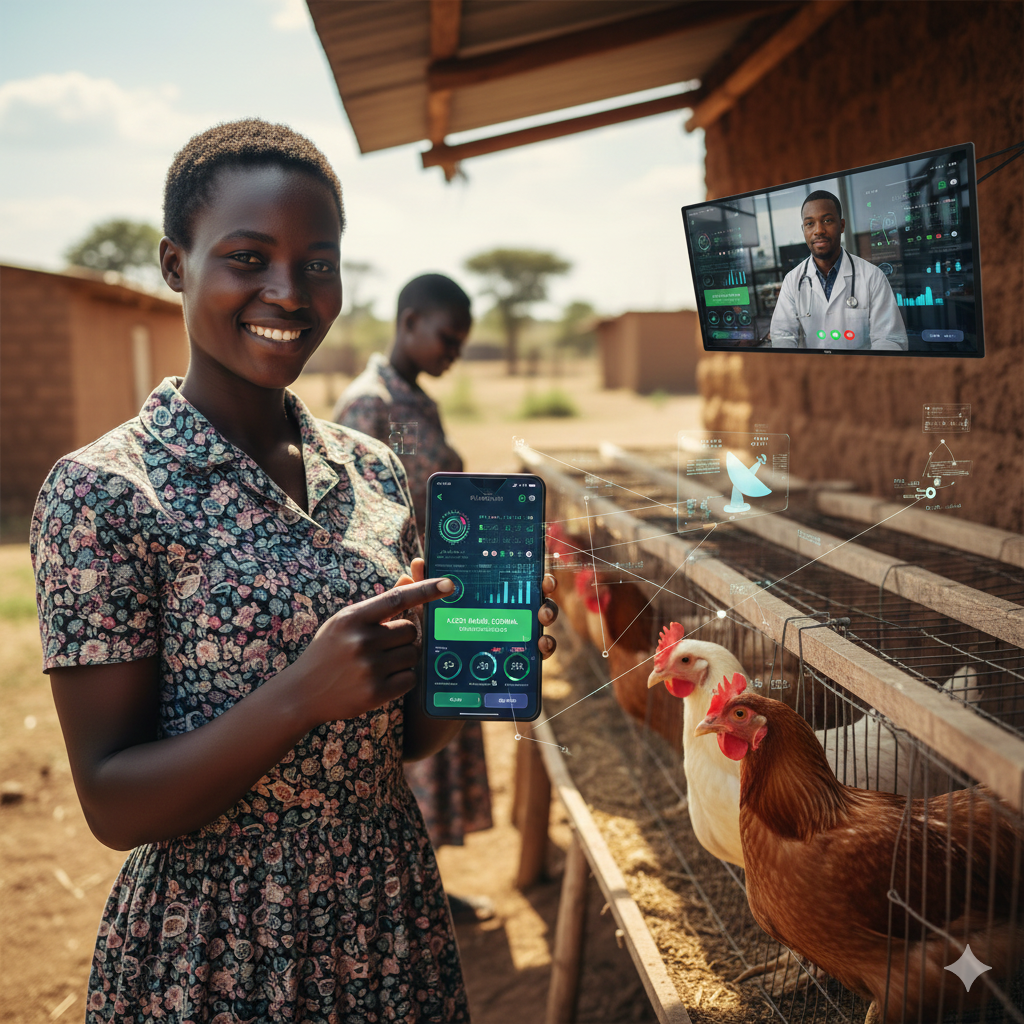
The poultry sector in Kenya is a cornerstone of the nation's agricultural economy, providing livelihoods for countless farmers and a vital source of protein. However, managing flock health remains a significant challenge, with disease outbreaks posing constant threats to productivity and profitability. Traditional disease monitoring methods can be slow, reactive, and often lead to substantial losses. Fortunately, the advent of Artificial Intelligence (AI) powered mobile applications is poised to transform how Kenyan poultry farmers safeguard their flocks, ushering in an era of proactive and precision farming.
The Dawn of Smart Poultry Farming: Real-time Disease Detection
AI-driven applications are fundamentally changing the landscape of disease detection in poultry. These sophisticated tools leverage machine learning algorithms to analyze various data points, offering real-time insights into flock health.
How AI Apps Detect Disease:
Behavioral Analysis: AI systems can monitor changes in bird behavior, such as reduced activity, altered feeding or drinking patterns, or unusual vocalizations. Cameras and microphones integrated with AI can flag these deviations as potential indicators of stress or illness.
Image Recognition: Advanced computer vision can analyze images or video footage
of individual birds or the entire flock to identify subtle physical symptoms like ruffled feathers, swollen joints, discharge, or changes in droppings.
Environmental Monitoring: Integrating with smart sensors, these apps track crucial environmental factors like temperature, humidity, ammonia levels, and ventilation. Sudden changes or prolonged unsuitable conditions can predispose birds to disease, and AI can issue alerts.
Data Aggregation: By combining data from multiple sources – including feed consumption, water intake, mortality rates, and even local weather patterns – AI can identify trends and predict potential outbreaks before visible symptoms become widespread.
This real-time detection capability means farmers can intervene much earlier, often preventing minor health issues from escalating into devastating epidemics that wipe out entire flocks.
Integrating with Kenya's Veterinary and Cooperative Ecosystem
The true power of AI apps for flock health monitoring is amplified through seamless integration with existing support structures in Kenya: the vital network of veterinarians and agricultural cooperatives (co-ops).
Empowering Veterinarians:
AI apps can serve as invaluable diagnostic aids for Kenyan vets, especially those serving remote areas.
Remote Consultation: Farmers can share app-generated health reports, images, and data directly with veterinarians, enabling remote preliminary diagnoses and guidance.
Enhanced Diagnostics: The data provided by AI apps offers vets a comprehensive overview of the flock's health history and current status, leading to more accurate and timely diagnoses.
Proactive Interventions: By identifying early warning signs, vets can implement preventive measures or targeted treatments, reducing the need for costly emergency visits and widespread medication.
Disease Surveillance: Aggregated data from multiple farms can contribute to regional disease surveillance efforts, helping veterinary authorities track and control outbreaks at a broader level.
Strengthening Co-operatives:
Poultry co-ops play a crucial role in providing resources, training, and market access for small-scale farmers. AI apps can significantly enhance their effectiveness.
Collective Data Insights: Co-ops can analyze anonymized, aggregated data from their members' farms to identify common health challenges, optimize feed distribution, and develop targeted training programs.
Resource Allocation: Data-driven insights can help co-ops better allocate resources, such as vaccines or medications, ensuring they reach farms most in need.
Market Intelligence: Health trends within the co-op's network can inform collective marketing strategies and negotiations, ensuring a consistent supply of healthy birds for buyers.
Knowledge Sharing: The apps can facilitate peer-to-peer learning within co-ops, allowing farmers to share best practices and collectively improve flock management.
Success Stories from East African Farms: A Glimpse into the Future
While specific app names are still emerging, the impact of AI-driven approaches is already being felt across East Africa.
Reduced Mortality in Rural Kenya: A pilot program in Western Kenya utilizing an AI-powered camera system for broiler farms reported a 15% reduction in chick mortality within the first six months, primarily due to earlier detection and treatment of respiratory issues. Farmers noted increased peace of mind and significantly improved yields.
Optimized Layer Production in Uganda: In Uganda, a cooperative implemented a basic AI monitoring system that tracked water intake and egg production patterns. Deviations flagged by the system allowed farmers to adjust environmental conditions and identify sick birds promptly, leading to a 5% increase in average egg lay per bird and a 10% decrease in medication costs.
Enhanced Collaboration in Tanzania: A group of smallholder farmers in Tanzania, connected by an AI app, were able to collectively alert their local vet to unusual behavioral patterns across several farms, leading to the early containment of a potential viral outbreak that could have devastated their livelihoods.
This highlighted the power of networked intelligence.
These instances underscore the potential for AI applications to empower farmers, making poultry farming more resilient, profitable, and sustainable across the region.
The Path Forward: Challenges and Opportunities
While the benefits are clear, the widespread adoption of AI apps in Kenya's poultry sector faces challenges, including internet connectivity in remote areas, digital literacy among some farmers, and the initial cost of implementation. However, as technology becomes more accessible and affordable, and with support from government initiatives, NGOs, and private sector innovation, these hurdles are surmountable.
The future of poultry farming in Kenya is increasingly digital. AI apps for flock health monitoring are not just tools; they are partners in progress, offering a pathway to healthier flocks, wealthier farmers, and a more secure food future for the nation.
Conclusion
AI-powered mobile applications represent a transformative leap for poultry health monitoring in Kenya. By enabling real-time disease detection, fostering robust integration with veterinarians and co-operatives, and delivering tangible successes, these technologies are setting a new standard for precision poultry farming. Embracing these innovations will not only safeguard the health of poultry but also secure the economic well-being of countless farmers and contribute significantly to food security across East Africa. The time for smart poultry is now.
Poultry Market Kenya is a dedicated poultry farming and agribusiness blog focused on empowering farmers, traders, and agri-entrepreneurs across Kenya. We publish practical, data-driven content covering poultry production, disease management, feeding strategies, housing, equipment reviews, and market insights.
Our goal is to bridge the gap between traditional poultry farming practices and modern, profitable methods by providing reliable information, expert guidance, and real-world case studies.