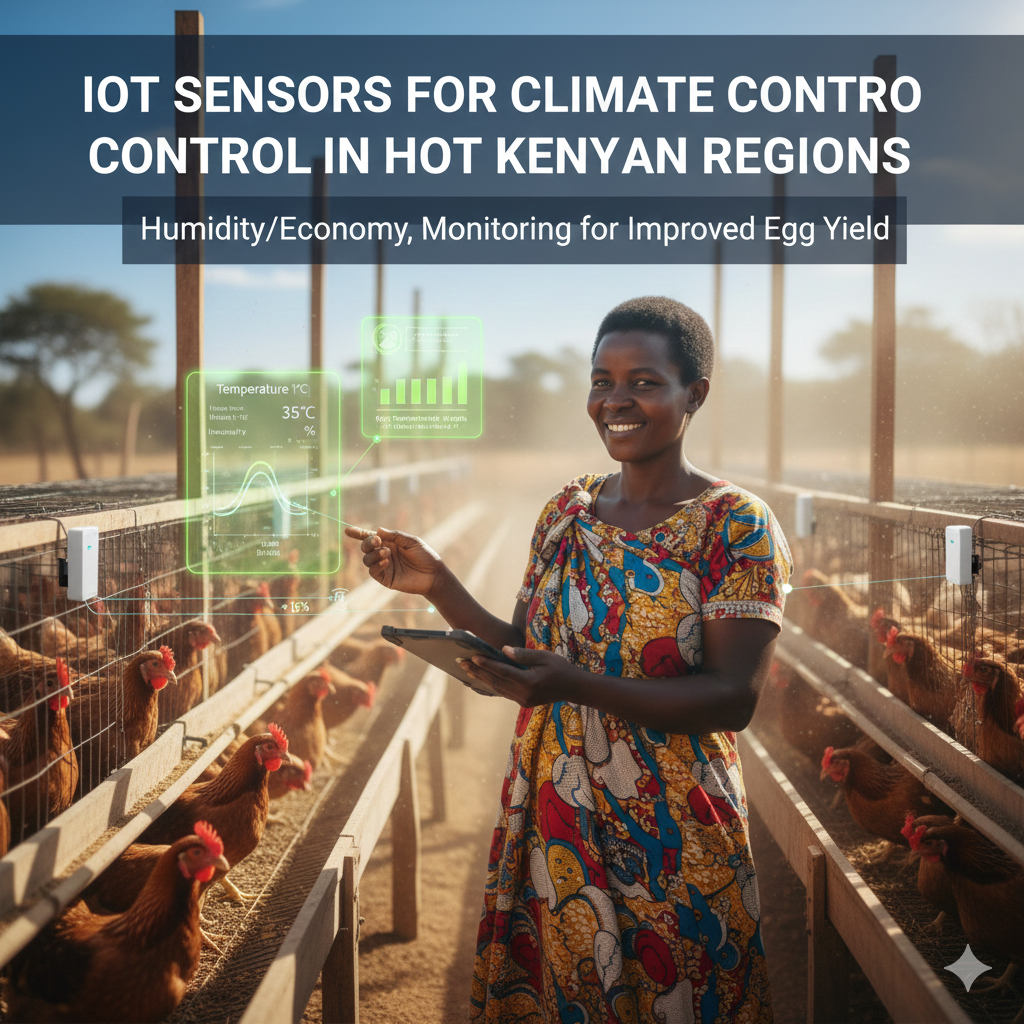
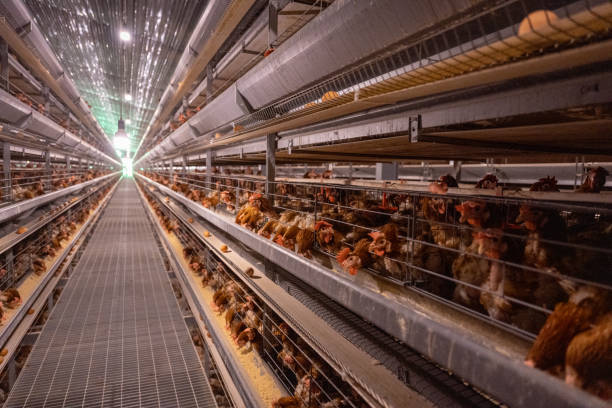
In the dynamic and often challenging world of poultry farming, maintaining an ideal environment for your flock is paramount to their health, productivity, and ultimately, your farm's profitability. This challenge is particularly pronounced in hot, arid regions like Kenya's Kitui County, where extreme temperatures and fluctuating humidity levels can severely stress birds, leading to significant drops in egg yield and overall welfare. Fortunately, the advent of Internet of Things (IoT) sensors is offering a revolutionary solution, empowering poultry farmers with unprecedented control over their farm's microclimate.
The Climate Conundrum: Poultry Farming in Arid Zones
Kenya's arid and semi-arid lands (ASALs), including areas such as Kitui, are characterized by high daytime temperatures, often exceeding 30°C, and significant diurnal temperature variations. Humidity can swing wildly, from extremely low levels leading to dehydration and respiratory issues, to sudden spikes that encourage pathogen growth. For layer farms, these environmental stressors are detrimental:
Heat Stress: High temperatures cause layers to reduce feed intake, pant excessively, and divert energy from egg production to cooling themselves. This results in smaller eggs, thinner shells, and a reduction in laying percentage.
Humidity Extremes: Low humidity can lead to dust build-up, irritating respiratory systems and increasing susceptibility to diseases.
High humidity, especially when combined with high temperatures, exacerbates heat stress and creates an ideal breeding ground for bacteria and fungi.
These factors directly impact the bottom line for Kenyan poultry farmers, making consistent egg yield a constant battle.
Enter IoT Sensors: Your Eyes and Ears in the Coop
IoT sensors are small, intelligent devices that connect to the internet, allowing them to collect and transmit data in real-time. When strategically placed within poultry houses, these sensors become invaluable tools for humidity and temperature monitoring, providing a continuous stream of environmental data. Instead of relying on manual checks or outdated analog thermometers, farmers can now have precise, up-to-the-minute insights into their flock's living conditions.
How IoT Sensors Work for Poultry Climate Control:
Data Collection: Sensors continuously measure environmental parameters like temperature, relative humidity, ammonia levels, and even light intensity.
Real-time Transmission: This data is wirelessly sent to a central hub, which then uploads it to a cloud-based platform accessible via a smartphone, tablet, or computer.
Alerts and Notifications: Farmers can set predefined thresholds. If temperature or humidity levels exceed or fall below these thresholds, the system automatically sends alerts to the farmer, allowing for immediate intervention.
Data Analytics and Trends: The collected data is stored, enabling farmers to analyze historical trends, identify patterns, and make informed decisions about ventilation, cooling, and heating strategies.
Precision Monitoring: A Deep Dive into Temperature and Humidity
Temperature Monitoring: For optimal egg production and bird health, layer hens require a specific thermal comfort zone, typically between 18°C and 24°C. IoT temperature sensors provide constant feedback, allowing farmers to:
Identify hot spots within the house.
Monitor the effectiveness of cooling systems (fans, misters).
Prevent heat stress before it becomes critical.
Humidity Monitoring: The ideal relative humidity for poultry is generally between 50% and 70%. Deviations can be problematic:
Low Humidity: Leads to dusty environments, increasing respiratory issues and dehydration. Sensors can trigger misting systems or indicate a need for increased humidity.
High Humidity: Exacerbates heat stress and fosters the growth of harmful bacteria and mold. Sensors can prompt increased ventilation or dehumidification efforts.
Consider a layer farm in Kitui that previously struggled with erratic egg production during the hottest months. By implementing a network of IoT sensors, the farmer can now precisely monitor temperature and humidity across different sections of their poultry houses. When temperatures begin to climb towards critical levels, or humidity drops too low, the farmer receives an immediate alert on their phone. This allows them to promptly activate cooling fans, open ventilation flaps, or initiate a misting system, rather than discovering the problem hours later when birds are already stressed.
One such farm in the Kitui region reported a 15-20% improvement in consistent egg production during peak dry seasons within six months of adopting IoT climate control. Furthermore, they observed a significant reduction in bird mortality due to heat stress and fewer respiratory problems, directly translating to higher profitability and a healthier flock. This proactive management approach, driven by data, is transforming challenges into opportunities for growth.
Beyond Monitoring: Towards Automated Climate Control
The true power of IoT extends beyond mere monitoring. These sensors can be integrated with automated climate control systems. For instance, if a temperature sensor detects levels above the set maximum, it can automatically trigger ventilation fans to switch on. If humidity falls too low, a misting system can be activated. This level of automation significantly reduces manual labor, ensures consistent environmental conditions, and frees up farmers to focus on other critical aspects of farm management.
Unlocking the Benefits of IoT for Poultry Farmers
Implementing IoT sensors for climate control offers a multitude of benefits for poultry farmers, particularly in challenging climates:
Increased Egg Yield and Quality: By maintaining optimal conditions, hens are less stressed, leading to better production rates and higher-quality eggs.
Improved Bird Welfare: A comfortable environment reduces stress, minimizes disease susceptibility, and enhances overall bird health.
Reduced Mortality Rates: Early detection and intervention prevent severe heat stress and other climate-related health issues.
Optimized Resource Usage: Data-driven decisions regarding ventilation, heating, and cooling lead to more efficient use of electricity and water.
Data-Driven Decision Making: Historical data provides valuable insights for long-term planning and continuous improvement of farm operations.
Enhanced Profitability: The combination of higher yields, lower mortality, and efficient resource use directly boosts the farm's financial performance.
Conclusion
IoT sensors for climate control represent a significant leap forward for poultry farming in hot Kenyan regions. By providing accurate, real-time data on critical environmental factors like temperature and humidity, these smart solutions empower farmers to create optimal conditions for their flocks, directly improving egg yield and bird welfare. As technology continues to advance, integrating IoT into farm management will not only future-proof poultry operations but also unlock new levels of efficiency, productivity, and sustainability, ensuring a thriving poultry sector even in the face of environmental challenges.
Poultry Market Kenya is a dedicated poultry farming and agribusiness blog focused on empowering farmers, traders, and agri-entrepreneurs across Kenya. We publish practical, data-driven content covering poultry production, disease management, feeding strategies, housing, equipment reviews, and market insights.
Our goal is to bridge the gap between traditional poultry farming practices and modern, profitable methods by providing reliable information, expert guidance, and real-world case studies.