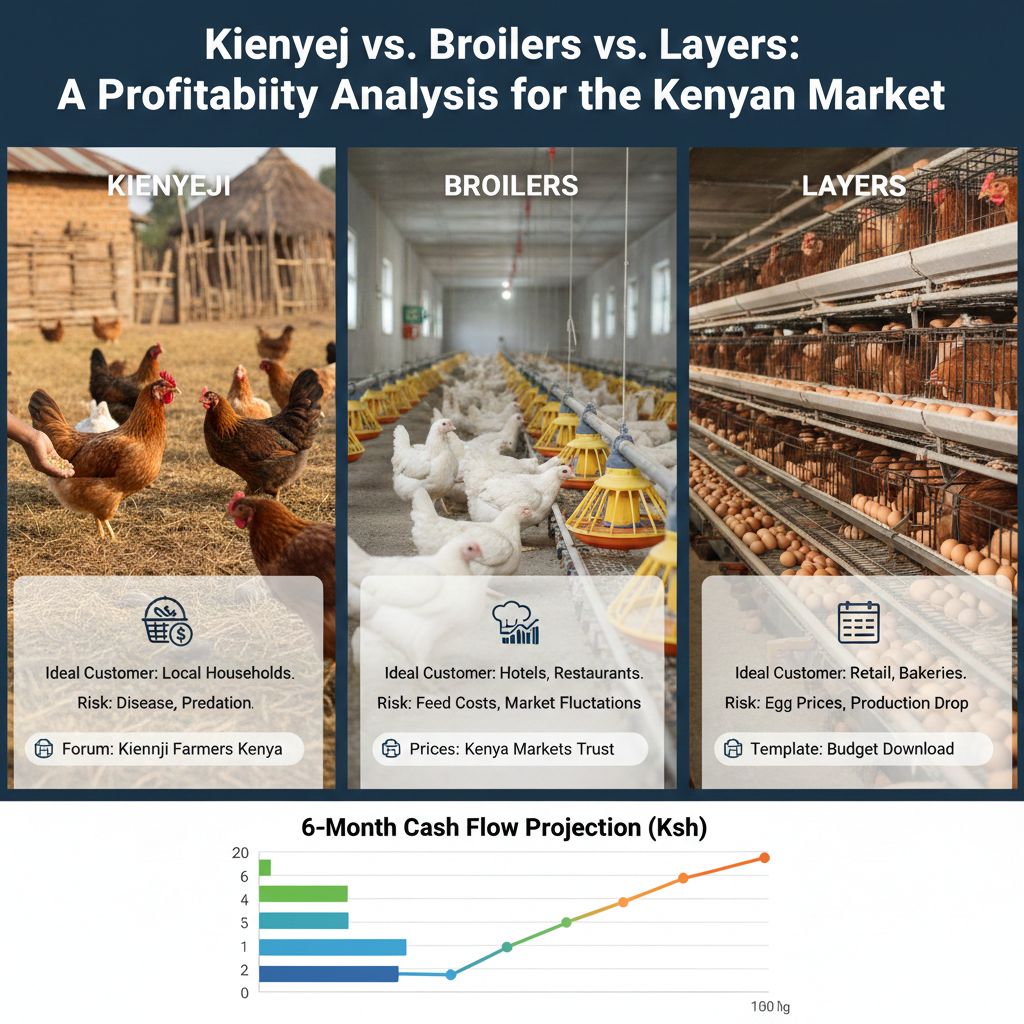
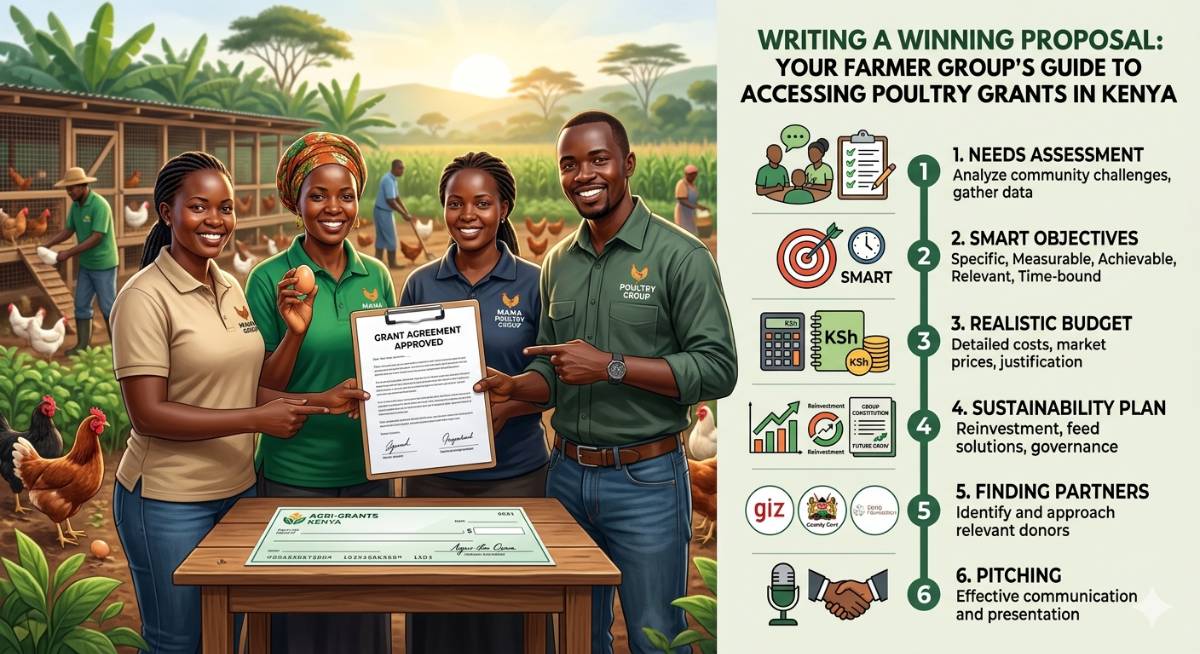
Ann Wambui’s journey into poultry farming is a compelling story of ambition, adaptation, and leveraging technology for success. Starting with a modest inspiration, she has built a thriving 3,000-bird layer farm that serves as a model for modern poultry entrepreneurship in Kenya. This article details Ann’s path, focusing on her commitment to biosecurity, traceability, and the utilization of digital tools.
From Inspiration to Implementation
Ann’s initial interest in poultry farming stemmed from a desire for financial independence and a recognition of the growing demand for affordable protein in Kenya. She began by researching different poultry farming models, attending workshops, and networking with established farmers. Starting small is a common theme among successful poultry entrepreneurs, and Ann began with a manageable flock of 500 chicks, carefully monitoring their growth and health. This allowed her to learn the ropes and refine her approach before scaling up.
Scaling to 3,000 Birds
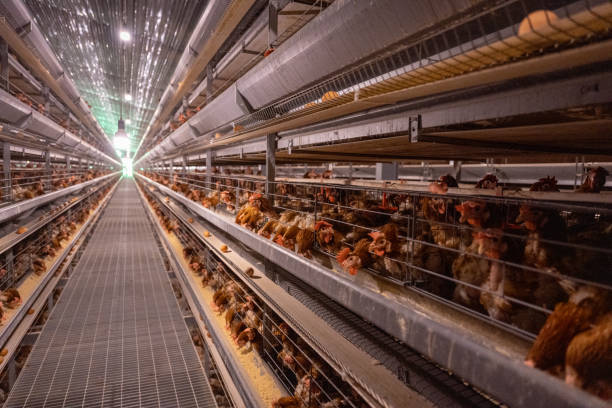
The initial success spurred Ann to expand. She secured funding through a combination of personal savings and agricultural loans, allowing her to invest in larger, more sophisticated housing and equipment. The farm now operates with a capacity of 3,000 layers, producing a significant volume of eggs for local markets. A critical aspect of her growth was a focus on efficiency, optimizing feed conversion ratios, and minimizing mortality rates.
Biosecurity: A Cornerstone of Success
Ann prioritizes biosecurity as a non-negotiable aspect of her operations. She understands that preventing disease outbreaks is far more cost-effective than treating them. Her biosecurity protocols include:
Strict Access Control: Limiting access to the farm to essential personnel only.
Disinfection Procedures: Implementing thorough disinfection of vehicles, equipment, and personnel entering the farm premises. Foot dips with disinfectant are standard.
All-In, All-Out Management: Raising birds in batches, ensuring complete depopulation, cleaning, and disinfection between cycles.
Rodent and Vector Control: Regular pest control measures to minimize the risk of disease transmission.
Vaccination Programs: Following a stringent vaccination schedule guided by veterinary advice.
Traceability: Ensuring Quality and Safety
In today’s market, consumers are increasingly concerned about the origin and quality of their food. Ann has implemented a traceability system to track her eggs from the farm to the consumer. This involves:
Batch Numbering: Assigning unique batch numbers to each flock.
Record Keeping: Maintaining detailed records of feed consumption, egg production, vaccinations, and any health issues.
This commitment to traceability enhances consumer trust and allows Ann to quickly identify and address any potential quality or safety concerns.
Leveraging Digital Tools: Kenchic’s App and Beyond
Ann is a strong advocate for adopting digital technologies in poultry farming. She utilizes Kenchic’s app, a valuable tool for managing various aspects of her farm, including:
Record Keeping: Digital logging of crucial farm data, eliminating the need for paper-based systems.
Performance Monitoring: Tracking key performance indicators (KPIs) such as egg production, feed conversion ratio, a
nd mortality rates.
Inventory Management: Monitoring feed stocks, medication supplies, and other essential inputs.
Financial Reporting: Generating reports to track income and expenses.
Beyond the Kenchic app, Ann also uses social media marketing to promote her eggs directly to consumers and build brand awareness. https://www.kenchic.com/
Challenges and Lessons Learned
Like any entrepreneur, Ann has faced challenges along the way. Fluctuating feed prices, disease outbreaks, and market volatility are constant concerns. However, she has consistently demonstrated resilience and a willingness to adapt. Her key lessons learned include:
Importance of Financial Planning: Developing a realistic budget and managing cash flow effectively.
Need for Continuous Learning: Staying updated on the latest advancements in poultry farming.
Value of Networking: Building relationships with other farmers, suppliers, and industry experts.
Future Plans
Ann’s ambition doesn’t stop here. She plans to expand her farm further, explore value-added products such as processed eggs, and invest in renewable energy sources to reduce her operating costs. She is also keen on mentoring other aspiring poultry entrepreneurs.
Conclusion
Ann Wambui’s story is an inspiring example of how passion, hard work, and a willingness to embrace technology can lead to success in the poultry industry. Her commitment to biosecurity, traceability, and efficient management practices sets her apart as a modern poultry entrepreneur. For those looking to begin or improve their poultry farming endeavors, Ann’s journey provides valuable insights and actionable lessons.
Poultry Market Kenya is a dedicated poultry farming and agribusiness blog focused on empowering farmers, traders, and agri-entrepreneurs across Kenya. We publish practical, data-driven content covering poultry production, disease management, feeding strategies, housing, equipment reviews, and market insights.
Our goal is to bridge the gap between traditional poultry farming practices and modern, profitable methods by providing reliable information, expert guidance, and real-world case studies.