Parasitic infestations pose a significant threat to poultry health and productivity, particularly in diverse climatic conditions like those found in Kenya. Effective parasite control is not merely a recommendation; it is a critical component of successful poultry farming. Neglecting a consistent deworming schedule can lead to stunted growth, reduced egg production, poor feed conversion, increased susceptibility to other diseases, and even mortality. This guide outlines a strategic and cost-effective solutions for poultry deworming parasites Kenya schedule, tailored to the unique challenges and prevalent local parasite species found in the region.
Understanding the Enemy: Common Poultry Parasites in Kenya
Poultry in Kenya are susceptible to a range of internal and external parasites. Internal parasites, primarily gastrointestinal worms, are a major concern. These include:
Roundworms (Ascaridia galli): The most common intestinal worm, they absorb nutrients directly from the bird's gut, leading to poor growth and nutrient deficiencies.
Tapeworms (Cestodes): These flat, segmented worms attach to the intestinal lining, interfering with digestion and nutrient absorption. Their indirect life cycle often involves intermediate hosts like beetles or slugs.
Caecal Worms (Heterakis gallinarum): Primarily found in the caeca, these worms are less pathogenic themselves but can transmit Histomonas meleagridis, the causative agent of blackhead disease, especially in turkeys.
Capillary Worms (Capillaria spp.): Small and thread-like, these worms embed in the intestinal lining, causing severe inflammation and malabsorption.
External parasites, such as mites, lice, and ticks, also cause significant stress, irritation, feather damage, and can transmit diseases. While this guide focuses on deworming, an integrated approach to parasite control should address both internal and external threats.
The Rationale Behind a Strategic Deworming Schedule
A well-planned deworming program is proactive, not reactive. It aims to reduce the parasitic load in your flock before it escalates into a clinical problem. Key considerations for developing an effective poultry deworming parasites Kenya schedule include:
Age of Birds: Young birds are generally more susceptible and often require different or milder treatments.
Production System: Free-range birds have a higher exposure risk compared to caged birds due to access to intermediate hosts and contaminated soil.
Climate and Season: Kenya's distinct wet and dry seasons significantly influence parasite life cycles. The warm, moist conditions during and after the long and short rains are ideal for the development and survival of many worm eggs and larvae, making seasonal deworming particularly crucial during these periods.
Previous Infestation History: Flocks with a history of heavy parasite burden may require more frequent deworming.
Type of Dewormer: Different dewormers target specific types of worms and have varying withdrawal periods.
Developing Your Cost-Effective Deworming Schedule
Here's a general framework for a deworming schedule for Kenyan climate, keeping in mind that specific situations may require adjustments after consulting with a local veterinarian:
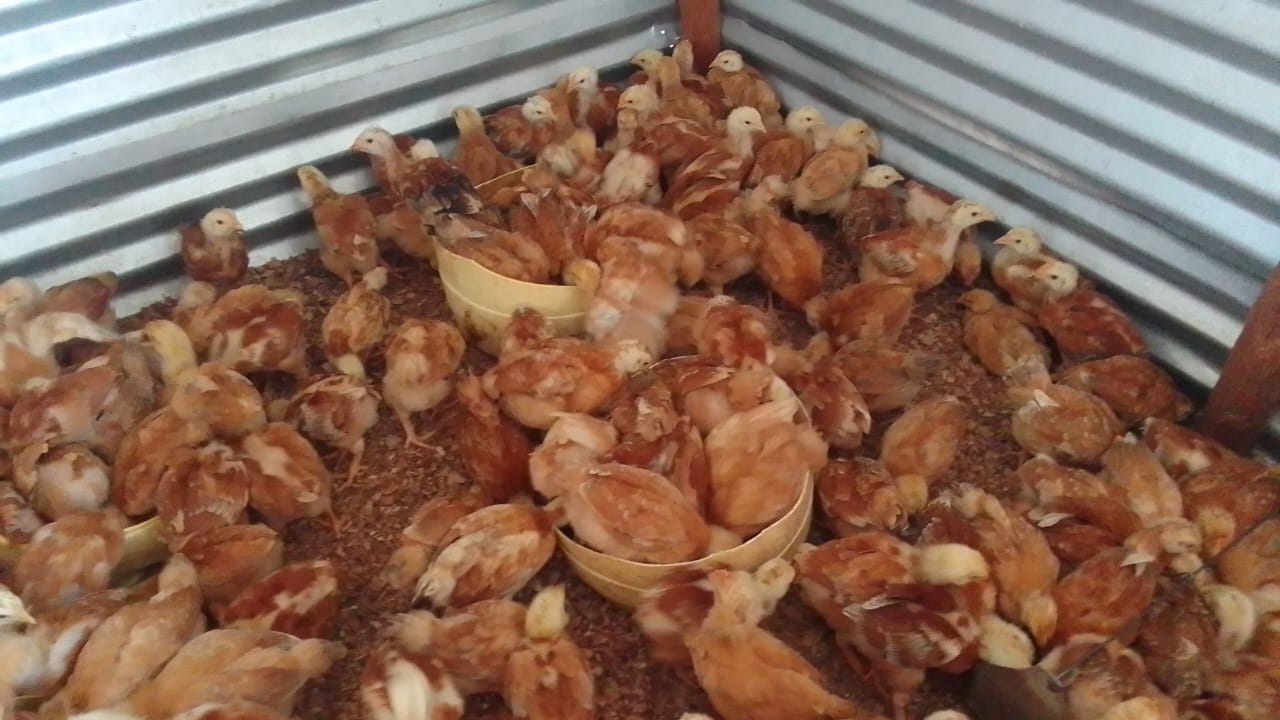
Chicks and Growers (0-18 weeks)
Initial Deworming: Typically not required in very young chicks if proper biosecurity is maintained. However, if raised in an environment with known high parasite pressure, a mild dewormer may be considered around 4-6 weeks of age.
Follow-up: Every 6-8 weeks until point of lay, especially for free-range or semi-intensive systems. Focus on broader spectrum dewormers that target common roundworms and tapeworms.
Layers and Breeders (18 weeks onwards)
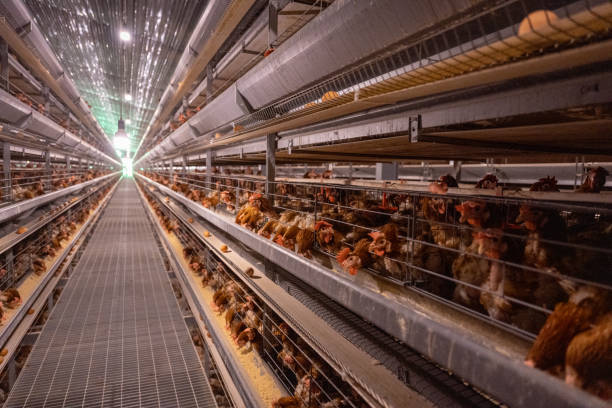
Routine Deworming: Every 8-12 weeks is a common recommendation for layers in free-range or deep litter systems. For caged layers with minimal soil contact, deworming might be extended to every 3-4 months, or based on fecal examination results.
Seasonal Adjustment: Increase frequency or apply treatments strategically during the rainy seasons (March-May and October-December) when parasite challenges are higher. This seasonal deworming approach helps break the parasite life cycle.
Broilers
Due to their short production cycle (6-8 weeks), routine deworming is often not a primary concern if chicks are sourced from clean environments and raised under strict biosecurity. However, if signs of infestation appear, a fast-acting dewormer with a short withdrawal period is necessary, after veterinary consultation.
Cost-Effective Solutions and Management Practices
Implementing a deworming program doesn't have to be expensive. Here are some cost-effective solutions and integrated management practices:
Strategic Use of Dewormers: Don't deworm just for the sake of it. Fecal sample testing (though sometimes costly for small-scale farmers) can help identify the specific worms present, allowing for targeted and more efficient use of appropriate dewormers. When choosing dewormers, consider their spectrum of activity, ease of administration, and withdrawal periods.
Rotation of Pastures/Pens: For free-range systems, rotating grazing areas helps break the parasite life cycle by moving birds away from contaminated ground.
Strict Biosecurity and Hygiene: Regular cleaning and disinfection of coops, feed, and water equipment reduce the build-up of parasite eggs. Ensure bedding is dry and changed regularly. Proper disposal of litter is also crucial.
Nutritional Support: Well-nourished birds are more resilient to parasitic infections. Provide a balanced diet to boost their immune system.
Herbal Remedies (Use with Caution): Some farmers explore traditional herbal dewormers (e.g., pawpaw seeds, garlic, pumpkin seeds).
While some show promise, their efficacy can vary, and they should not entirely replace conventional dewormers without proper research and veterinary advice. Always research and understand the dosages and potential side effects.
6. Control Intermediate Hosts: If tapeworms are a known problem, focus on controlling insects and other small creatures that act as intermediate hosts.
Conclusion
Effective parasite control through a well-planned deworming schedule for Kenyan climate is fundamental to maintaining a healthy and productive poultry flock. By understanding the common local parasite species, adopting a proactive and seasonal deworming strategy, and integrating cost-effective solutions and strong biosecurity measures, poultry farmers in Kenya can significantly reduce the impact of parasites, ensuring the long-term success and profitability of their enterprises.
Poultry Market Kenya is a dedicated poultry farming and agribusiness blog focused on empowering farmers, traders, and agri-entrepreneurs across Kenya. We publish practical, data-driven content covering poultry production, disease management, feeding strategies, housing, equipment reviews, and market insights.
Our goal is to bridge the gap between traditional poultry farming practices and modern, profitable methods by providing reliable information, expert guidance, and real-world case studies.