Benefits of Beddings in Poultry Farming: A Comprehensive Guide
Effective poultry farming relies on more than just quality feed and robust health management. A frequently overlooked, yet critically important aspect is the use of appropriate bedding materials, often referred to as litter. This article delves into the numerous benefits of using beddings in poultry farming, offering practical insights for farmers, feed makers, poultry companies, veterinarians, and students alike.
What is Poultry Bedding and Why is it Important?
Poultry bedding refers to the material spread on the floor of a poultry house to absorb moisture, provide insulation, and create a comfortable environment for the birds. Choosing the right bedding can significantly impact the health, productivity, and overall welfare of your flock.
Key Benefits of Using Beddings
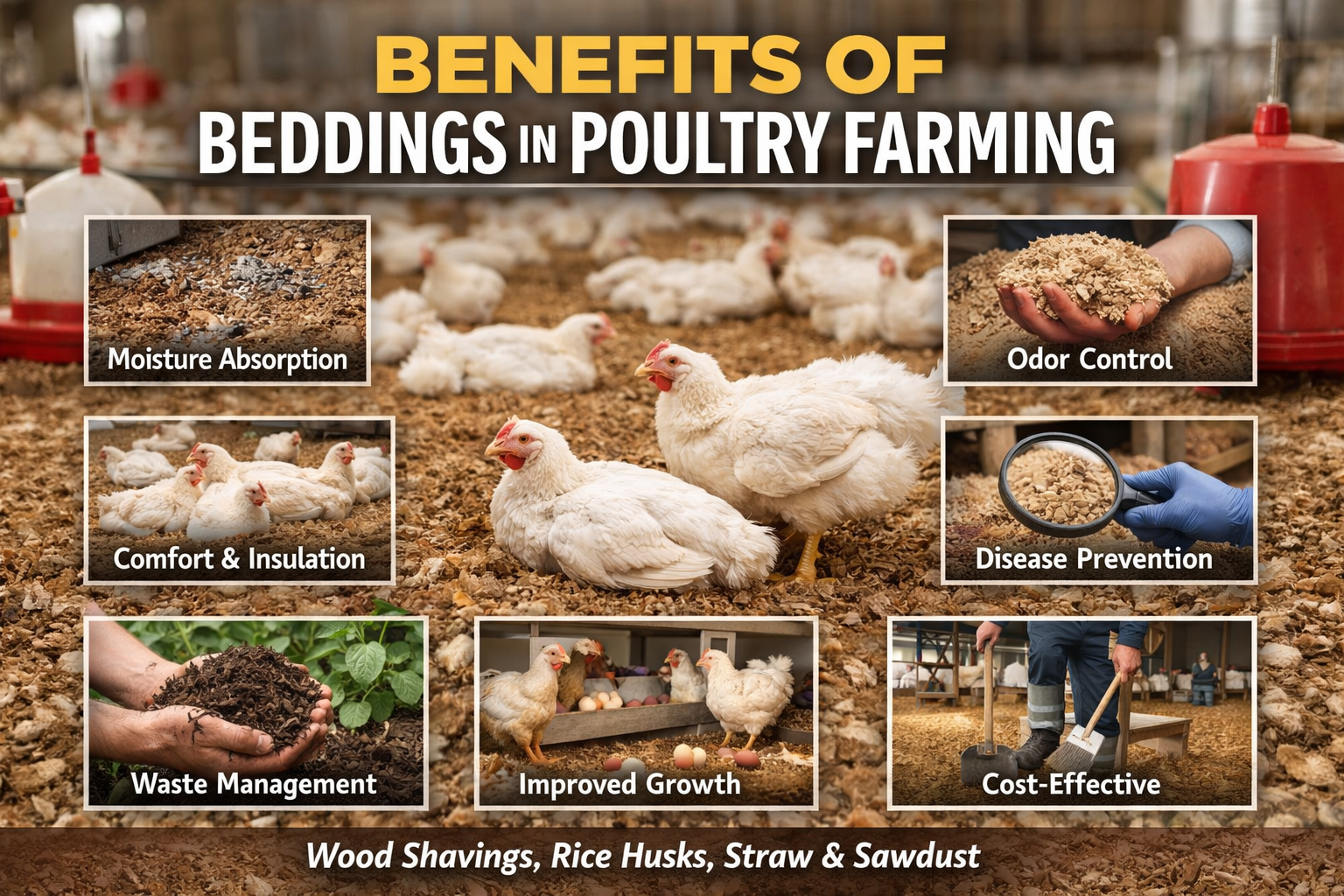
1. Moisture Absorption and Ammonia Control
Perhaps the most vital function of bedding is its ability to absorb moisture from bird droppings and spilled water. Wet litter fosters the growth of harmful bacteria and releases ammonia, a corrosive gas detrimental to poultry health. Ammonia irritates the respiratory system, leading to reduced weight gain, poor egg production, and even increased mortality. Good bedding effectively keeps the floor dry, minimizing ammonia buildup and maintaining air quality.
2. Comfort and Insulation
Bedding provides a cushioning layer, protecting birds from hard surfaces and reducing the risk of leg problems like hock burns and bumblefoot. Furthermore, it offers essential insulation, particularly crucial for young chicks or during colder months. Maintaining optimal temperature reduces stress and supports healthy growth.
3. Disease Prevention
A dry, clean bedding environment drastically reduces the incidence of bacterial and fungal infections. For instance, the risk of coccidiosis, a parasitic disease affecting the intestines, is significantly lower in well-maintained, absorbent bedding. This translates to lower veterinary costs and reduced reliance on medication.
4. Waste Management & Compost Potential
Used bedding, or litter, is a valuable resource. It's rich in nitrogen and other essential nutrients, making it an excellent component for composting. Composted litter can then be used as organic fertilizer, enriching soil and promoting sustainable farming practices.
5. Improved Growth and Productivity
Comfortable and healthy birds demonstrate improved feed conversion ratios, leading to faster growth rates and enhanced productivity. In layers, a comfortable environment translates to higher egg production and better egg quality. Broilers benefit from reduced stress and increased weight gain.
6. Cost-Effectiveness
While bedding represents an initial investment, its long-term cost-effectiveness is substantial. Properly managed bedding reduces the frequency of house cleaning, lowers labor costs, minimizes disease outbreaks (and associated treatment expenses), and improves overall flock performance.
Common Bedding Materials
Several materials are commonly used as poultry bedding, each with its advantages and disadvantages:
Wood Shavings: A popular choice, known for excellent absorbency and insulation. Ensure shavings are dust-extracted to minimize respiratory irritation.
Rice Husks: Widely available in rice-growing regions, offering good absorbency and affordability. However, they may break down more quickly than wood shavings.
Straw: A cost-effective option, particularly for older birds.
Requires more frequent replacement as it’s less absorbent than wood shavings or rice husks.
Sawdust: While absorbent, sawdust can become compacted and dusty, potentially causing respiratory issues. It's best used in combination with other bedding materials.
Best Practices for Bedding Management
Regularly Stir: Stirring the bedding helps redistribute moisture, promote aeration, and prevent compaction.
Maintain Depth: Keep the bedding at an appropriate depth (typically 2-4 inches) to ensure adequate absorbency and insulation.
Remove Wet Spots: Promptly remove any excessively wet areas to prevent ammonia buildup and disease.
Compost Properly: Follow established composting procedures to ensure the litter is effectively sanitized and converted into a valuable fertilizer.
Case Study: Impact of Bedding on Broiler Performance
A study conducted at a commercial broiler farm showed a significant improvement in bird weight and feed conversion ratio when switching from a sawdust-based bedding to wood shavings. The farm also reported a reduction in ammonia levels and fewer cases of respiratory disease. https://poultryworld.net/poultry-litter-management/
Poultry Market Kenya is a dedicated poultry farming and agribusiness blog focused on empowering farmers, traders, and agri-entrepreneurs across Kenya. We publish practical, data-driven content covering poultry production, disease management, feeding strategies, housing, equipment reviews, and market insights.
Our goal is to bridge the gap between traditional poultry farming practices and modern, profitable methods by providing reliable information, expert guidance, and real-world case studies.