In the dynamic world of poultry production, two critical challenges loom large: ensuring long-term sustainability and tackling the global threat of antibiotic resistance. Both issues demand innovative solutions that move beyond traditional farming practices. Enter Artificial Intelligence (AI) – a transformative technology poised to revolutionize how we approach these challenges, offering unprecedented tools for precision management, disease prevention, and enhanced traceability. This article delves into how AI-driven farming is actively reducing antibiotic use and dramatically improving traceability for a truly sustainable poultry industry.
The Urgent Need for Change: Antibiotic Stewardship and Sustainability
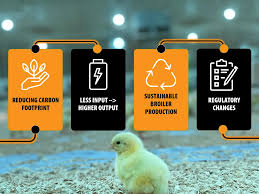
The overuse of antibiotics in livestock, including poultry, contributes significantly to the development of antimicrobial resistance (AMR), a public health crisis that threatens the effectiveness of vital medicines for both animals and humans. Simultaneously, the growing global demand for poultry products necessitates more efficient and environmentally responsible production methods. Sustainable poultry production is no longer a luxury but a necessity, encompassing everything from animal welfare and resource efficiency to minimizing environmental impact.
Meeting these demands requires a paradigm shift, and AI is emerging as the cornerstone of this evolution.
How AI is Revolutionizing Antibiotic Stewardship in Poultry
AI's ability to process vast amounts of data, identify patterns, and make predictive analyses is fundamentally changing how poultry health is managed, leading directly to reduced antibiotic dependence.
1. Predictive Analytics for Proactive Disease Prevention
One of AI's most impactful applications is its capacity for early disease detection. Traditional farming often relies on reactive measures once a disease outbreak is evident. AI systems, however, continuously monitor various parameters to predict potential health issues before they manifest clinically:
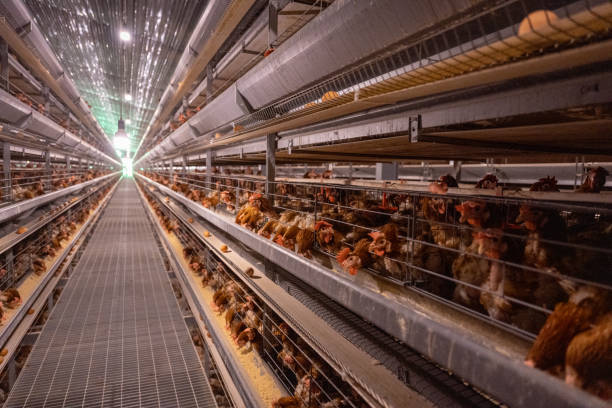
Behavioral Monitoring: AI-powered cameras and sensors track bird activity, movement patterns, feed intake, and water consumption. Subtle deviations from normal behavior can signal stress, discomfort, or the onset of illness. For example, a slight drop in water consumption across a flock might indicate an impending respiratory issue.
Environmental Control: AI integrates data from environmental sensors (temperature, humidity, ammonia levels, ventilation rates) to maintain optimal conditions. By predicting and adjusting environmental factors, AI minimizes stressors that can compromise immunity and make birds more susceptible to disease.
Sound Analysis: Specialized microphones and AI algorithms can analyze flock sounds to detect specific patterns associated with respiratory distress or other health problems, often before they are visible to the human eye.
By identifying these early warning signs, farmers can implement targeted interventions – adjusting feed, improving ventilation, or isolating specific birds for closer observation – thus preventing widespread outbreaks that would typically necessitate mass antibiotic treatment.
2. Precision Farming and Individual Animal Health Management
AI enables a level of precision previously unimaginable, moving away from a one-size-fits-all approach to flock management:
Individual Bird Identification: Advanced vision systems can identify individual birds, tracking their growth, health, and activity levels. This allows for individual health records and tailored interventions.
Automated Health Scoring: AI can assign health scores to individual birds or specific zones within a house, flagging those at risk and enabling precision treatments, reducing the need for blanket antibiotic administration to the entire flock.
Optimized Nutrition: AI algorithms analyze feed conversion rates, growth trajectories, and environmental data to recommend precise feed formulations that meet the exact nutritional needs of the flock at different growth stages, boosting natural immunity and reducing susceptibility to illness.
3. Data-Driven Decision Making and Veterinary Support
AI provides veterinarians and farm managers with powerful data analytics tools to make more informed decisions:
Performance Benchmarking: AI can compare current flock performance against historical data and industry benchmarks, highlighting areas for improvement.
Treatment Efficacy: Tracking the impact of different interventions allows for continuous optimization of health protocols, leading to more effective disease management with reduced antibiotic input.
Veterinary Consultations: Real-time data and AI-generated insights can be shared instantly with veterinarians, facilitating remote consultations and rapid, data-backed decisions.
Enhancing Traceability for Sustainable Poultry Production with AI
Traceability is paramount for consumer trust, food safety, and verifying sustainable practices. AI, often integrated with technologies like blockchain, offers unparalleled transparency from farm to fork.
1. Robust Data Capture and Management
AI systems automate the collection and analysis of vast amounts of data across the entire poultry lifecycle:
Hatchery to Processing: Every stage, from chick origin, vaccination records, feed batches, water consumption, environmental conditions, health treatments (including any antibiotic use), and processing data, can be meticulously recorded.
Automated Logging: AI-powered sensors and cameras automatically log events, reducing human error and ensuring data integrity.
Real-time Monitoring: Stakeholders can access real-time dashboards to view key performance indicators and ensure compliance with welfare and sustainability standards.
2. Farm-to-Fork Transparency and Consumer Confidence
Enhanced traceability, powered by AI, offers significant benefits:
Verified Claims: Consumers can scan a QR code on a poultry product and access verified information about its origin, farm conditions, feed history, and confirmation of antibiotic-free status, if applicable.
Food Safety and Recall Efficiency: In the event of a food safety issue, AI-enabled traceability allows for rapid identification of the source and precise product recalls, minimizing public health risks and economic impact.
Ethical Sourcing: Companies can use AI-driven traceability to demonstrate adherence to ethical labor practices and animal welfare standards, appealing to a growing segment of conscientious consumers.
3. Supply Chain Optimization and Waste Reduction
AI contributes to sustainability beyond health and traceability by optimizing the entire supply chain:
Logistics and Inventory: AI can predict demand, optimize transport routes, and manage inventory more efficiently, reducing waste and carbon footprint.
Resource Management: By providing precise data on feed and water consumption, AI helps farmers optimize resource use, further enhancing sustainability.
The Benefits Across the Board
For Poultry Farmers: Improved flock health, reduced production costs, better market access, and enhanced profitability through optimized resource use and reduced risks.
For Feed Makers: Data-driven insights into nutrient utilization and performance, allowing for more precise and effective feed formulations.
For Poultry Companies: Stronger brand reputation, compliance with evolving regulations, improved operational efficiency, and a verifiable commitment to sustainability.
For Veterinarians and Students: New powerful tools for disease management, real-time data for research, and enhanced educational opportunities in precision livestock farming.
Conclusion: A Sustainable Future, Powered by AI
The integration of AI into poultry farming is not merely an incremental improvement; it represents a fundamental shift towards a more sustainable, ethical, and efficient industry. By enabling proactive disease prevention, precision health management, and unparalleled traceability, AI significantly reduces the reliance on antibiotics while building greater consumer trust and operational transparency. As the poultry sector continues to evolve, embracing AI technologies will be crucial for meeting the demands of a growing global population responsibly and sustainably.
Are you ready to explore how AI can transform your poultry operations? Investigate the smart farming solutions available today to step into a more sustainable and profitable future.
Poultry Market Kenya is a dedicated poultry farming and agribusiness blog focused on empowering farmers, traders, and agri-entrepreneurs across Kenya. We publish practical, data-driven content covering poultry production, disease management, feeding strategies, housing, equipment reviews, and market insights.
Our goal is to bridge the gap between traditional poultry farming practices and modern, profitable methods by providing reliable information, expert guidance, and real-world case studies.