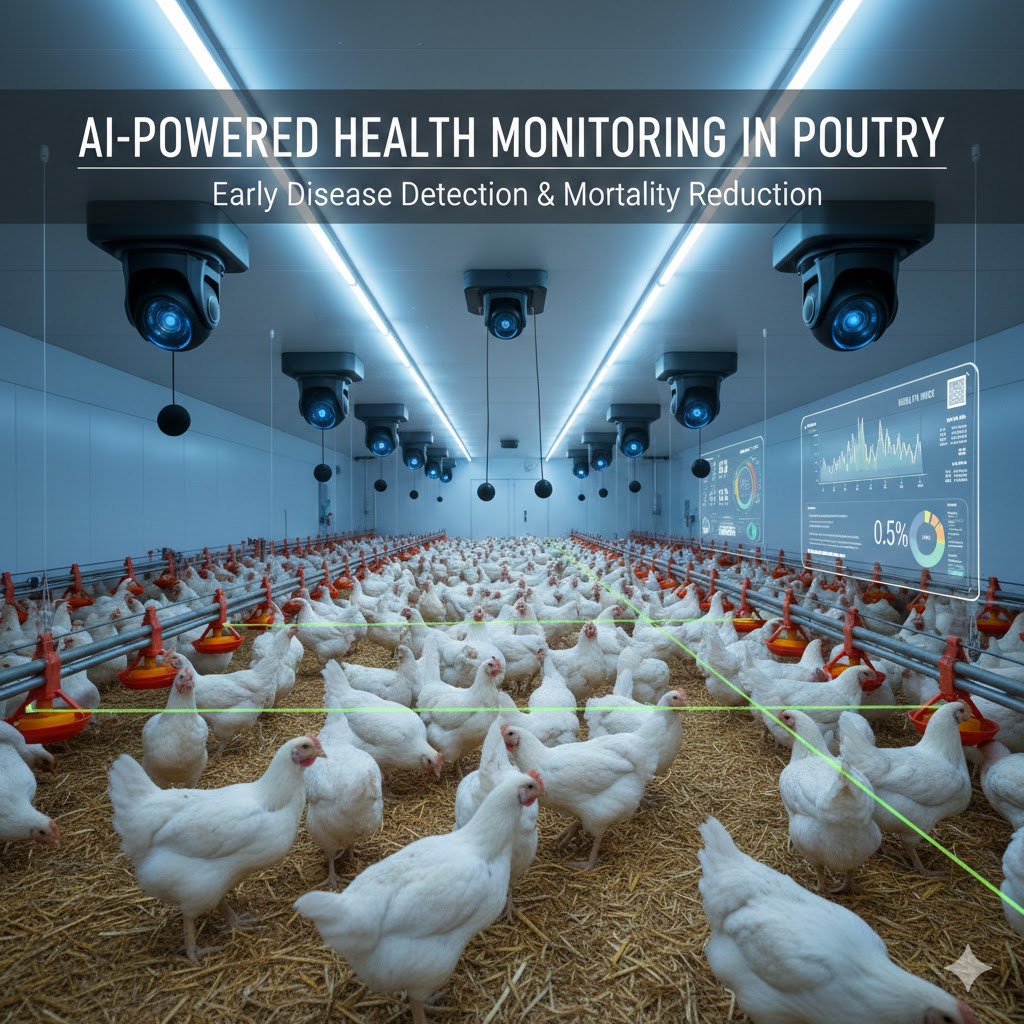
In the dynamic world of poultry farming, maintaining flock health is paramount for productivity and profitability. Traditional methods of disease detection often rely on visual inspections by farm staff, which can be subjective, time-consuming, and reactive rather than proactive. This approach frequently leads to delayed interventions, increased mortality rates, and significant economic losses. However, a new era is dawning, powered by Artificial Intelligence (AI), offering unprecedented capabilities for early disease detection and mortality reduction in poultry. By leveraging advanced AI systems, including computer vision, motion tracking, and sound analysis, poultry operations can transition from reactive management to predictive health monitoring, ensuring healthier flocks and more sustainable practices.
The Urgent Need for Advanced Health Monitoring
The scale and density of modern poultry operations make individual bird monitoring a monumental challenge. Diseases can spread rapidly, devastating entire flocks before symptoms become overtly visible to the human eye. This rapid transmission necessitates a robust system that can identify subtle deviations from normal behavior or physiology at the earliest possible stage. AI-powered health monitoring offers exactly this—a continuous, objective, and highly sensitive surveillance system that works tirelessly to safeguard your birds.
Computer Vision: Unlocking Behavioral Insights
Computer vision systems are at the forefront of AI-driven poultry health. High-resolution cameras strategically placed within poultry houses capture continuous video footage of the flock. This data is then fed into AI algorithms trained to recognize normal poultry behavior. Key aspects monitored include:
Activity Levels: Changes in overall flock activity, such as unusual lethargy or excessive restlessness, can indicate stress or the onset of illness.
Posture and Gait Analysis: Subtle alterations in how birds stand, walk, or hold their wings can be early indicators of lameness, skeletal issues, or systemic diseases.
Feed and Water Intake Patterns: AI can track how frequently birds visit feeders and water lines, identifying deviations from normal consumption that signal health problems.
Social Interactions: Unusual pecking, huddling, or isolation behaviors can point to stress, discomfort, or sickness within the flock.
By analyzing these visual cues, computer vision can flag potential health issues long before they become widespread, allowing for targeted intervention.
Motion Tracking: Detecting the Undetectable
Building upon computer vision, motion tracking technologies delve deeper into the nuances of bird movement. This involves using advanced algorithms to track individual birds or groups within the flock, analyzing their movement patterns over time. This sophisticated analysis can identify:
Subtle Changes in Locomotion: Even before a bird visibly limps, motion tracking can detect minor changes in its walking stride or speed, signaling musculoskeletal issues or early stage infections.
Clustering and Dispersion Patterns: Abnormal huddling in specific areas (indicating cold stress or illness) or unusual dispersion (suggesting heat stress) can be automatically identified.
Reduced Foraging Behavior: A decrease in exploratory movements or active foraging, crucial for feed intake, can be a symptom of various diseases. AI can quantify these reductions with precision.
The ability of motion tracking to identify these minute behavioral shifts provides an unparalleled advantage in early disease detection, giving farmers a critical window for intervention.
Sound-Based AI Systems: Listening to Your Flock's Health
Beyond visual cues, the sounds emanating from a poultry house offer a wealth of diagnostic information. Sound-based AI systems utilize microphones and sophisticated audio processing algorithms to analyze the acoustic environment of the flock. These systems are trained to distinguish between normal flock sounds and those indicative of distress or respiratory issues. They can detect:
Coughs and Sneezes: AI can accurately identify and count instances of coughing and sneezing, which are primary indicators of respiratory diseases like Infectious Bronchitis or Mycoplasmosis.
Distress Calls: Changes in the frequency or intensity of distress calls can signal pain, discomfort, or an imminent problem within the flock.
Changes in Vocalization Patterns: A general decrease in flock vocalization or an increase in unusual noises can also be a subtle sign of widespread malaise.
By continuously monitoring these acoustic signatures, sound-based AI provides an invaluable tool for proactively addressing respiratory health challenges, a major concern in poultry production.
The Impact: Early Disease Detection and Mortality Reduction
The integration of computer vision, motion tracking, and sound-based AI systems creates a powerful, multi-modal health monitoring platform. This synergy leads to significant benefits:
Earlier Disease Identification: Detecting issues days before human observation allows for prompt isolation of affected birds, targeted treatment, and prevention of widespread outbreaks.
Reduced Medication Use: Pinpointing specific areas or birds requiring treatment minimizes the need for mass medication, reducing costs and concerns about antibiotic resistance.
Improved Animal Welfare: Identifying and addressing distress or discomfort promptly enhances the living conditions and well-being of the birds.
5. Enhanced Productivity: Healthier birds grow faster, convert feed more efficiently, and produce better quality products, leading to higher yields and profitability.
6. Data-Driven Decision Making: AI systems generate actionable data and insights, empowering farmers, veterinarians, and feed makers to make informed decisions regarding farm management, biosecurity, and nutritional strategies.
Implementing AI in Your Poultry Operation
For poultry farmers, feed makers, poultry companies, veterinarians, and students, understanding and adopting these technologies is crucial. Start by researching reputable AI solution providers. Consider pilot programs to integrate AI systems into a section of your farm. Focus on systems that offer user-friendly interfaces, robust data analytics, and customizable alerts. Training your staff on how to interpret AI insights and respond to automated alerts will be key to successful implementation.
Conclusion
AI-powered health monitoring is not just a futuristic concept; it's a present-day solution that is fundamentally transforming poultry farming. By harnessing the capabilities of computer vision, motion tracking, and sound-based AI systems, the industry can achieve unprecedented levels of early disease detection and mortality reduction. This technological leap promises not only healthier, more productive flocks but also a more efficient, ethical, and sustainable future for poultry production worldwide. Embrace AI to safeguard your investment and elevate your operation to the next level of excellence.