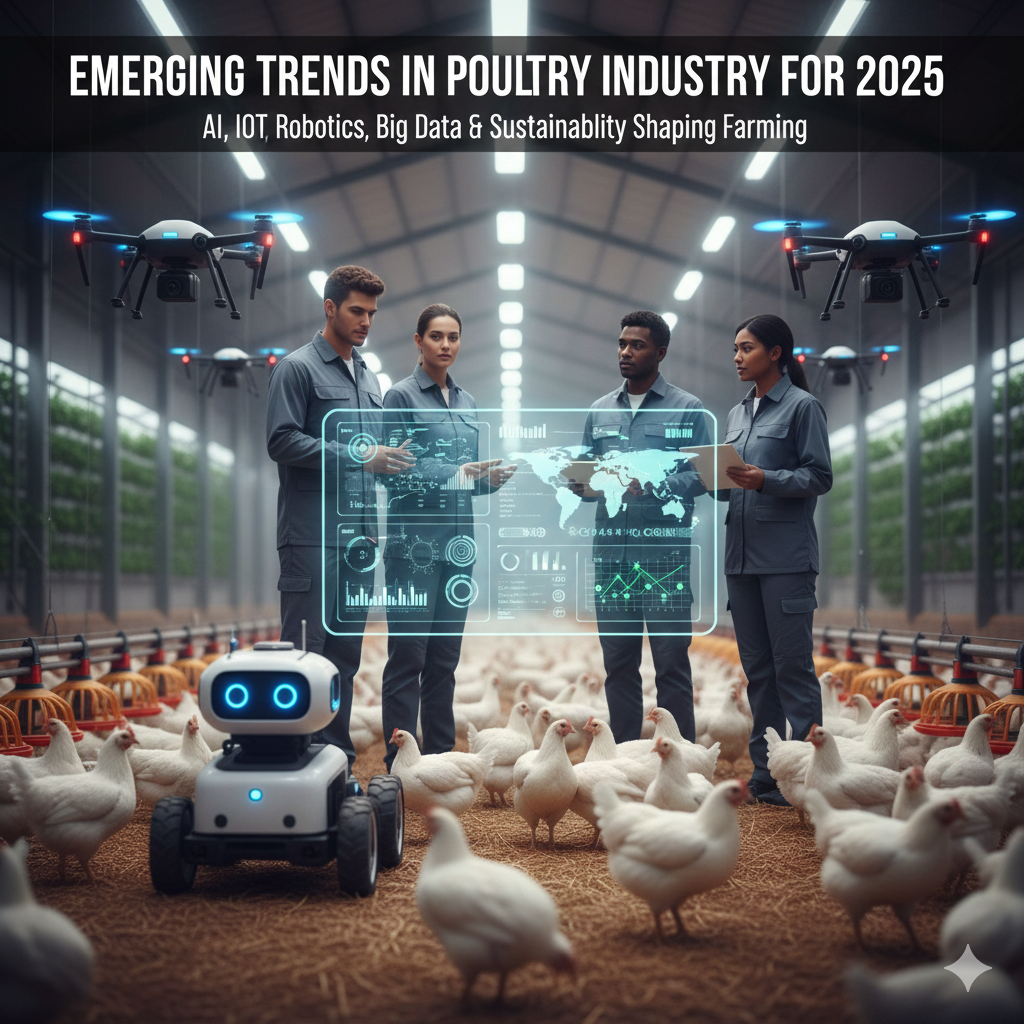
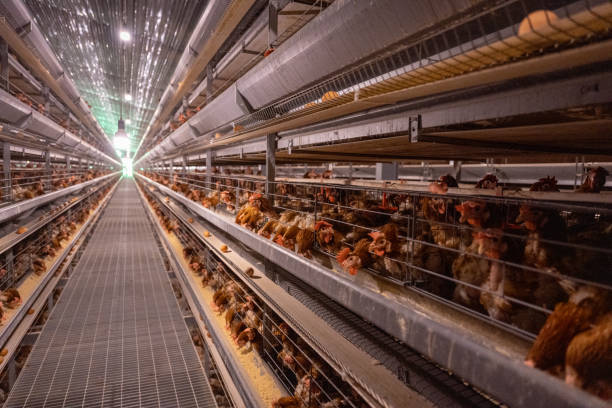
In the dynamic world of poultry farming, the pursuit of efficiency, profitability, and sustainability has never been more critical. Traditional farming methods, while foundational, are increasingly being augmented, and even transformed, by cutting-edge technology. Welcome to the era of the AI-driven poultry house, where the convergence of the Internet of Things (IoT) and predictive analytics is not just a concept, but a tangible reality, redefining how we manage our flocks and resources. This isn't just about automation; it's about intelligence, precision, and a proactive approach to farm management that benefits farmers, birds, and the planet.
Precision Resource Management: Optimizing for a Greener Future
The cornerstone of sustainable poultry farming is efficient resource utilization. Every drop of water, every gram of feed, and every watt of energy counts. IoT sensors, integrated throughout modern poultry houses, act as the eyes and ears of an intelligent system, continuously monitoring a vast array of environmental parameters. Imagine sensors tracking:
Temperature and Humidity: Ensuring optimal thermal comfort, crucial for bird health and growth.
Ammonia and CO2 Levels: Detecting harmful gas buildups that can compromise respiratory health.
Light Intensity and Schedule: Mimicking natural cycles to reduce stress and promote natural behaviors.
Feed and Water Consumption: Real-time monitoring of intake patterns, identifying anomalies that could signal health issues or equipment malfunctions.
But raw data alone isn't enough. This is where Artificial Intelligence (AI) steps in. AI algorithms process these massive datasets, identifying patterns and making instantaneous, informed decisions. For instance, if temperature rises above an ideal range, AI can automatically adjust ventilation fans, activate misters, or even recommend specific heating adjustments. When feed intake dips unexpectedly, the system can alert the farmer, prompting an early investigation. This intelligent optimization leads to:
Reduced Waste: Precise feed delivery minimizes spillage and overfeeding, saving costs and natural resources.
Energy Efficiency: Climate control systems powered by AI only consume energy when necessary, significantly lowering utility bills and carbon footprint.
Improved Conversion Rates: Optimal environmental conditions mean healthier birds that convert feed more efficiently, boosting productivity and profitability.
This level of precision is impossible with manual oversight alone, fundamentally transforming resource management from reactive to predictive and profoundly sustainable.
Predictive Health & Biosecurity: The Sentinel of the Flock
Disease outbreaks and biosecurity breaches pose immense threats to poultry operations, leading to significant economic losses and welfare concerns. The AI-driven poultry house employs sophisticated monitoring techniques to detect issues long before they become widespread, offering an unparalleled level of proactive health management and biosecurity enforcement.
Early Disease Detection
Computer Vision: High-resolution cameras, coupled with AI, continuously observe flock behavior. They can identify subtle changes in gait, posture, activity levels, feather condition, and even individual bird movements. An unusually sedentary group, or birds huddling together more than normal, could indicate stress or illness. The AI learns what constitutes 'normal' behavior and flags deviations for immediate human review.
Acoustic Monitoring: Microphones placed strategically throughout the house capture soundscapes.
AI algorithms are trained to recognize patterns indicative of distress, such as changes in vocalization frequency, coughing, sneezing, or abnormal peeping. These pre-symptomatic alerts enable farmers to intervene swiftly, isolating affected birds, administering treatment, and preventing the spread of disease, thereby minimizing medication use and mortality rates.
Real-time Biosecurity Protocol Enforcement
Biosecurity is the first line of defense against pathogens. AI and IoT tools enhance this crucial aspect:
Foot Traffic Monitoring: Sensors and computer vision track the movement of personnel and vehicles around and within the farm. AI can detect unauthorized access, ensure proper sanitization protocols (e.g., foot dips, hand washing stations) are followed, and even log entry/exit times to pinpoint potential contamination sources.
Access Control: Integrated systems can manage door access, ensuring only authorized personnel enter specific zones, further reducing biosecurity risks.
Automated Alerts: Any deviation from established biosecurity protocols triggers immediate alerts to management, allowing for instant corrective action.
This robust, always-on monitoring system transforms biosecurity from a manual, often fallible process into an intelligent, data-driven defense mechanism.
Sustainability Metrics: Verifiable Data for a Demanding World
Consumers, regulators, and investors are increasingly demanding transparency and verifiable proof of sustainable practices. The AI-driven poultry house doesn't just operate sustainably; it proves it. These digital tools generate a treasure trove of granular, verifiable data that is invaluable for Environmental, Social, and Governance (ESG) reporting and demonstrating a reduced carbon footprint.
Carbon Footprint Reporting: Data on energy consumption, feed conversion ratios, and waste production directly feeds into carbon footprint calculations.
Farmers can accurately measure and report their greenhouse gas emissions, identifying areas for further reduction.
Resource Utilization Metrics: Detailed logs of water usage, feed consumption per bird, and mortality rates provide tangible evidence of efficient resource management.
Animal Welfare Standards: Behavioral monitoring data can substantiate claims of improved animal welfare, demonstrating reduced stress levels and optimized living conditions.
Regulatory Compliance: Automated data collection simplifies compliance with ever-evolving environmental and animal welfare regulations, reducing administrative burdens and potential penalties.
By providing auditable, real-time data, poultry operations can confidently meet the growing demands for accountability. This transparency not only builds trust with consumers and stakeholders but also positions farms favorably in a competitive market, potentially unlocking access to new markets and financing options that prioritize sustainable practices.
The Future is Now: Embracing Smart Poultry Farming
The AI-driven poultry house is no longer a futuristic dream but a present-day reality offering unparalleled advantages. For poultry farmers, veterinarians, feed makers, and poultry companies, embracing IoT and predictive analytics means unlocking new levels of efficiency, enhancing animal welfare, and achieving verifiable sustainability. The integration of these technologies is not merely an upgrade; it's a fundamental shift towards a more intelligent, resilient, and responsible approach to food production. The journey towards truly sustainable poultry farming begins with a commitment to innovation, and the AI-driven poultry house is leading the way.
Are you ready to transform your operation and join the revolution in smart poultry farming? The data-driven future is here, promising a brighter, more sustainable horizon for the entire industry.
Poultry Market Kenya is a dedicated poultry farming and agribusiness blog focused on empowering farmers, traders, and agri-entrepreneurs across Kenya. We publish practical, data-driven content covering poultry production, disease management, feeding strategies, housing, equipment reviews, and market insights.
Our goal is to bridge the gap between traditional poultry farming practices and modern, profitable methods by providing reliable information, expert guidance, and real-world case studies.