From Crisis to Industry Leader: The Kiambu Group's Remarkable Evolution
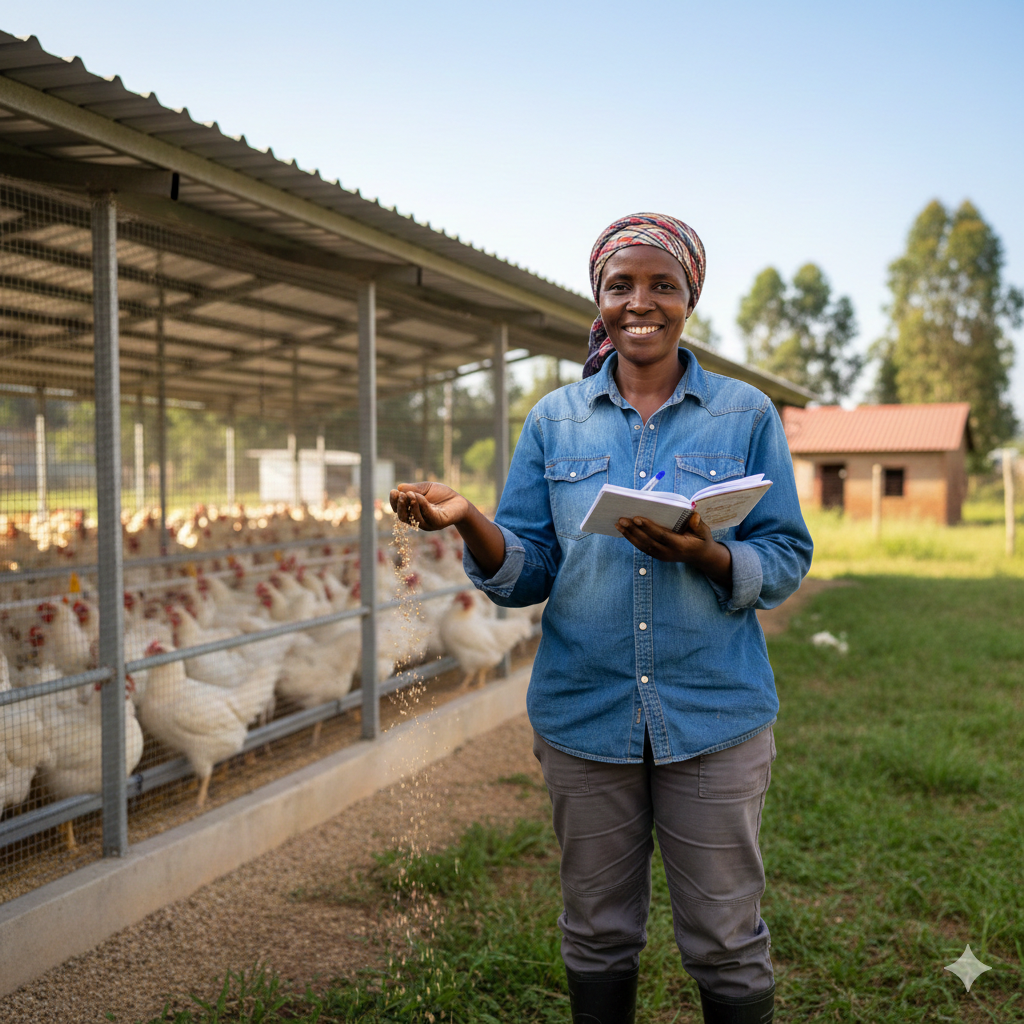
The Kiambu Poultry Farmers Cooperative stands as a powerful testament to the resilience and vision of Kenyan farmers. What began as a desperate response to a market crisis has blossomed into a multi-million shilling feed operation, with ambitious plans for a slaughterhouse and egg bakery. This article details the cooperative’s incredible journey, offering valuable lessons for poultry farmers, feed makers, and the wider agricultural community.
The Genesis: A Response to Market Failure
In 2016, Kiambu poultry farmers faced an acute crisis. The market was flooded with cheap imported poultry products, drastically undercutting local producers and threatening their livelihoods. Feed costs were also soaring, squeezing profit margins even further. Recognizing the urgent need for collective action, a group of farmers came together to form the Kiambu Poultry Farmers Cooperative.
Initially, the cooperative focused on direct marketing, attempting to bypass exploitative middlemen. However, this proved insufficient to address the fundamental issues of market instability and high feed costs. A pivotal decision was made: to take control of the feed supply chain.
Taking Control: Investing in a Feed Operation
The cooperative embarked on an ambitious project to establish its own feed manufacturing plant. This required significant capital investment, which was secured through a combination of member contributions, loans, and grants.
According to The Organic Farmer, the cooperative meticulously planned its operations, prioritizing quality and cost-effectiveness. They sourced raw materials locally whenever possible, reducing their reliance on imports and supporting other Kenyan farmers. The plant began operations in 2018, initially producing feed for the members' own flocks.
Key Strategies for Success
Bulk Purchasing: The cooperative leveraged its collective bargaining power to purchase raw materials in bulk, securing significant discounts.
Quality Control: Strict quality control measures were implemented throughout the feed manufacturing process, ensuring that the feed met the nutritional needs of the birds.
Local Sourcing: Prioritizing locally sourced ingredients not only reduced costs but also boosted the local economy.
Value Addition: The cooperative focused on producing high-quality, value-added feed products that commanded a premium price in the market.
Expanding Horizons: A Multi-Million Shilling Enterprise
The success of the feed operation exceeded all expectations. Demand quickly outstripped supply, prompting the cooperative to expand its production capacity. Today, the Kiambu Poultry Farmers Cooperative boasts a modern feed plant capable of producing several tons of feed per day.
The cooperative’s revenue has grown exponentially, transforming it into a multi-million shilling enterprise. They now supply feed to farmers across Kiambu County and beyond. Profits are reinvested in the business and distributed among members, further strengthening the cooperative’s financial position.
Future Plans: Slaughterhouse and Egg Bakery
The Kiambu Poultry Farmers Cooperative is not resting on its laurels. They have ambitious plans to further expand their operations, adding a slaughterhouse and egg bakery to their portfolio. These ventures will allow the cooperative to capture a larger share of the poultry value chain, increasing profitability and creating more opportunities for its members.
“We want to be a one-stop shop for poultry farmers,” explains one of the cooperative’s leaders. “From feed to processing to marketing, we want to provide all the services they need to succeed.”
Lessons Learned and Actionable Insights
The Kiambu Poultry Farmers Cooperative’s journey offers several key lessons for aspiring agricultural entrepreneurs:
Collaboration is Key: Collective action can empower farmers to overcome challenges that they could not address individually.
Value Chain Control: Taking control of the value chain can significantly improve profitability and reduce vulnerability to market fluctuations.
Strategic Investment: Investing in infrastructure and technology can enhance productivity and competitiveness.
Visionary Leadership: Strong leadership is essential for driving innovation and inspiring confidence.
For Poultry Farmers: Consider joining or forming a cooperative to leverage collective bargaining power and share resources.
For Feed Makers: Focus on quality control, local sourcing, and value addition to differentiate your products in the market.
For Investors: Recognize the potential of investing in farmer-led cooperatives and value-added agricultural enterprises.
For more information on cooperative development, visit the State Department for Cooperatives website: https://www.cooperatives.go.ke/.
Conclusion: A Beacon of Hope
The Kiambu Poultry Farmers Cooperative’s story is a beacon of hope for Kenyan agriculture. It demonstrates that with vision, determination, and collaboration, farmers can overcome adversity and build thriving businesses. The cooperative’s future plans for a slaughterhouse and egg bakery promise to further solidify its position as an industry leader, creating more opportunities for farmers and contributing to the growth of the Kenyan economy.
Poultry Market Kenya is a dedicated poultry farming and agribusiness blog focused on empowering farmers, traders, and agri-entrepreneurs across Kenya. We publish practical, data-driven content covering poultry production, disease management, feeding strategies, housing, equipment reviews, and market insights.
Our goal is to bridge the gap between traditional poultry farming practices and modern, profitable methods by providing reliable information, expert guidance, and real-world case studies.