Imagine two farmers, each with 100 laying hens. At the end of the year, one sells roughly 28,000 eggs while the other barely reaches 18,000. Same feed budget, same housing, same effort. The difference? The breeds they chose. Picking the right egg-laying breed is one of the most profitable decisions you will ever make on your poultry farm — and one of the easiest to get wrong.
This guide walks you through 20 proven high egg-producing breeds, what makes each one special, and how to match the right bird to your farm, your climate, and your market.
Why Breed Choice Directly Affects Your Profit
Egg production is a numbers game. A hen laying 300 eggs a year versus one laying 180 eggs means roughly 120 extra eggs per bird annually. Multiply that by 500 birds and you are looking at 60,000 extra eggs from the same number of feeders in the coop.
But raw egg numbers are not everything. You also need to consider:
- Feed conversion efficiency — how much feed it takes to produce one egg
- Hardiness — can the breed handle your climate and local disease pressure?
- Temperament and broodiness — broody hens stop laying
- Egg color and size — does your market prefer brown or white eggs?
- Foraging ability — important if you run a free-range or semi-intensive system
Research comparing breeds under low-protein diets and floor housing systems found that some heritage-type hens matched or even outperformed commercial hybrids in egg production, with better overall feed conversion. That means the "best" breed depends on your system, not just the catalog numbers.
The Commercial Superstars
These are the breeds (and hybrids) developed specifically for intensive egg production. If your goal is maximum eggs per shilling of feed, start here.
1. White Leghorn
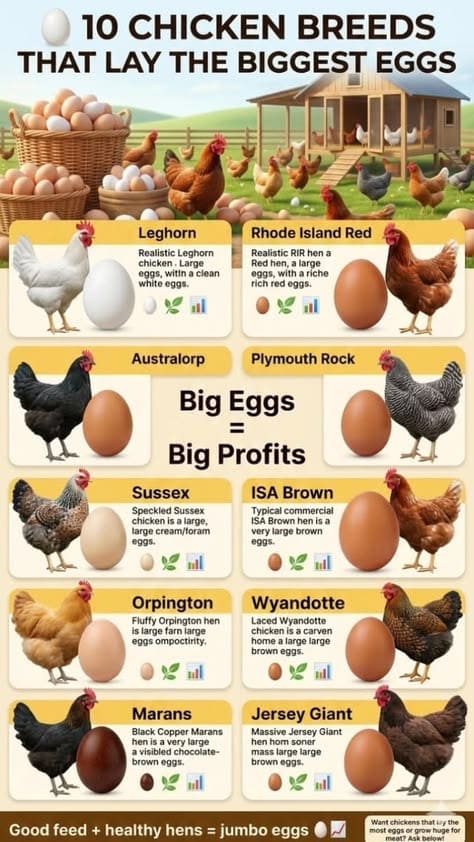
The backbone of the global white egg industry. Most commercial white-egg strains worldwide have been developed from the Single Comb White Leghorn. Expect 280–320 eggs per year. They are light eaters, which keeps feed costs down, but they can be flighty and nervous.
2. Brown Leghorn
A prolific layer producing up to 300 white eggs annually. Known for early maturity, hardiness, and excellent foraging skills — a strong option for free-range setups. Their non-broody nature keeps production consistent.
3. Rhode Island Red
The classic dual-purpose bird and the genetic foundation of most brown-egg commercial strains. Expect 250–300 brown eggs per year. Hardy, calm, and forgiving of beginner mistakes.
4. ISA Brown
A commercial hybrid famous for laying 300+ large brown eggs in its first year. Gentle and easy to manage, making it a favorite for small-scale farmers.
5. Lohmann Brown / Lohmann LSL
Widely used commercial hybrids. The LSL (white egg) and Brown lines are benchmarks in layer performance trials, consistently producing 300+ eggs with excellent feed efficiency.
6. Hisex White and Hisex Brown
Other proven commercial hybrids used in comparative production studies. Reliable, uniform, and bred specifically for high output under farm conditions.
7. Golden Comet
A sex-link hybrid laying around 280–300 brown eggs yearly. Sex-linking means you know you are getting pullets at hatch — no surprise roosters.
8. Australorp
Holds a world record reputation — one hen famously laid 364 eggs in 365 days. Realistically expect 250–300 eggs. Calm, glossy black, and well suited to backyard and smallholder flocks.
Hardy Dual-Purpose Breeds
Dual-purpose birds give you eggs plus a decent carcass at end of lay. Training materials for extension workers note that improved dual-purpose birds grow faster than local birds, have less fat, taste better, and lay more eggs — while still being good scavengers. That matters if your birds forage for part of their diet.
9. Plymouth Rock
Friendly, easy to tame, and famously willing to lay through winter when other breeds slow down. Around 200–280 eggs per year.
10. Buff Orpington
A gentle, cold-hardy layer producing 200–280 eggs. Broodier than Leghorns, but a reliable choice for family flocks.
11. New Hampshire
Faster maturing than the Rhode Island Red it was developed from. Around 200–280 large brown eggs plus good meat value.
12. Wyandotte
Attractive, cold-tolerant, and steady at 200–240 eggs per year. Handles confinement and free-range equally well.
13. Sussex
An alert, curious forager laying 200–250 eggs. One of the oldest British breeds and still farm-worthy.
14. Barnevelder
Lays 180–200 dark brown eggs that command premium prices in specialty markets.
15. Marans
Famous for chocolate-brown eggs. Fewer eggs (150–200), but the unique color can fetch higher prices where buyers value novelty.
Efficient and Specialty Layers
16. Ancona
A Mediterranean breed — the class known for light bodies built for high egg production. Around 200–250 white eggs, excellent foragers.
17. Minorca
The largest Mediterranean breed, laying 200+ large white eggs. Thrives in warm climates.
18. Hamburg
Small, active, and economical on feed. Around 200 eggs per year, and superb at finding its own food on range.
19. Fayoumi
An Egyptian breed with remarkable disease resistance and heat tolerance — worth considering in hot climates. Around 150–200 eggs, but very low maintenance.
20. Swedish Flower Hen and Similar Heritage Layers
Heritage breeds like the Swedish hen have, in research comparisons, matched or exceeded hybrid egg production under lower-protein diets with better feed conversion. Worth exploring if you run an organic or low-input system.
How to Choose the Right Breed for Your Farm
Ask yourself these questions before buying chicks:
- What does my market want? In many Kenyan and East African markets, brown eggs and brown-feathered birds sell more easily. In others, white eggs dominate. Check before you commit.
- What is my feeding system? Commercial hybrids need quality commercial feed to hit their numbers. If you rely partly on scavenging, a dual-purpose or heritage breed makes more sense.
- What is my climate? Heat-tolerant breeds (Fayoumi, Leghorn, Minorca) outperform heavy breeds in hot regions.
- Am I selling eggs only, or end-of-lay birds too? Dual-purpose breeds give you a second income stream when laying stops.
A quick illustration: if a hybrid layer produces 300 eggs a year and a dual-purpose bird produces 220, the hybrid gives you 80 more eggs per bird. But if the dual-purpose bird eats less purchased feed and sells for more at end of lay, the profit gap may shrink or even reverse. Run the numbers for your feed costs and your market prices — never assume the highest layer is automatically the most profitable.
Common Mistakes to Avoid
- Buying on egg numbers alone without checking feed requirements
- Mixing too many breeds with different feed and space needs in one small house
- Ignoring broodiness — a broody Orpington sitting on eggs is eggs you cannot sell
- Forgetting replacement costs — hybrids often peak hard in year one, then decline faster than heritage breeds
Final Thoughts
There is no single "best" egg-laying breed — only the best breed for your system, your climate, and your buyers. Commercial hybrids like the ISA Brown and Leghorn strains win on raw output. Dual-purpose birds like the Rhode Island Red and Australorp win on flexibility and resilience. The smartest farmers match the bird to the business plan, not the other way around.
Which breeds are you currently keeping, and how are they performing for you? Drop your experience in the comments — your real-world results could help another farmer make a better choice. If you found this breakdown useful, share it with a fellow poultry keeper, and follow Poultry Market for more practical, no-nonsense farming guides.