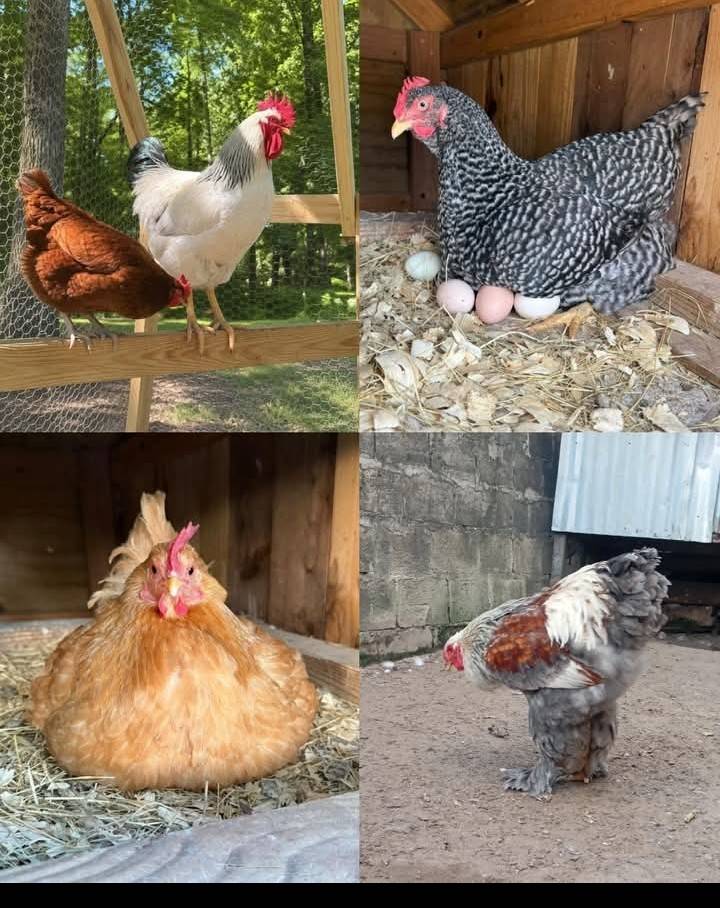
Kenya’s poultry industry is a cornerstone of agricultural livelihoods, with egg production playing a vital role in both household nutrition and commercial profitability. For smallholder and commercial farmers, selecting the right egg-laying chicken breed is critical to achieving high yields, feed efficiency, and long-term profitability. This guide breaks down the top-performing breeds—such as White Leghorns, ISA Browns, and Black Australorps—based on data-driven metrics, and provides actionable insights to optimize your poultry operations.
Why Egg-Laying Breeds Matter for Kenyan Farmers
In Kenya, poultry farming contributes significantly to food security and income generation. According to the Poultry Training Manual for Extension Workers in Uganda, improved breeds outperform local chickens in growth rates, egg production, and disease resistance. For instance, while indigenous chickens may lay only 40–60 eggs annually, high-yield layers can produce 280–350 eggs per year under optimal conditions. Choosing the right breed ensures:
- Higher profitability through consistent egg output
- Lower feed costs due to efficient feed conversion ratios (FCR)
- Resilience to local climate and disease challenges
Top 5 High-Yield Egg-Laying Chicken Breeds in Kenya
1. White Leghorn
Annual Yield: 280–300 eggs Feed Conversion Ratio (FCR): 2.2–2.5 kg feed per egg Climate Suitability: Thrives in warm, arid regions
The White Leghorn is a global standard for commercial egg production. Its lightweight frame and exceptional laying capacity make it ideal for smallholder and large-scale operations in Kenya. However, it requires protection from predators and cold nights due to its minimal body fat. Farmers in arid regions like Kitui and Makueni have reported consistent yields of 280+ eggs annually with proper housing and feed management Kenchic Layers.
Key Traits:
- Lightweight (1.5–2.5 kg)
- Excellent heat tolerance
- High eggshell quality (light brown to white)
2. ISA Brown
Annual Yield: 300–320 eggs FCR: 2.1–2.4 kg feed per egg Climate Suitability: Adaptable to moderate to warm climates
The ISA Brown is a hybrid breed renowned for its robustness and high egg production. It is a popular choice in Kenya due to its ability to maintain productivity even in fluctuating temperatures. Farmers in regions like Nyeri and Murang’a have achieved peak laying rates of 320 eggs per year with proper lighting and nutrition.
Key Traits:
- Dark red plumage
- Strong disease resistance
- High feed efficiency
3. Black Australorp
Annual Yield: 250–280 eggs FCR: 2.3–2.6 kg feed per egg Climate Suitability: Thrives in cooler highland areas
The Black Australorp is a dual-purpose breed valued for both meat and eggs. While its egg output is slightly lower than White Leghorns or ISA Browns, its hardiness and cold tolerance make it ideal for highland regions like Nakuru and Nyandarua. Its dark feathers and meat are also preferred in local markets.
Key Traits:
- Cold-resistant (ideal for highlands)
- Dual-purpose (meat + eggs)
- Hardy and disease-resistant
4. Kenchic Layers
Annual Yield: Over 330 eggs FCR: 2.0–2.3 kg feed per egg Climate Suitability: Versatile across most regions
Developed locally, Kenchic Layers are a hybrid breed tailored to Kenyan conditions. With claims of over 330 eggs per year, they are a top choice for commercial farmers. Their adaptability to both extensive and intensive systems makes them suitable for smallholder setups with limited resources Kenchic Layers.
Key Traits:
- High peak production (330+ eggs)
- Low mortality rates
- Scavenging ability
5. Rhode Island Red
Annual Yield: 220–260 eggs FCR: 2.5–2.8 kg feed per egg Climate Suitability: Warm to moderate climates
Though not as prolific as the top three breeds, Rhode Island Reds are a reliable choice for farmers seeking a balance between egg production and meat yield. They are particularly suited to free-range systems in regions like Mombasa and Kisumu.
Key Traits:
- Dual-purpose breed
- Good foragers
- Moderate egg output
How to Choose the Right Breed for Your Farm
1. Assess Your Climate and Infrastructure
- Hot, arid regions (e.g., Turkana, Tana River): Opt for White Leghorns or Kenchic Layers.
- Cool highlands (e.g., Kakamega, Bomet): Black Australorps are ideal.
- Moderate climates (e.g., Nairobi, Thika): ISA Browns or Kenchic Layers thrive.
2. Evaluate Feed and Cost Constraints
High-yield breeds like ISA Browns and Kenchic Layers require balanced diets with 16–18% protein during the laying phase. Use the Poultry Training Manual’s feed tables (Table 12) to design cost-effective rations. For example, a 19–72-week breeder diet should include 16% crude protein and 2,800–2,900 metabolizable energy (ME) Poultry Training Manual.
3. Prioritize Disease Resistance
Improved breeds are more resilient than native chickens but still require vaccination. Follow the routine vaccination schedule (Table 15) to protect against Newcastle, Gumboro, and Marek’s disease. For instance, administer IBD (Infectious Bursal Disease) at 14 days and Coccidiosis vaccines at 1 and 14 days Poultry Training Manual.
Practical Management Tips for High-Yield Egg Production
1. Optimize Housing and Lighting
- Stocking density: Maintain 5–7 birds per square meter in open-sided houses (Table 14).
- Lighting program: Provide 16 hours of light daily during the laying phase (Table 13). Use timers to simulate sunrise/sunset.
2. Implement Efficient Feeding Strategies
- Layer feed: Switch to 16% protein feed at 18 weeks.
- Mineral supplementation: Add calcium (3–4%) and phosphorus to support eggshell quality.
- Water access: Ensure clean, uninterrupted water supply; layers drink 200–300 ml/day.
3. Monitor Health and Egg Quality
- Mortality tracking: Report sudden deaths to a veterinarian immediately.
- Eggshell inspection: Cracked or soft shells indicate calcium deficiency.
- Nest box management: Provide 1 nest per 5–6 hens to reduce floor eggs.
Case Study: Profitability of High-Yield Layers in Kenya
A 2023 study in Nakuru County compared ISA Browns and local chickens. Farmers using ISA Browns achieved:
- 300% higher egg yield (320 vs. 80 eggs/year)
- 25% lower feed costs due to better FCR
- Sh12,000 profit/month from 500 hens vs. Sh3,000 with local breeds
This highlights the transformative impact of adopting improved breeds in Kenya’s poultry sector.
Key Takeaways
| Breed | Annual Yield | FCR | Best Suited For |
|---|---|---|---|
| White Leghorn | 280–300 eggs | 2.2–2.5 | Arid regions |
| ISA Brown | 300–320 eggs | 2.1–2.4 | Moderate climates |
| Black Australorp | 250–280 eggs | 2.3–2.6 | Cool highlands |
| Kenchic Layer | 330+ eggs | 2.0–2.3 | Nationwide |
| Rhode Island Red | 220–260 eggs | 2.5–2.8 | Warm regions |
Conclusion
Selecting the right egg-laying chicken breed is a game-changer for Kenyan farmers. Breeds like White Leghorn, ISA Brown, and Kenchic Layers deliver unmatched yields and profitability when paired with sound management practices. For high-quality chicks and expert guidance, visit Poultry Market Kenya—your one-stop platform for sourcing top-performing poultry stock.
If you found this helpful, please support, follow, like, comment, and share the blog through the platform.