Imagine collecting eggs from your laying boxes and finding shells in shades of sky blue and turquoise mixed in with the usual browns and whites. Customers at farmers' markets stop and stare. Some will pay a premium just for the novelty. Blue eggs are real, they're laid by specific breeds, and adding a few of these birds to your flock is easier than most farmers think.
But before you rush out to buy chicks, there's something important to understand: not every bird sold as a "blue egg layer" actually lays blue eggs, and these breeds come with trade-offs compared to the commercial hybrids you may already keep. Let's walk through four breeds worth considering, what makes their eggs blue, and how to decide if they fit your farm.
Why Are Some Eggs Blue?
Blue egg color is a genetic trait. The blue pigment, called oocyanin, is deposited throughout the shell as it forms inside the hen, which means a blue egg is blue all the way through the shell. Brown eggs, by contrast, only have pigment on the outer surface.
This is worth knowing for two reasons. First, egg color has nothing to do with nutrition or taste — a blue egg tastes like any other egg from a hen on the same diet. Second, because the trait is genetic, breed choice is everything. You cannot feed or manage a brown-egg hen into laying blue eggs. If blue eggs are your goal, you need the right genetics from day one.
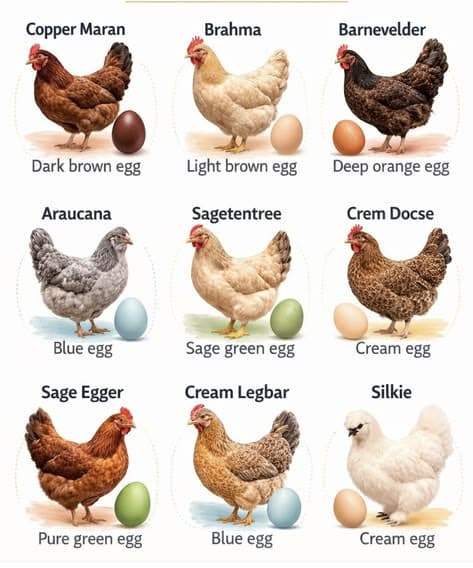
1. Araucana
The Araucana is the original blue egg layer, originating from Chile. It's an unusual-looking bird — many have distinctive tufted feathers near the ears and no tail (a trait called rumplessness), along with a pea comb.
Araucanas lay eggs ranging from pale sky blue to deep turquoise. They tend to be friendly and curious birds, which makes them pleasant to keep in a small flock.
Here's the catch: true Araucanas are rare and often expensive. The same genes that cause the ear tufts are linked to reduced hatchability, so breeding them is tricky. Many birds sold as "Araucanas" are actually crosses. If you're buying, ask the breeder directly whether the birds are purebred and whether the parent stock lays genuinely blue eggs.
2. Ameraucana
The Ameraucana was developed in the United States, partly to give farmers a blue egg layer without the Araucana's breeding difficulties. Ameraucanas have beards and muffs (fluffy feathers on the face) instead of ear tufts, and they have tails.
They lay eggs in shades of blue and blue-green, and they're generally hardy, calm birds that handle confinement reasonably well. For a smallholder who wants reliable blue eggs without the headaches of rare-breed breeding, the Ameraucana is often the most practical starting point.
One warning: hatcheries sometimes sell mixed birds labeled "Americana" or "Easter Egger" (more on those below) under the Ameraucana name. True Ameraucanas are a recognized breed with specific characteristics, so buy from a source you trust.
3. Cream Legbar
The Cream Legbar is a British breed with a charming crest of feathers on its head and soft gray and cream plumage. It's famous for laying beautiful blue to blue-green eggs, and it has one huge practical advantage: it's autosexing.
That means male and female chicks can be distinguished at hatching by their down color. If you've ever raised a batch of chicks and ended up with half a dozen cockerels you didn't plan for, you'll appreciate how much money and frustration this saves. You can buy day-old pullets with confidence.
Cream Legbars are active, alert foragers. They do well in free-range or semi-free-range systems, which suits many small-scale setups. They're medium-sized birds, so they won't eat like heavy dual-purpose breeds, but they're also not as feed-efficient as modern commercial layers.
4. Easter Egger
The Easter Egger isn't a formal breed — it's a mixed bird carrying the blue egg gene, usually with Araucana or Ameraucana ancestry. Don't let that put you off. Easter Eggers are widely available, usually cheaper than purebreds, and often hardy and productive.
Their eggs can be blue, green, olive, or even pinkish-brown, and a single hen will lay the same color throughout her life. If you want a colorful egg basket rather than strictly blue eggs, Easter Eggers are a fun and economical choice.
The downside is unpredictability. Because they aren't standardized, you won't know a hen's exact egg color until she starts laying, and production varies bird to bird.
The Honest Trade-Offs
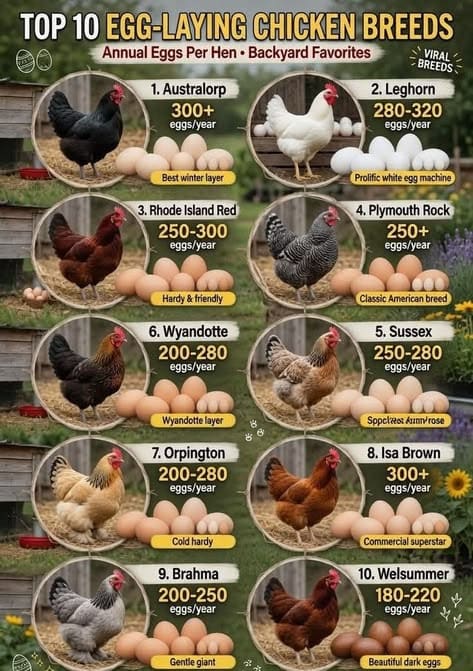
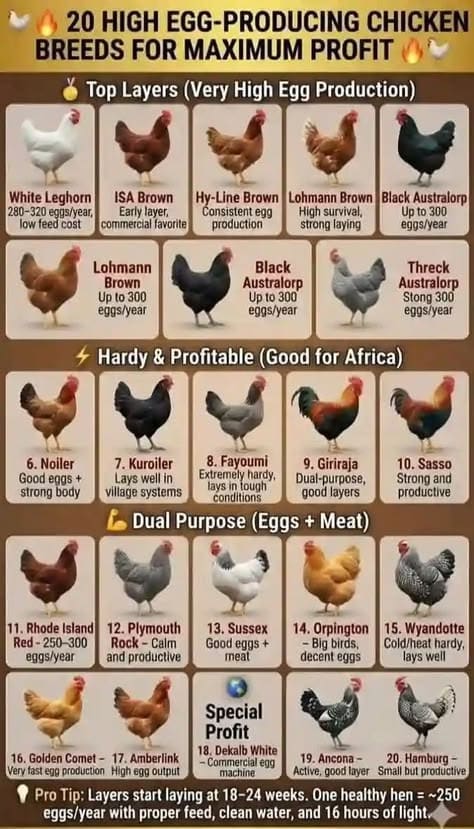
Before you convert your whole flock, let's be realistic. Research comparing traditional and heritage breeds with modern commercial hybrids consistently shows the same pattern: traditional breeds tend to have heavier body weights, lower rates of lay, and higher feed costs per egg than hybrids like the Lohmann or Hisex lines. Some studies have found feed costs for traditional breeds roughly 1.5 to 2 times those of Leghorn-type birds.
Blue egg breeds fall into this traditional category. Depending on the breed and your management, expect fewer eggs per year than a commercial layer — and expect to feed the birds through longer unproductive periods.
So why bother? Because you're not competing with commercial egg producers. You're serving a different market:
- Premium and novelty markets — colored eggs stand out at farmers' markets, farm shops, and for direct-to-customer sales
- Hatching egg and chick sales — demand for these breeds among hobby keepers can make breeding more profitable than egg sales
- Diversification — a few dozen blue egg layers can add interest to an existing flock without replacing your main production birds
Have you thought about who would actually buy your blue eggs, and at what price? That question matters more than which breed you pick. If your local market won't pay a premium, the extra feed cost eats your margin fast.
Practical Tips Before You Buy
- Start small. Ten to twenty birds is enough to test your market before scaling up.
- Verify the source. Ask breeders for photos of eggs from the parent flock. Blue egg claims are easy to make and hard to prove after the sale.
- Budget for feed. Heavier traditional breeds eat more. Estimate your feed needs with a simple calculation: number of birds × daily intake per bird × days. For example, 20 birds eating roughly 120 g each per day consume about 2.4 kg daily, or around 72 kg per month. Adjust for your actual birds and feed.
- Plan housing for active birds. Legbars especially like to forage. Secure, spacious runs will keep them productive and safe from predators.
- Don't expect hybrid-level output. If your income depends purely on egg volume, keep your commercial layers and treat blue egg birds as a side enterprise.
The Bottom Line
Araucanas, Ameraucanas, Cream Legbars, and Easter Eggers can all put beautiful blue eggs in your basket — but they reward a farmer who has a market in mind, not just a love of pretty shells. Match the breed to your goals: Cream Legbars for autosexing convenience, Ameraucanas for reliable blue eggs, Araucanas for the purist's challenge, and Easter Eggers for affordable variety.
Follow Poultry Market for more practical guides on breeds, feeding, and making poultry pay. Have you kept any of these breeds? Drop a comment with your experience — which ones laid the bluest eggs for you? And if you know a farmer who's curious about colored eggs, share this with them.