Imagine two backyard flocks of 20 hens each. One flock gives you 16 eggs a day; the other gives you 9. Same feed, same housing, same labour — but one breed choice quietly doubled the harvest. That difference is why breed selection matters more than almost any other decision you'll make when setting up a laying flock, whether you're keeping a handful of birds behind your house in Nairobi or running a few hundred layers on a small commercial plot.
The tricky part is that "best" depends on your situation. A bird that tops the charts in a climate-controlled commercial house may disappoint you in a free-range backyard. A heritage breed that lays fewer eggs might outlast a high-production hybrid by years. This guide walks through ten proven egg-laying breeds, what each one realistically delivers, and how to match the right bird to your farm, your climate, and your budget.
Before You Choose: Hybrid vs. Heritage vs. Dual-Purpose
Nearly every breed list you'll read mixes three very different categories of chickens, and confusing them leads to bad decisions.
Commercial hybrids (like Golden Comets, ISA Browns, and Lohmann strains) are crosses developed by a handful of multinational genetics companies. White-egg strains trace back largely to the Single Comb White Leghorn, while brown-egg strains were developed mainly from crosses involving Rhode Island stock. These birds are egg machines — but they burn out faster, usually after two strong laying years.
Heritage and traditional breeds (like Australorps, Orpingtons, and Wyandottes) are purebred birds. Research comparing traditional breeds with modern hybrids consistently shows that heritage birds carry heavier body weights and produce a lower rate of lay. What they give back is longevity, hardiness, and often better flavour at the end of lay.
Dual-purpose breeds sit in the middle. They are generally more docile and hardier than Leghorn-type birds, but they eat more feed. Most lay brown-shelled or coloured eggs, and their meat at the end of lay is considered more flavourful than that of young birds — a real advantage if you plan to sell or eat spent hens.
Interestingly, the gap isn't always as wide as people assume. In a Swedish study, a traditional Swedish hen kept under free-range conditions actually matched or exceeded the egg production of conventional hybrids (Lohmann LSL and Hisex strains) on a low-protein diet in a floor system — and did it with better overall feed conversion efficiency. Management and diet can narrow the breed gap considerably.
Keep that framework in mind as we go through the list.
1. Golden Comet
If your only goal is maximum eggs for minimum fuss, the Golden Comet is hard to beat. These sex-link hybrids lay roughly 250–300 eggs per year, start laying early (often around 16–18 weeks), and are famously docile — a genuine advantage if children help with the flock.
The trade-off is lifespan and burnout. Comets pour so much energy into laying that production drops sharply after year two, and they're more prone to reproductive issues than heritage birds. Think of them as a two-season investment, not a lifetime flock.
Best for: Beginners and smallholders who want fast, heavy production.
2. White Leghorn
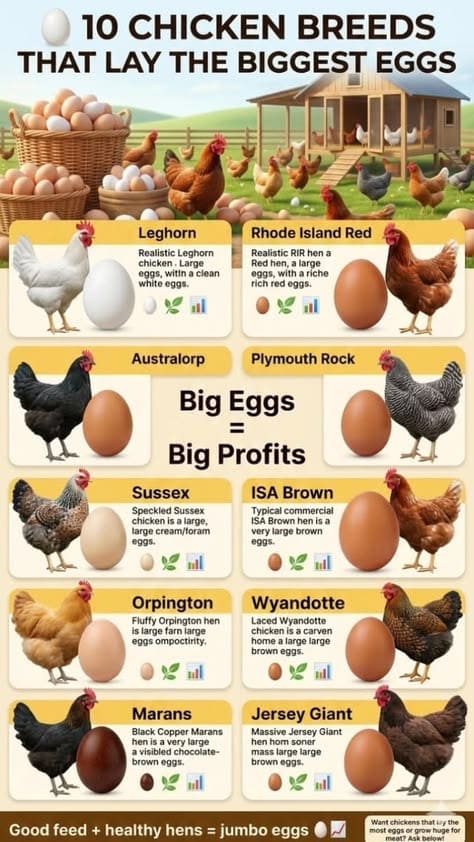
The Leghorn is the bird behind the global white-egg industry, and for good reason: outstanding feed conversion and 280+ white eggs a year are typical. If you're selling eggs commercially where white eggs are accepted, the Leghorn's feed efficiency directly protects your margins.
The downsides are personality and cold tolerance. Leghorns are flighty, nervous birds that don't enjoy handling, and their large combs are vulnerable in cold climates. In warm regions — including most of Kenya — that last point barely matters, which is one reason Leghorn-type birds remain popular there.
Best for: Feed-efficient commercial-style production in warm climates.
3. Australorp
The Australorp holds a legendary record: one hen famously laid 364 eggs in 365 days under test conditions. Real backyard birds won't match that, but 250–300 brown eggs a year from a calm, glossy-black heritage bird is still excellent.
Australorps handle confinement and free-ranging equally well, tolerate heat reasonably, and are gentle enough for family flocks. They'll also go broody occasionally — great if you want to hatch your own replacements, annoying if you don't.
Best for: Keepers who want near-hybrid production from a heritage bird.
4. Rhode Island Red
The Rhode Island Red is the foundation breed behind most modern brown-egg hybrids, and the original still earns its place. Expect 250–300 brown eggs per year, excellent hardiness, and a bird that forages aggressively — which can trim your feed bill if you have range space.
One honest warning: roosters of this breed have a reputation for aggression, and some hens are assertive too. They're not mean, exactly — just confident. Handle them regularly from chickhood and it rarely becomes a problem.
Best for: Free-range systems and keepers wanting a tough, self-reliant layer.
5. ISA Brown
The ISA Brown is the brown-egg counterpart to the Leghorn's white-egg dominance — a commercial hybrid you'll find in battery cages and backyard coops alike. Production of 300+ eggs in the first year is common, and unlike Leghorns, ISA Browns are remarkably friendly and calm.
Like the Golden Comet, expect intense production for about two years followed by a steep decline. If you're running numbers for a small commercial venture, plan your flock replacement cycle around that curve rather than hoping the birds will keep laying at peak.
Best for: Maximum brown-egg output with a pleasant temperament.
6. Plymouth Rock
The Barred Plymouth Rock is an American classic, first bred in Massachusetts in the early 19th century. It comes in many colour varieties — Partridge, Silver Penciled, White, Blue, Buff, Columbian and more — but the Barred variety remains the most famous.
This is a true dual-purpose bird: around 200–280 eggs a year, a heavy body worth something at end of lay, and a calm disposition. Rocks are a favourite among organic producers in the USA, though it's worth noting there's a lack of published peer-reviewed research comparing these heritage breeds specifically under organic systems — most of the enthusiasm comes from farmer experience rather than controlled trials.
Best for: Dual-purpose flocks and cold climates.
7. Sussex
The Sussex is one of the oldest British breeds and one of the most underrated backyard layers. Expect 200–250 eggs a year (light brown to tinted), outstanding foraging ability, and a curious, friendly personality that makes them easy to manage.
Sussex hens mature a bit slower than hybrids, so your feed investment before first egg is higher. But they lay well through winter compared to many breeds and stay productive for more seasons than a hybrid will.
Best for: Free-range keepers who value longevity over peak output.
8. Wyandotte
Golden Laced Wyandottes might be the most beautiful bird on this list, and they back it up with 200–240 brown eggs a year and exceptional cold hardiness thanks to their rose combs, which resist frostbite.
Wyandottes are steady rather than spectacular layers, but they keep laying through weather that shuts other breeds down. If your winters are harsh, a bird that lays consistently in January beats a bird that lays brilliantly only in June. They are somewhat aloof — not unfriendly, just independent.
Best for: Cold-climate flocks where winter production matters.
9. Orpington
Buff Orpingtons are the golden retrievers of the chicken world: big, fluffy, gentle, and endlessly patient with children. Production runs around 180–220 large brown eggs a year — modest by hybrid standards, but reliable over several seasons.
Two things to know. First, Orpingtons are prone to broodiness, which pauses laying but makes them superb natural mothers. Second, their heavy build means a bigger feed bill per bird. If you're calculating cost per egg, a hybrid wins; if you're calculating cost per year of productive life plus end-of-lay value, the Orpington looks much better.
Best for: Family flocks and keepers who hatch their own chicks.
10. Easter Egger
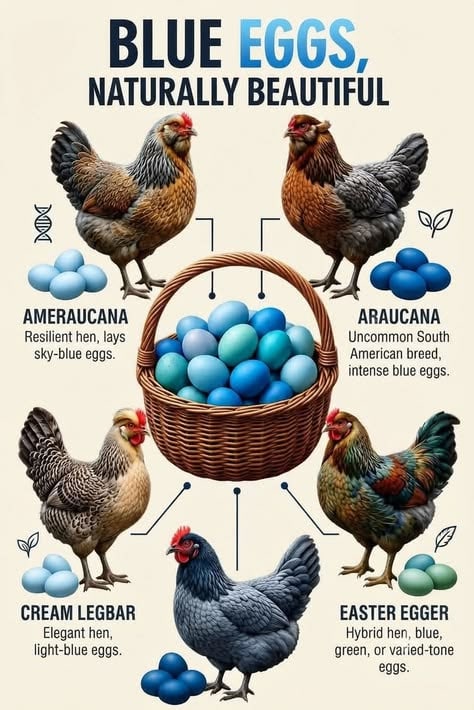
Easter Eggers aren't a true breed — they're mixed-ancestry birds carrying the blue-egg gene — but they've earned their spot through sheer practicality. Expect 200–280 eggs a year in shades of blue, green, or occasionally pink, from hardy, adaptable birds.
Because they're not standardised, individual birds vary in size, colour, and output. Buy from a reputable source and that variability becomes charm rather than risk. Coloured eggs can also command a premium at farmers' markets and from customers who want something different for their breakfast table.
Best for: Small market sellers and keepers who want a colourful egg basket.
Quick Comparison at a Glance
| Breed | Eggs/Year (approx.) | Temperament | Type |
|---|---|---|---|
| Golden Comet | 250–300 | Very docile | Hybrid |
| White Leghorn | 280+ | Flighty | Lightweight layer |
| Australorp | 250–300 | Calm | Heritage/dual-purpose |
| Rhode Island Red | 250–300 | Assertive | Dual-purpose |
| ISA Brown | 300+ (year one) | Friendly | Hybrid |
| Plymouth Rock | 200–280 | Calm | Dual-purpose |
| Sussex | 200–250 | Curious, gentle | Dual-purpose |
| Wyandotte | 200–240 | Independent | Dual-purpose |
| Orpington | 180–220 | Extremely gentle | Dual-purpose |
| Easter Egger | 200–280 | Variable, usually friendly | Mixed |
These figures are typical ranges, not guarantees — strain, feed quality, housing, daylight, and health all shift real-world numbers up or down.
Matching the Breed to Your Actual Situation
Lists are easy. Decisions are harder. Here's how to think it through.
If you're selling eggs commercially
Feed is your biggest cost — typically the majority of production expenses — so feed conversion efficiency matters more than any other trait. That's why commercial operations worldwide run Leghorn-type birds for white eggs and Rhode Island-derived hybrids for brown eggs.
Here's a simple way to compare two options. Suppose Bird A eats 115 g of feed per day and lays 6 eggs a week, while Bird B eats 130 g but lays 7 eggs a week:
- Bird A: 115 g × 7 days ÷ 6 eggs ≈ 134 g of feed per egg
- Bird B: 130 g × 7 days ÷ 7 eggs = 130 g of feed per egg
Bird B wins on efficiency despite eating more. Run this calculation with your own birds' actual feed intake and lay rate before committing to a breed at scale — and remember that feed prices, mortality, and egg selling price will ultimately determine whether either bird is profitable.
If you're in a hot climate (including most of Kenya)
Heat tolerance and feed availability should drive your choice. Leghorn-type birds and Rhode Island Reds handle heat well. Heavy, fluffy breeds like Orpingtons can struggle in hot, humid lowlands unless you provide shade and good ventilation. For urban keepers in places like Nairobi with limited space, a docile hybrid like the ISA Brown or Golden Comet gives maximum eggs per square metre of coop — just plan for replacement pullets every couple of years.
If winters are cold where you farm
Prioritise rose or pea combs and heavier bodies: Wyandottes, Plymouth Rocks, and Orpingtons. Avoid large single combs unless your coop stays frost-free.
If you want meat as well as eggs
Go dual-purpose: Rocks, Sussex, Reds, or Orpingtons. As noted earlier, dual-purpose birds eat more than Leghorn types, but their meat at end of lay carries more flavour, and most lay brown or coloured eggs that many local markets prefer.
Common Mistakes When Choosing Laying Breeds
Buying on egg numbers alone. A 300-egg hybrid that dies of heat stress or burns out in 18 months can underperform a 220-egg heritage bird that lays steadily for four years. Count lifetime eggs, not first-year eggs.
Ignoring broodiness. If you never want to hatch chicks, heavily broody breeds (Silkies, many Orpington lines) will cost you weeks of production. If you do want natural hatching, broodiness is a feature, not a bug.
Mixing extreme body types in one pen. Flighty Leghorns and placid Orpingtons in the same small run often means the timid birds get bullied off the feeder. Match temperaments or provide multiple feeding stations.
Forgetting the replacement plan. Hybrids need replacing on a cycle. Decide before you buy whether you'll rear your own pullets (in which case keep a broody heritage hen or two) or buy point-of-lay birds each cycle.
The Bottom Line
There is no single "best" egg-laying breed — there's only the best breed for your climate, your market, your feed budget, and your management style. For raw output, Golden Comets and ISA Browns lead. For feed efficiency, Leghorns. For a balance of production, hardiness, and longevity, Australorps and Rhode Island Reds are the sweet spot for most backyard flocks. And for cold climates, family flocks, or coloured-egg niche markets, Wyandottes, Orpingtons, and Easter Eggers each earn their keep. Check this for Newcastle Disease in Chickens: Nervous Signs Explained
Start with a small number of one or two breeds, track their actual lay rate and feed intake for a season, and let your own records — not anyone's list, including this one — make the final call.
Which breeds are performing best in your flock right now? Drop your experience or questions in the comments — other farmers reading this will learn from what you've seen. And if you found this breakdown useful, share it with a fellow poultry keeper who's still deciding what to stock. Follow Poultry Market for more practical, no-nonsense guides on raising profitable, healthy birds.