Complete Chick Vaccination Schedule From Day-Old: Your Essential Poultry Health Guide
Vaccination is the cornerstone of successful poultry farming in Kenya. A well-structured immunization program protects your birds from devastating diseases, reduces mortality rates, and ensures consistent egg production and meat quality. This comprehensive guide walks you through the complete vaccination schedule from Day 1 through Week 18, including the diseases you're protecting against and administration methods.
Why Vaccination Matters for Your Poultry Flock
Before diving into the vaccination schedule, it's crucial to understand why vaccination is non-negotiable for poultry farming success. Diseases like Newcastle, Gumboro (Infectious Bursal Disease), and Marek's can wipe out an entire flock within days. Vaccination builds immunity in your birds before they encounter these pathogens, significantly reducing disease severity and mortality rates.
Key benefits of proper vaccination include:
Reduced mortality rates: Vaccinated birds have 70-95% better survival rates
Improved production: Better egg production in layers and faster growth in broilers
Stronger immune systems: Vaccinated birds mount better responses to multiple disease threats
Protection against immunosuppression: Prevents diseases from undermining overall bird health
Cost-effective disease prevention: Vaccination costs far less than treating disease outbreaks
Week-by-Week Vaccination Schedule
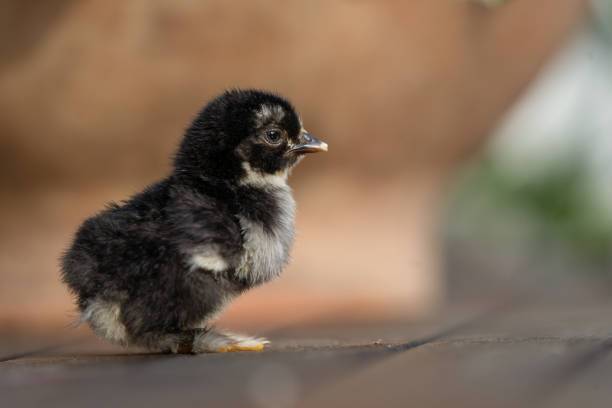
DAY 1: Marek's Disease Vaccine
Age: Day 1 (within 24 hours of hatching)
Vaccine: Marek's Disease Vaccine (Herpesvirus of Turkey - HVT strain)
Administration Route: Subcutaneous injection in the neck
Target Disease: Marek's Disease
Dosage: 0.2 ml per chick
Copy & Paste Reminder:
code
DAY 1 VACCINATION
- Vaccine: Marek's Disease (HVT)
- Route: Subcutaneous injection in neck
- Timing: Within 24 hours of hatch
- Dosage: 0.2 ml per chick
About Marek's Disease:
Marek's Disease is a highly contagious viral infection that causes tumors in various parts of the bird's body. It's spread through dust and dander from infected birds. The disease can manifest in four forms:
Nerve form: Paralysis of legs, wings, or neck; loss of coordination
Eye form: Blindness and iris discoloration
Skin form: Enlarged feather follicles and bloody-looking shanks
Visceral form: Internal tumors; most deadly with 60-80% mortality rate
The vaccine must be administered within 24 hours of hatching for maximum effectiveness. Once a bird is exposed to the virus before vaccination, the vaccine becomes ineffective. Store the vaccine at 2-8°C and reconstitute only when ready to use. Keep vaccinating equipment sterile to prevent bacterial infections.
DAYS 5-7: Newcastle + Infectious Bronchitis Vaccine
DAYS 5-7 VACCINATION
- Vaccines: Newcastle (RDVF) + Infectious Bronchitis
- Route: Eye drop OR drinking water
- Key: Ensure all chicks receive vaccine
- Clean drinkers before and after vaccination
About Newcastle Disease:
Newcastle Disease (also called Ranikhet Disease) is one of the most economically devastating poultry diseases in Kenya. It causes:
Sudden death without prior symptoms
Twisted neck and paralysis
Respiratory distress and coughing
Green, watery diarrhea
Reduced or stopped egg production in layers
Mortality rates up to 100% in unvaccinated flocks
About Infectious Bronchitis (IB):
Infectious Bronchitis affects the respiratory and reproductive systems:
Gasping, coughing, and wheezing sounds
Nasal discharge and swollen sinuses
Poor growth in broilers
Reduced egg production and shell quality in layers
Kidney damage and complications
Administration Tips:
For eye drop method: Ensure each chick receives one drop in each eye
For drinking water: Dissolve vaccine in clean, chlorine-free water
Administer vaccine water within 2 hours of preparation
Remove regular drinkers before vaccination
Use the dose recommended by the vaccine manufacturer
DAYS 10-14 VACCINATION (1st DOSE)
- Vaccine: Gumboro (IBD) - Intermediate Georgia
- Route: Drinking water
- Important: Use chlorine-free water
- Timing: Administer within 2 hours of mixing
- Water intake: All chicks should drink treated water
About Gumboro Disease (IBD):
Gumboro disease is a highly contagious viral infection that destroys the bird's immune system, particularly affecting young chicks between 4-6 weeks old. The disease:
Causes sudden onset of symptoms
Results in 0-20% mortality (sometimes up to 60%)
Creates severe immunosuppression, making birds susceptible to other diseases
Reduces growth rate and feed conversion efficiency
May show no obvious symptoms (subclinical form) but still damages immunity
Spreads rapidly through contaminated feed, water, and litter
Why Gumboro Vaccination is Critical:
When chicks contract Gumboro before vaccination, they suffer immunosuppression that makes them unresponsive to subsequent vaccines for Newcastle, Marek's, and Infectious Bronchitis. This is why proper timing and two-dose vaccination is essential.
Administration Tips:
Mix vaccine in non-chlorinated water (chlorine kills the vaccine virus)
Use only the amount of water the birds will drink within 2 hours
Remove regular drinkers 1-2 hours before vaccination
Ensure all chicks have access to vaccinated water
Do not add antibiotics or other medications before vaccination (they reduce vaccine effectiveness)
DAYS 18-21: Gumboro (IBD) Second Dose
Age: 18-21 days old
Vaccine: Gumboro Vaccine (IBD) - 2nd Dose
Administration Route: Drinking water administration
DAYS 18-21 VACCINATION (2nd DOSE - BOOSTER)
- Vaccine: Gumboro (IBD) Booster
- Route: Drinking water
- Gap: 8-11 days since first dose
- Water preparation: Fresh chlorine-free water
- Expected outcome: Full immunity development
Why Two Doses?
The two-dose Gumboro vaccination schedule ensures complete immune development. The first dose primes the immune system, while the second dose (booster) strengthens and solidifies protection. The 8-11 day gap between doses is critical for optimal antibody response.
DAYS 21-24: Newcastle Disease Second Dose (LaSOTA Strain)
Age: 21-24 days old
Vaccine: Newcastle Disease (LaSOTA strain)
Administration Route: Drinking water administration
Target Disease: Newcastle Disease (Booster)
Copy & Paste Reminder:
code
DAYS 21-24 VACCINATION (NEWCASTLE 2nd DOSE)
- Vaccine: Newcastle Disease (LaSOTA strain)
- Route: Drinking water
- Gap: 16-17 days since first Newcastle vaccination
- Purpose: Booster for stronger immunity
- Note: LaSOTA is more potent than RDVF for older birds
About LaSOTA Strain:
The LaSOTA strain is a more potent Newcastle vaccine strain used for older chicks (beyond the first week). It provides stronger and more durable immunity compared to RDVF used at Day 5-7. The combination of both strains creates layered protection against various Newcastle virus strains circulating in Kenya.
Monitor for pox development 7-10 days after vaccination
Proper take is indicated by pustule formation at vaccination site
Important Note: Birds should be adequately hydrated and in good health before this vaccination. Avoid vaccinating during stress periods like transportation or extreme weather.
WEEK 8: Infectious Coryza Vaccine (Optional)
Age: 8 weeks (approximately 56 days)
Vaccine: Infectious Coryza Bacterin Vaccine
Administration Route: Subcutaneous or Intramuscular injection
Target Disease: Infectious Coryza
Copy & Paste Reminder:
code
WEEK 8 VACCINATION (OPTIONAL)
- Vaccine: Infectious Coryza Bacterin
- Route: Subcutaneous or Intramuscular
- Use: Only if disease is prevalent in your area
- Timing: Consider regional disease prevalence
- Effectiveness: Better protection in endemic areas
When to Use This Vaccine:
Infectious Coryza vaccination is optional and depends on whether the disease is prevalent in your region. This vaccine is recommended for:
Areas with known Infectious Coryza outbreaks
Farms that have experienced previous infections
Breeder flocks (higher value birds)
Layer farms in high-incidence regions
About Infectious Coryza:
Infectious Coryza (also called Contagious Nasal Catarrh) is caused by the bacterium Avibacterium paragallinarum. It causes:
Facial swelling and inflammation
Nasal discharge and congestion
Foul-smelling breath
Sneezing and coughing
Reduced egg production and quality
Mortality rates of 5-20% in unvaccinated flocks
The bacterin vaccine requires two injections 4 weeks apart for layer birds, typically administered between 10-20 weeks of age.
WEEKS 10-12: Newcastle Disease (ND) Booster - For Layers Only
Age: 10-12 weeks (approximately 70-84 days)
Vaccine: Newcastle Disease (Killed or LaSOTA strain)
Administration Route: Intramuscular or subcutaneous injection
Target Disease: Newcastle Disease (Layer Booster)
Flock Type:Layers only (not for broilers)
Copy & Paste Reminder:
code
WEEKS 10-12 VACCINATION (LAYERS ONLY)
- Vaccine: Newcastle ND Booster (Killed or LaSOTA)
- Route: Intramuscular or subcutaneous injection
- Important: LAYERS ONLY - skip for broilers
- Purpose: Long-term immunity for egg-laying birds
- Timing: Before point of lay
Why Only for Layers:
Broiler chickens are typically slaughtered before 8 weeks of age, making booster vaccinations unnecessary. Layer birds, however, need long-lasting immunity for the 12-18 month laying period. This booster injection strengthens immunity and ensures protection during the productive layer phase.
Injection Site Best Practices:
Use a sterile needle (25 gauge recommended)
Vaccinate in the breast muscle or under the wing
Insert needle at 45-degree angle
Administer 0.5 ml per bird
Alternate injection sites between left and right sides
Keep excellent records of vaccination dates and batch numbers
WEEKS 16-18: Fowl Typhoid Vaccine (Optional)
Age: 16-18 weeks (approximately 112-126 days)
Vaccine: Fowl Typhoid Bacterin Vaccine
Administration Route: Intramuscular or subcutaneous injection
Use: Optional, depending on farm history and regional prevalence
Copy & Paste Reminder:
code
WEEKS 16-18 VACCINATION (OPTIONAL)
- Vaccine: Fowl Typhoid Bacterin
- Route: Intramuscular or subcutaneous injection
- Optional: Use only if disease history or high-risk area
- Note: Many farms skip this if no disease history
- Duration: 12+ months of protection
About Fowl Typhoid:
Fowl Typhoid is a bacterial disease caused by Salmonella gallinarum. It causes:
Sudden death without prior symptoms
Yellow-green diarrhea
Ruffled feathers and lethargy
Reduced egg production with soft or shell-less eggs
Dosage: Follow manufacturer's recommendation (typically 0.5 ml per bird)
Copy & Paste Reminder:
code
WEEK 18 VACCINATION (LAYERS ONLY - FINAL BOOSTER)
- Vaccine: Combined ND + IB (Killed vaccines)
- Route: Intramuscular injection
- Target: Layers entering production
- Purpose: Peak immunity before laying begins
- Importance: Critical for consistent egg production
Why This Final Booster Matters:
By Week 18, layer birds are approaching the point of lay (approximately 16-18 weeks for egg-producing breeds). This final combined booster ensures peak antibody levels just as birds begin egg production. Strong immunity at this critical time:
Reduces the impact of disease exposure during lay
Maintains consistent egg production
Ensures good shell quality
Minimizes production losses
Protects against secondary infections
Critical Vaccination Administration Guidelines
Storage and Handling
Copy & Paste Checklist:
code
VACCINE STORAGE & HANDLING CHECKLIST
□ Store vaccines at 2-8°C (refrigerator temperature)
□ Never freeze live vaccines
□ Protect vaccines from light
□ Use within expiration date
□ Transport in cool boxes with ice packs
□ Keep detailed storage temperature records
□ Use first vaccines that expire first (FIFO method)
□ Discard reconstituted vaccines after 2 hours
□ Never mix different vaccine batches
□ Check vaccine appearance before use
□ Report any vaccine quality concerns to supplier
Equipment Sterilization
Copy & Paste Protocol:
code
EQUIPMENT STERILIZATION PROTOCOL
Needle Sterilization:
□ Use sterile needles for each vaccination session
□ Soak used needles in 70% alcohol or bleach solution
□ Autoclave or boil needles for 15 minutes at 100°C
□ Allow to cool completely before use
□ Never use the same needle for multiple birds

Drinker Sterilization:
□ Wash drinkers thoroughly with clean water
□ Rinse completely to remove any residue
□ Allow to air dry
□ Use dedicated drinkers for vaccination water
□ Keep separate from regular watering equipment

Vaccination Site Preparation:
□ Disinfect injection/wing web area with cotton wool
□ Use 70% alcohol or iodine solution
□ Allow disinfectant to dry
□ Proceed with vaccination
□ Keep area clean after vaccination
Vaccination Team Training
Copy & Paste Best Practices:
code
VACCINATOR BEST PRACTICES
Personnel:
□ Train all personnel on proper vaccination techniques
□ Ensure hands are clean before vaccination
□ Wear clean protective clothing
□ Never eat, drink, or smoke during vaccination
□ Maintain vaccination records meticulously

Record Keeping:
□ Record vaccine batch numbers
□ Log vaccination dates for each flock
□ Note any adverse reactions observed
□ Track mortality rates post-vaccination
□ Keep records for at least 2 years
□ Note any changes in bird behavior or production
Disease Prevention Beyond Vaccination
While vaccination is crucial, it works best alongside comprehensive biosecurity measures:
Biosecurity Measures
Copy & Paste Biosecurity Checklist:
code
BIOSECURITY MEASURES CHECKLIST
Housing:
□ Maintain clean, well-ventilated housing
□ Provide adequate space (3-4 sq ft per broiler, 4-5 sq ft per layer)
□ Ensure proper bedding management (dry litter)
□ Remove wet or contaminated litter daily

Feed and Water:
□ Provide clean, fresh water daily
□ Use covered feeders to prevent contamination
□ Store feed in rodent-proof containers
□ Remove uneaten feed daily
□ Sanitize feeders and drinkers weekly

Disease Prevention:
□ Isolate sick birds immediately
□ Quarantine new birds for 2-3 weeks
□ Limit visitor access to the farm
□ Disinfect equipment entering the farm
□ Maintain all-in, all-out production cycles
□ Control rodent and insect populations
□ Regularly remove and compost manure
Monitoring Vaccination Effectiveness
Copy & Paste Monitoring Guide:
code
VACCINATION EFFECTIVENESS MONITORING

Post-Vaccination Observation (Days 1-7):
□ Monitor birds for lethargy or unusual behavior
□ Watch for injection site swelling (normal for some vaccines)
□ Check for respiratory symptoms (should be minimal)
□ Note any unexpected mortality
□ Record feed and water consumption rates

Production Monitoring (Weeks 2-4):
□ Track growth rates in broilers
□ Monitor feed conversion efficiency
□ Observe general bird health and activity
□ Check for respiratory signs
□ Note any disease outbreak patterns

Long-term Monitoring:
□ In layers: Monitor egg production and shell quality
□ Test flock immunity through serum samples (optional)
□ Track disease incidence rates
□ Compare performance against targets
□ Adjust vaccination program based on results
Common Vaccination Mistakes to Avoid
Copy & Paste Mistakes Reference:
code
TOP VACCINATION MISTAKES TO AVOID

❌ Vaccinating diseased or stressed chicks
✓ Only vaccinate healthy, vigorous birds

❌ Using expired vaccines
✓ Check expiration dates before every vaccination session

❌ Administering vaccines in wrong routes
✓ Follow manufacturer's instructions precisely

❌ Vaccinating at incorrect ages
✓ Maintain the schedule strictly

❌ Mixing vaccines unnecessarily
✓ Follow prescribed combination guidelines

❌ Poor injection technique causing tissue damage
✓ Train all personnel on proper injection methods

❌ Inadequate bird restraint during vaccination
✓ Hold birds securely but gently

❌ Contaminated equipment
✓ Sterilize needles and equipment thoroughly

❌ Storing vaccines at room temperature
✓ Maintain 2-8°C cold chain

❌ Using non-sterile water for drinking vaccines
✓ Use clean, chlorine-free water for vaccine water
Vaccination Program Summary Chart
Time Period
Vaccine
Route
Disease Protected
Day 1
Marek's Disease
Subcutaneous (neck)
Marek's Disease
Days 5-7
Newcastle + IB
Eye drop or Water
Newcastle, IB
Days 10-14
Gumboro 1st
Water
Gumboro/IBD
Days 18-21
Gumboro 2nd
Water
Gumboro/IBD
Days 21-24
Newcastle LaSOTA
Water
Newcastle
Week 6
Fowl Pox
Wing web stab
Fowl Pox
Week 8
Coryza (optional)
Injection
Infectious Coryza
Weeks 10-12
ND Booster (layers)
Injection
Newcastle
Weeks 16-18
Fowl Typhoid (optional)
Injection
Fowl Typhoid
Week 18
Combined ND + IB (layers)
Injection
Newcastle, IB
Getting Vaccines in Kenya
Quality vaccines are available through:
Veterinary clinics and agrovets in major towns
Poultry feed suppliers (many stock vaccines)
Veterinary pharmaceutical companies
Ministry of Agriculture extension officers
Always purchase from reputable suppliers with proper cold chain management and authentic products.
Conclusion
A well-executed vaccination program is the foundation of successful poultry farming in Kenya. From the critical first-day Marek's vaccination to the final layer booster at Week 18, each vaccination builds upon the previous one to create comprehensive protection against the major poultry diseases threatening your flock.
Remember: Vaccination is prevention, not cure. Once disease strikes, it's too late. Invest in proper vaccination, maintain excellent biosecurity, and watch your birds thrive with improved health, productivity, and profitability.
Start your vaccination program today and protect your investment for tomorrow's harvest.
For Further Information: Consult your local veterinarian or agricultural extension officer
Poultry Market Kenya is a dedicated poultry farming and agribusiness blog focused on empowering farmers, traders, and agri-entrepreneurs across Kenya. We publish practical, data-driven content covering poultry production, disease management, feeding strategies, housing, equipment reviews, and market insights.
Our goal is to bridge the gap between traditional poultry farming practices and modern, profitable methods by providing reliable information, expert guidance, and real-world case studies.