How to Identify Common Poultry Diseases by Their Symptoms
Poultry farming in Kenya faces significant challenges from infectious diseases that can decimate flocks and erode livelihoods. Early detection of symptoms remains the most critical strategy for minimizing losses. This guide provides a structured, symptom-based approach to diagnosing the most prevalent poultry diseases in Kenya, supported by actionable interventions.
Why Early Detection Matters
Poultry diseases spread rapidly in dense farming environments, often with high mortality rates. Early identification enables:
Containment of outbreaks before they reach epidemic proportions
Timely treatment to reduce suffering and economic losses
Preservation of healthy flocks through immediate isolation protocols
A 2022 study by the Kenya Agricultural and Livestock Research Organization (KALRO) found that farms implementing early detection strategies reduced mortality rates by 40% compared to those without.
Common Poultry Diseases in Kenya: Symptom-Based Guide
1. Newcastle Disease
Symptoms: Greenish diarrhea, head twisting ("stargazing"), sudden death, respiratory rales
Action: Treat with tylosin or tilmicosin, improve coop airflow
10. Egg Drop Syndrome
Symptoms: Sudden 50-70% drop in egg production, soft-shelled eggs
Transmission: Infected breeder flocks
Action: Vaccinate layers at 12-14 weeks, ensure clean egg collection
Immediate Actions When Disease is Suspected
Isolate affected birds in a separate quarantine area
Contact a licensed veterinary officer (AVMA-registered) immediately
Collect samples for laboratory diagnosis:
Fresh feces
Tracheal swabs
Liver/spleen tissue
Decide on intervention:
Treatable diseases: Administer prescribed medication
Highly contagious/fatal: Consider humane culling to prevent spread
Prevention Strategies for Kenyan Poultry Farmers
Vaccination Schedules
Disease
Vaccine
Timing
Newcastle
I-2
Day-old chicks
Gumboro
Live vaccine
14-21 days
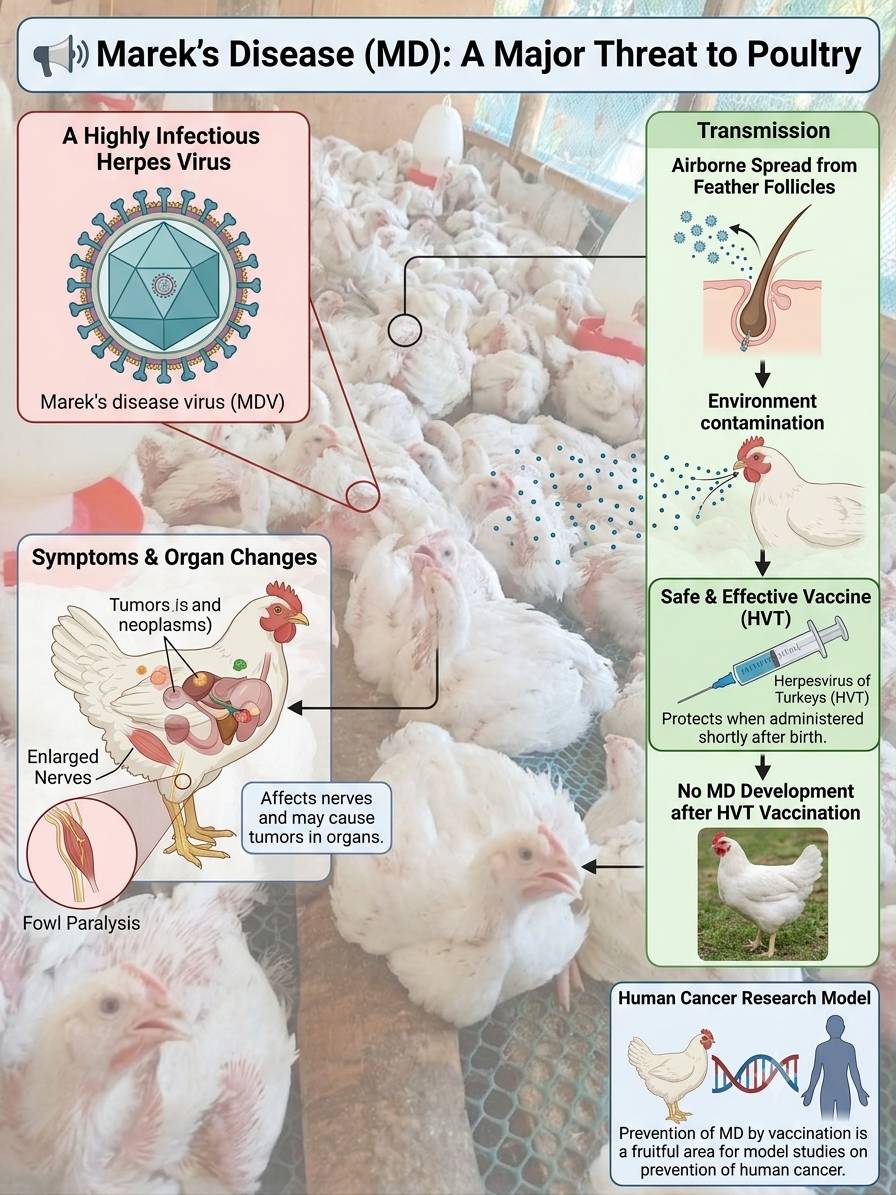
Marek's
HVT/SB-1
At hatchery
Egg Drop
Inactivated
12-14 weeks
Biosecurity Measures
Disinfect footwear and equipment before entering coops
Restrict visitors during outbreaks
Quarantine new birds for 30 days
Use dedicated clothing for poultry handling
Record Keeping
Maintain detailed logs of:
Vaccination dates
Flock mortality rates
Treatment interventions
Egg production metrics
When to Consult a Veterinarian
Seek immediate veterinary assistance if you observe:
Mortality exceeding 5% in a 24-hour period
Neurological symptoms (head twisting, paralysis)
Sudden drops in egg production
Lesions on skin/mucous membranes
To find a poultry veterinarian in Kenya, consult:
The Agricultural Veterinary Medicine Association of Kenya (AVMAK) directory
County agricultural offices
KALRO regional stations
Conclusion
Systematic observation of clinical signs combined with proactive biosecurity forms the foundation of effective disease management. By recognizing symptoms early and following standardized protocols, Kenyan poultry farmers can protect their flocks and livelihoods. Bookmark this guide for quick reference and share your experiences in the comments to help build a collective knowledge base for the industry.