A practical and informative blog post tailored for Kenyan poultry farmers, detailing the seven most common diseases that threaten poultry health and productivity. | PoultryMarket | PoultryMarket Kenya
A practical and informative blog post tailored for Kenyan poultry farmers, detailing the seven most common diseases that threaten poultry health and productivity.
Gradient headline# 7 Most Common Diseases That Affect Kenyan Poultry Farmers and How to Effectively Manage Them
Poultry farming is one of the fastest-growing agricultural sectors in Kenya, providing income and nutrition to many families. However, disease outbreaks remain a major threat that can cause devastating losses if not properly managed. This blog highlights the seven most common diseases affecting Kenyan poultry farmers and offers practical advice on prevention, management, and treatment to help protect your flock and business.
1. Newcastle Disease (ND)
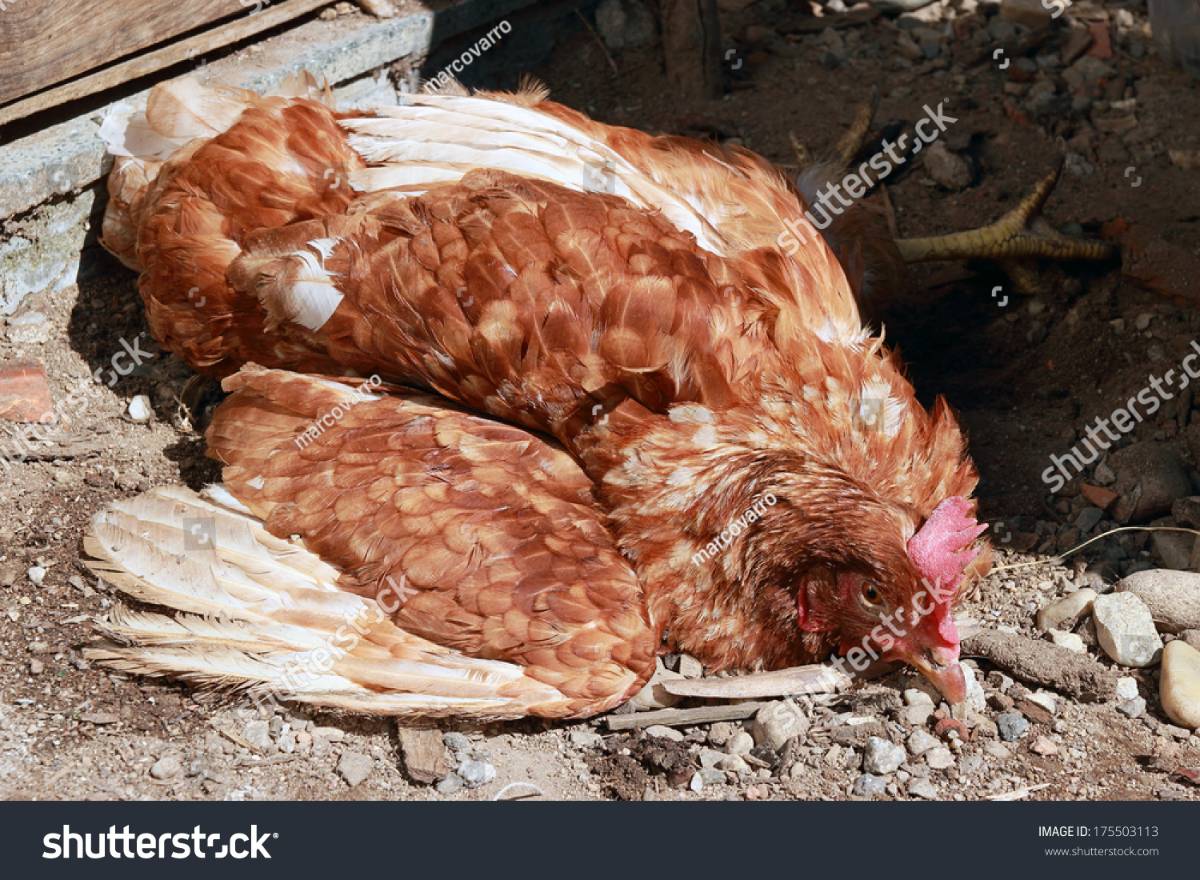
Newcastle Disease is caused by a highly contagious virus that affects the respiratory, nervous, and digestive systems of poultry. It's particularly devastating because it spreads rapidly and can cause up to 100% mortality in unvaccinated flocks.
Signs and Symptoms
Sudden death
Gasping, coughing, and sneezing
Twisting of the neck and paralysis
Greenish diarrhea
How to Manage Newcastle Disease
Vaccination: This is the most effective method to protect your birds. Administer vaccines according to the schedule recommended by veterinarians.
Biosecurity: Restrict movement of people and equipment on your farm. Disinfect shoes and vehicles entering the premises.
Isolation: Immediately separate sick birds to prevent spread.
Disposal: Safely dispose of dead birds to avoid spreading the virus.
This viral disease mostly affects young birds by targeting the immune system, leaving them vulnerable to other infections, which can increase mortality rates indirectly.
Symptoms Include
Diarrhea
Depression and ruffled feathers
Swollen bursa of Fabricius (immune organ)
Sudden death in severe cases
Management Strategies
Vaccination: Chicks should be vaccinated at the appropriate age to build immunity.
Hygiene: Regular cleaning and disinfection of poultry houses reduce virus survival.
Quarantine: New birds should be quarantined to prevent introducing the virus.
Fowl Pox is a slow-spreading viral disease characterized by wart-like lesions on unfeathered parts of the body and sometimes diphtheritic lesions in the mouth and respiratory tract.
Recognizing Fowl Pox
Yellowish scabs or lesions on comb, wattles, and feet
Respiratory distress if diphtheritic form affects the mouth
Prevention Tips
Vaccination is vital, especially before high-risk periods.
Vector control: Mosquitoes and ticks spread the disease, so controlling these pests helps reduce incidence.
Good management: Keep the environment clean and reduce overcrowding.
A parasitic disease caused by protozoa, coccidiosis is one of the most common intestinal diseases in poultry worldwide. It causes poor nutrient absorption and bloody diarrhea.
Symptoms to Watch For
Watery or bloody diarrhea
Weakness and loss of appetite
Poor growth rates and weight loss
How Farmers Can Control Coccidiosis
Use anticoccidial medications in feed or water as recommended.
Keep litter dry and replace it frequently.
Avoid overcrowding to reduce infection spread.
Support bird immunity with balanced nutrition and vitamins.
Avian Influenza is a serious, highly contagious viral disease affecting many bird species. Some strains cause severe disease and high mortality, posing risks to both poultry and public health.
Symptoms Include
Sudden death
Respiratory signs like coughing and nasal discharge
Swelling around the eyes and neck
Drop in egg production
Preventive Measures
Avoid contact with wild birds who can carry the virus.
Immediately report any sudden high mortality to veterinary authorities.
Biosecurity is critical: restrict farm access, disinfect regularly, and quarantine new birds.
To minimize losses from these common poultry diseases:
Vaccinate your flock on time using reliable vaccines.
Maintain strict biosecurity practices to prevent disease entry and spread.
Provide balanced nutrition to boost immunity.
Regularly clean and disinfect your poultry environment.
Consult a qualified veterinarian for timely diagnosis and treatment.
Educate yourself continuously about disease management and market trends.
Your poultry business's success depends significantly on managing these diseases effectively. By staying vigilant and proactive, you can keep your flock healthy and profitable.
For more insights and latest updates in poultry farming in Kenya, subscribe to our blog and follow us on social media!