You walk into the coop one morning and notice bare patches on several hens. Feathers are scattered across the litter, and a few birds look half-plucked. Your first thought is disease — but before you panic or reach for medication, stop and look closely. Where the feathers are missing, and how they're missing, tells you far more than the fact that they're gone.
Feather loss is one of the most common concerns among small flock owners, and in many cases it's completely natural. But when it's not, bald birds can suffer injuries, infections, and bruising on exposed skin, and laying hens often drop in egg production. Learning to read the pattern is the fastest diagnostic skill you can develop as a flock keeper.
Start With the Most Likely Explanation: Moulting
Before assuming something is wrong, rule out the annual moult. Moulting is a natural process where chickens shed old, worn feathers and grow new ones, usually once a year and often in the cooler or shorter-day months.
Moult has a recognisable pattern. It typically starts at the head and neck, moves down the back, and then to the tail and wings. The feather loss looks symmetrical on both sides of the body, and you'll see pin feathers — small, spiky new growth — pushing through the skin. Hens usually stop laying during a hard moult because growing feathers demands a lot of protein.
If the bare patches follow this orderly top-down pattern and the bird otherwise looks bright and healthy, you're almost certainly looking at a normal moult. Support her with good-quality feed and be patient. New feathers take several weeks to come through.
When the Pattern Points to a Problem
Abnormal feather loss looks different. Instead of an orderly moult, you'll see ragged bald patches in specific areas, broken feather shafts, or birds that look progressively worse over weeks. Here's how to narrow down the cause.
Bare backs and missing tail feathers: treading
If your hens are losing feathers on their backs and the backs of their heads — and you keep a rooster — over-mating is the likely culprit. A rooster's claws and beak strip feathers during mating, and a favourite hen can end up nearly bald.
The fix is practical: reduce the rooster-to-hen ratio, trim his spurs, or fit affected hens with a simple cloth saddle (sometimes called a hen apron) to protect their backs while feathers regrow.
Vent and belly feather loss: broodiness or parasites
A broody hen plucks her own breast and belly feathers to warm her eggs directly against her skin. If she's glued to the nest, puffing up and growling when you approach, that explains it.
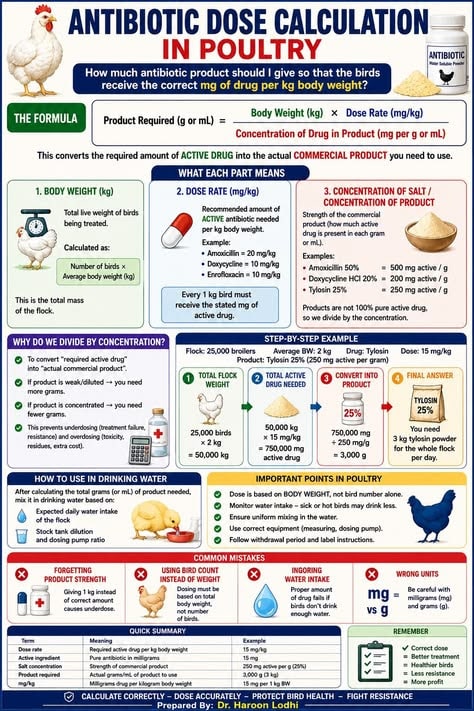
If she's not broody, part the feathers around the vent and look closely with a torch. Tiny moving specks, clumps of eggs at the feather base, or scabby, irritated skin point to lice or mites. Check at night for red mites, which feed on roosting birds after dark and hide in coop crevices during the day. Treat both the birds and the housing — treating the birds alone while mites live in the roosts means reinfestation within weeks. For product choice and dosing, consult a veterinarian or follow the label exactly.
Pecked and broken feathers on rumps and tails: bullying
Feather pecking and cannibalism usually show up as damaged feathers around the tail, vent, and rump — often with one or two birds doing the damage while the victim tries to escape. Common triggers include:
- Overcrowding — too many birds in too little space
- Boredom — no litter to scratch, no space to forage
- Nutritional gaps — especially protein and certain amino acids
- Bright light and heat stress
- Wounds — red, exposed skin attracts more pecking
Remove injured birds immediately, because pecking escalates fast once blood appears. Then address the root cause: give more floor space, hang greens or scatter grain in deep litter for enrichment, and review the ration. In Kenya's hot months, heat stress in poorly ventilated urban coops is a frequent hidden trigger.
Patchy loss with poor body condition: nutrition
Feathers are roughly 80–90% protein by dry weight, so a bird on a protein-deficient or unbalanced diet struggles to maintain and regrow plumage. Signs include dull, brittle feathers, slow regrowth after moult, and birds eating their own or each other's feathers.
Ask yourself honestly: are you feeding a complete, age-appropriate ration, or mostly kitchen scraps and maize? Scratch feeds and scraps dilute nutrition badly. Layers need a formulated layer feed; growing birds and moulting birds need even higher protein. Also check feed storage — mouldy or rancid feed can contain toxins that cause illness and poor feathering.
Widespread loss with other symptoms: illness
Feather loss combined with weight loss, diarrhoea, pale combs, respiratory signs, or sudden deaths suggests disease rather than a management issue. When diagnosing, consider how long signs have lasted, how fast the problem is spreading through the flock, and which diseases your birds were vaccinated against. If several birds are affected and declining, isolate them and get a veterinary diagnosis rather than guessing.
A Simple Diagnostic Walkthrough
When you spot feather loss, work through these questions in order:
- Is it moult season, and is the loss symmetrical head-to-tail? If yes, it's probably normal.
- Where exactly are feathers missing? Back and head suggests treading; vent suggests parasites or broodiness; rump and tail suggests pecking.
- Are feathers missing or broken? Missing with clean skin suggests plucking (self or flockmates); broken shafts suggest rubbing or treading.
- Do you see lice, mites, or irritated skin? Part the feathers at the vent, under wings, and around the neck.
- How is the bird otherwise? Bright, eating, and laying normally is reassuring; lethargic or losing weight is not.
- How many birds are affected, and how fast is it spreading? One bird suggests a local cause; many birds suggest management, nutrition, or disease.
Have you checked your birds after dark? A night inspection with a torch catches mites and pecking behaviour you'd never see during the day.
Prevention Beats Treatment
Most feather-loss problems trace back to management. Keep stocking density sensible, feed a complete ration matched to the birds' age and purpose, provide deep litter for scratching, maintain good ventilation, and clean roosts and nest boxes regularly. Quarantine new birds before adding them to the flock — they commonly bring in lice and mites.
Feather condition is genuinely useful as a flock health scorecard. A glossy, well-feathered flock usually means your feeding, housing, and parasite control are working. Deteriorating plumage is often the first visible warning that something in the system needs attention.
The Bottom Line
Don't treat feather loss as one problem — treat it as a symptom with a location, a pattern, and a timeline. Moulting is orderly and seasonal; everything else leaves clues in where the feathers are missing and how the bird is behaving. Work through the pattern methodically, fix the underlying cause, and protect exposed skin while feathers regrow. When birds are declining alongside feather loss, involve a veterinarian early rather than experimenting with treatments.
If you've dealt with stubborn feather loss in your flock, share what turned out to be the cause in the comments — your experience could save another keeper weeks of guessing. Follow Poultry Market for more practical, no-nonsense poultry guides, and pass this along to a fellow farmer whose birds are looking a little threadbare.