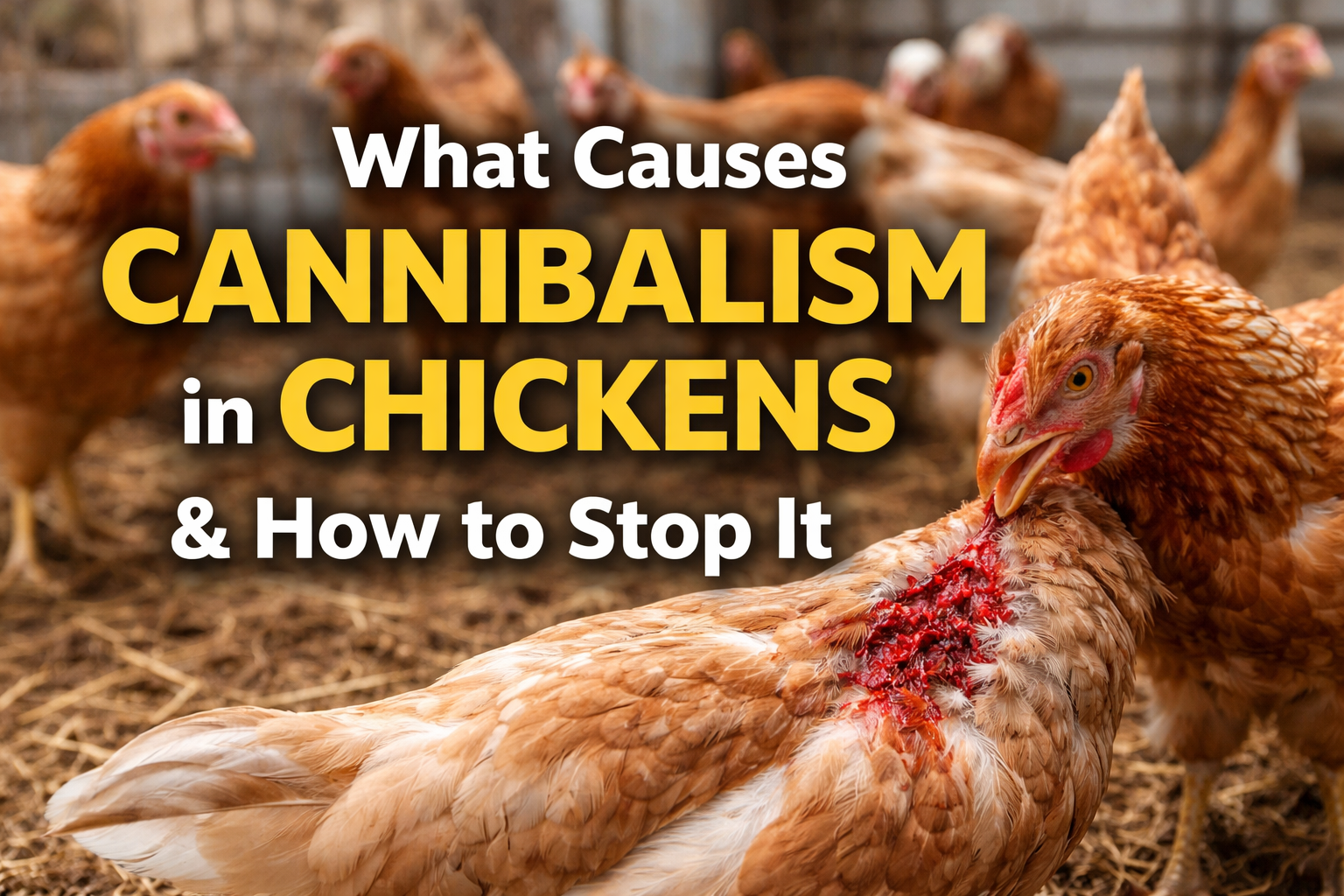
Cannibalism, the act of chickens consuming other chickens, is a serious welfare and economic concern for poultry farmers. It manifests in several ways, ranging from feather pecking and vent picking to the severe mutilation and death of birds. While seemingly aggressive, cannibalism is often a behavioral issue triggered by underlying stressors within the flock.
Why Do Chickens Engage in Cannibalism?
Several factors contribute to cannibalism in chickens. It’s rarely a simple case of ‘bullying’ and usually indicates an imbalance in the birds’ environment or nutritional needs. Here’s a breakdown of the common causes:
Nutritional Deficiencies: Lack of essential amino acids (particularly methionine and lysine), protein, salt, or phosphorus can lead chickens to seek these nutrients from alternative sources – including other birds.
Overcrowding: Insufficient space creates competition for resources, increases stress, and heightens the likelihood of pecking.
Lighting: Excessive light intensity, particularly in the blue spectrum, or long photoperiods can stimulate aggressive behavior.
Stress: Any form of stress – including sudden changes in environment, handling, introduction of new birds, or predator presence – can trigger pecking.
Genetic Predisposition: Some breeds are more prone to feather pecking and cannibalism than others. Fast-growing broilers can be particularly susceptible.
Boredom: Chickens are intelligent and require mental stimulation.
A lack of enrichment can lead to destructive behaviors like feather pecking, which can escalate.
Parasites: External parasites like mites and lice can cause irritation, leading to excessive preening and pecking at feather follicles.
Step-by-Step Control and Prevention Methods
Controlling cannibalism requires a multi-faceted approach focusing on prevention and immediate intervention. Here’s a practical guide for farmers:
1. Nutritional Management:
Balanced Feed: Ensure your chickens receive a complete and balanced diet formulated to their age and breed. Pay close attention to protein, amino acid, and mineral levels.
Protein Content: Layer diets should contain at least 16-18% protein, while broiler diets require varying levels depending on growth stage.
Supplementation: Consider supplementing the diet with synthetic methionine, lysine, and salt, especially if deficiencies are suspected.
Grit Provision: Provide adequate grit to aid in digestion and prevent the chickens from consuming abnormal materials.
2. Housing and Space Allocation:
Adequate Space: Provide sufficient floor space per bird. Recommended space allowances vary with age and breed (see FAO guidelines – link below).
Stocking Density: Avoid overcrowding. Reduce the number of birds per house if cannibalism occurs.
Litter Management: Maintain dry, clean litter to reduce stress and minimize disease transmission.
3. Lighting Control:
Light Intensity: Reduce light intensity, particularly during peak laying periods. Use red or amber-colored lights, as these are less stimulating.
Photoperiod: Limit the photoperiod (hours of light) to 14-16 hours per day.
4. Stress Reduction:
Minimize Handling: Handle chickens gently and minimize unnecessary stress.
Gradual Introductions: Introduce new birds gradually to allow for social integration.
Environmental Enrichment: Provide environmental enrichment such as straw bales, pecking blocks, and dust baths to reduce boredom.
Predator Control: Implement measures to protect chickens from predators.
5. Immediate Intervention:
Identify and Isolate: Remove any birds exhibiting cannibalistic behavior immediately.
Treat Injuries: Treat injured birds with antiseptic sprays to prevent infection and further pecking.
Beak Trimming (Considered Approach): While controversial, beak trimming can reduce the severity of injuries. It should be performed by a trained professional and considered a last resort.
Case Study: Resolving Cannibalism on a Small-Scale Layer Farm
A farmer in central Kenya experienced cannibalism in her layer flock. After reviewing her management practices, it was discovered that the feed was deficient in methionine and the stocking density was too high. By switching to a fortified feed and reducing the number of birds per house, the cannibalism was successfully controlled within two weeks.
Cannibalism in chickens is a complex issue with multiple contributing factors. By understanding these causes and implementing proactive management strategies, farmers can significantly reduce the risk of this damaging behavior and ensure the health and welfare of their flock.
Poultry Market Kenya is a dedicated poultry farming and agribusiness blog focused on empowering farmers, traders, and agri-entrepreneurs across Kenya. We publish practical, data-driven content covering poultry production, disease management, feeding strategies, housing, equipment reviews, and market insights.
Our goal is to bridge the gap between traditional poultry farming practices and modern, profitable methods by providing reliable information, expert guidance, and real-world case studies.