Thriving in Poultry Farming: Master Communication, Sustainability, and Community
Poultry farming in Kenya and East Africa is a dynamic industry that demands adaptability, strategic planning, and a commitment to long-term success. For farmers—whether smallholder or commercial—thriving in this sector requires more than just technical skills. It hinges on effective communication, sustainable practices, and strong community ties. This guide explores actionable strategies to help you build a resilient poultry enterprise while contributing positively to your environment and local economy.
The Role of Communication in Poultry Farming
Internal Communication and Organization
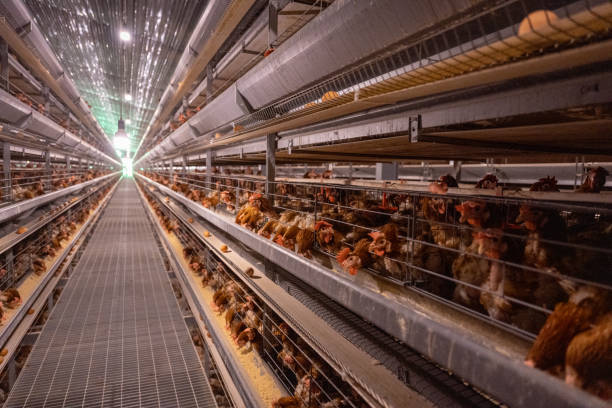
Clear communication within your farm operations is critical. From managing staff to coordinating feed and veterinary schedules, structured communication ensures efficiency. For instance, if you manage a layer farm with 5,000–20,000 birds, assigning one attendant per house and a veterinary paraprofessional for oversight is essential [1]. Use tools like WhatsApp groups or farm management software to streamline updates on health, feed availability, and market trends.
External Communication and Marketing
Marketing is the backbone of poultry business success. As noted in the Poultry Training Manual for Extension Workers in Uganda, visibility directly impacts revenue [3]. Develop relationships with buyers, processors, and local markets. For example, collaborate with nearby schools or restaurants to supply fresh eggs and meat. Leverage social media platforms like Facebook and Instagram to showcase your products and build trust with consumers.
Engaging with Stakeholders
Proactive communication with neighbors and local authorities can prevent conflicts. As highlighted in a Coexisting with Neighbors guide from the University of Georgia, addressing concerns about noise or odor early fosters goodwill and avoids legal disputes. Schedule regular meetings with community leaders to discuss farm activities and address feedback.
Building a Sustainable Poultry Enterprise
Environmental Stewardship
Sustainability starts with responsible resource use. Optimize water and energy consumption by installing solar-powered water heaters and drip irrigation systems for feed crops. For manure management, adopt composting techniques to produce organic fertilizer, reducing environmental impact while creating an additional revenue stream [2].
Economic Sustainability
Financial planning is non-negotiable. Conduct a cost-benefit analysis (CBA) to determine your farm’s scale and type of birds (layers, broilers, or dual-purpose breeds). For small-scale farms, starting with 500–1,000 birds using manual feeders and bell drinkers is cost-effective [1]. Secure funding through government grants or local cooperatives, and maintain a reserve fund for emergencies like disease outbreaks.
Animal Welfare and Ethical Practices
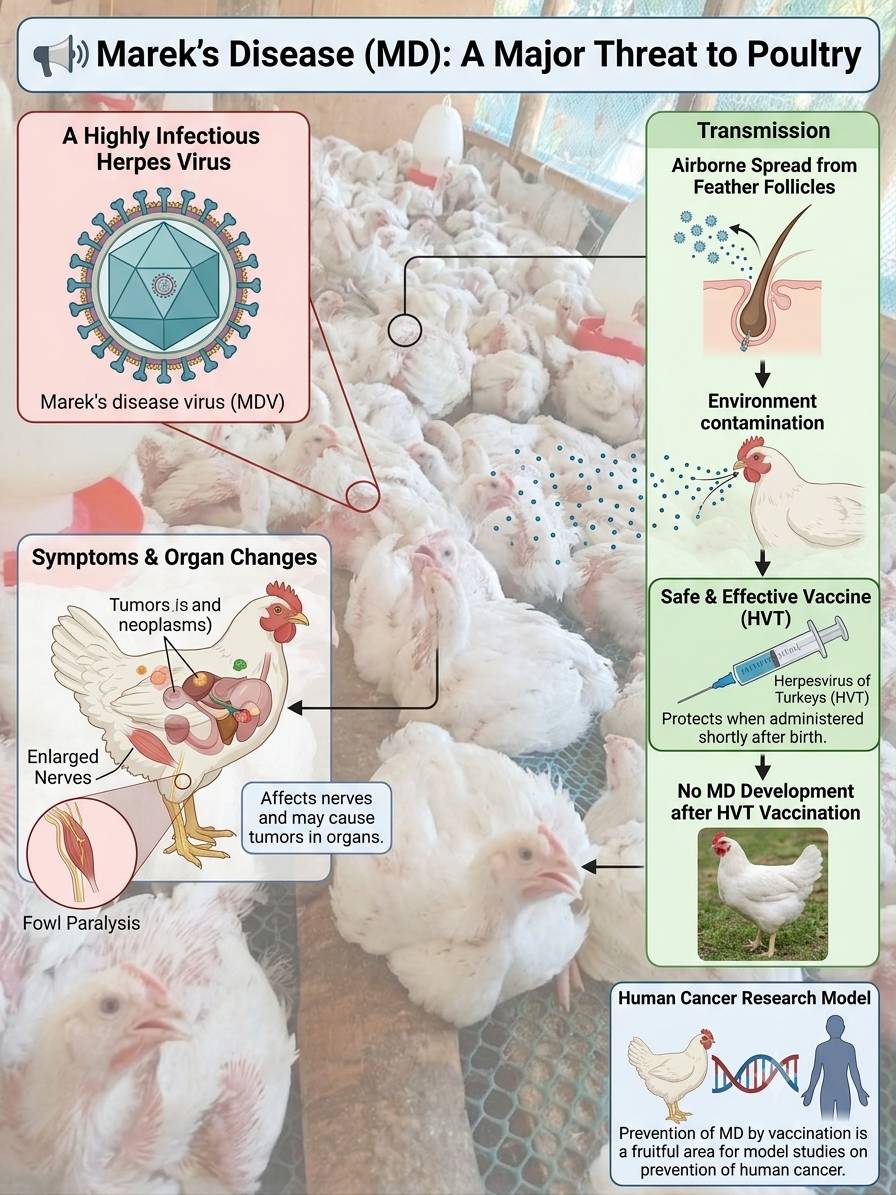
Sustainable poultry farming prioritizes animal health. Provide adequate space—layers require 0.5–0.7 m² per bird, while broilers need 0.08–0.1 m² [1]. Implement vaccination schedules to prevent diseases like Newcastle and Gumboro. Ethical practices not only improve productivity but also align with global sustainability standards [4].
Strengthening Community Ties for Long-Term Success
Supporting Local Economies
Integrate your farm into the local supply chain. Hire labor from nearby villages, source feed ingredients from local farmers, and partner with community health centers to provide nutrition education.
Educate your community through workshops on topics like disease prevention, feed formulation, and sustainable practices. In return, you’ll build a pool of skilled labor and create advocates for your farm. For example, train extension officers to disseminate your best practices across regions, enhancing industry standards [3].
Participating in Cooperative Networks
Join poultry farmer associations like the Kenya Poultry Farmers Association (KEPA) to access resources, bulk purchasing discounts, and collective marketing opportunities. Cooperatives also amplify your voice in policy discussions, ensuring your needs are represented in national agricultural frameworks.
Key Takeaways
Communication streamlines operations and builds trust with stakeholders. Use digital tools and face-to-face engagement.
Sustainability requires balancing environmental, economic, and ethical practices. Start small and scale strategically.
Community partnerships create mutual benefits, from labor and markets to advocacy and education.
By integrating these strategies, you position your poultry farm as a model of innovation and responsibility in Kenya’s agricultural landscape. Start implementing one strategy at a time, and watch your enterprise flourish while contributing to a thriving, sustainable industry.