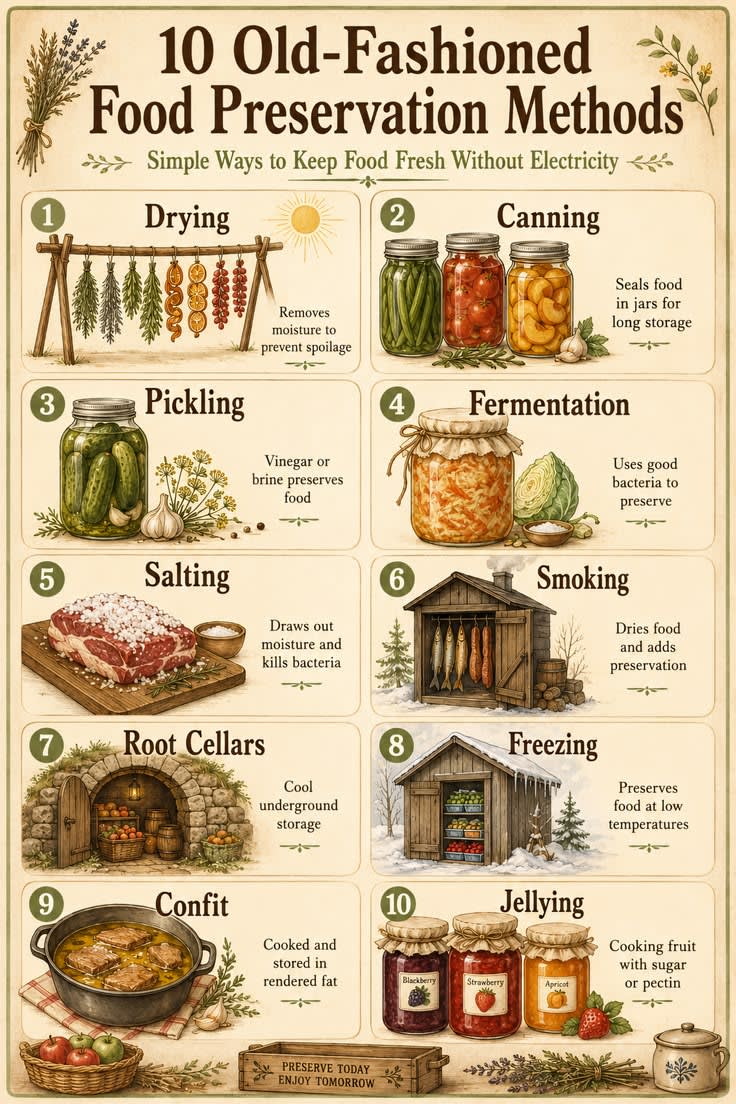
In Kenya and East Africa, where electricity supply can be unpredictable, traditional food preservation methods remain vital for smallholder and commercial farmers. These techniques not only extend the shelf life of surplus harvests but also reduce post-harvest losses, ensuring food security during dry seasons or market shortages. For homesteaders and agro-enterprises in regions like Kakamega, Nyeri, or Wajir, relying on electricity-dependent refrigeration is often impractical. Old-fashioned methods such as solar drying, pickling, and fermentation offer cost-effective, sustainable alternatives that require minimal investment and local resources.
The resurgence of these techniques aligns with global trends toward off-grid living and climate resilience. According to Mother Earth News, methods like salt-curing and smoking have preserved food for centuries while maintaining nutritional value. For Kenyan farmers, these practices also support income generation by enabling the sale of preserved goods during peak demand periods.
1. Solar Drying
Solar drying is one of the simplest and oldest preservation methods. By concentrating food’s moisture content, it inhibits bacterial growth and enzymatic spoilage. In Kenya, farmers can build low-cost solar dryers using wire mesh, scrap wood, and black-painted trays to absorb sunlight. Foods like tomatoes, chillies, and mangoes dry best in hot, dry regions like Kitui or Mwingi.
Dried produce can last 6–12 months if stored in airtight containers.
Kenya-Adapted Tips: Use shade-cloth-covered racks to prevent direct sun exposure during the hottest hours, reducing nutrient loss. For meat, cut into thin strips (beef jerky) and mix with salt and chili for added preservation. A study by YouTube’s Ancient Preservation Methods highlights how solar dehydration enhances flavor concentration in sun-dried tomatoes.
Pros: No electricity required; reduces weight for transport.
Cons: Susceptible to rain; requires 2–7 days of drying time.
2. Canning with Vinegar
Canning using vinegar (pickling) is ideal for preserving vegetables, fruits, and eggs. The acidic environment (pH below 4.6) prevents harmful bacterial growth. For example, boiled cabbage in vinegar can last 3–6 months in Kenya’s temperate highlands. Farmers can use glass jars or metal tins, sealing tightly after boiling.
Kenya-Adapted Tips: Add local spices like ginger or cloves to enhance flavor. Use coconut oil as a preservative layer for pickled vegetables. Always sterilize jars in boiling water before filling to prevent mold.
Pros: Long shelf life; adds tangy flavor.
Cons: Requires precise vinegar-to-food ratios; risk of spoilage if not sealed properly.
3. Lacto-Fermentation
Lacto-fermentation uses lactic acid bacteria to preserve vegetables and dairy. This method is perfect for making kimchi, sour cabbage, or traditional Kenyan dishes like githeri. The process involves submerging food in saltwater, creating an anaerobic environment that promotes beneficial bacteria.
Kenya-Adapted Tips: Use clay pots for fermentation to maintain temperature. Add local herbs like thyme or basil for unique flavors. Fermented foods like kenkey (steamed fermented dough) are popular in coastal regions.
Pros: Boosts probiotics; no heat required.
Cons: Risk of over-fermentation if not monitored; requires 3–10 days.
4. Salt Curing
Salt draws moisture from food through osmosis, inhibiting microbial growth. This method is widely used for preserving fish (e.g., tilapia) and meat. In Lamu or Tanga, salted fish can last 3–6 months if stored in cool, dry places.
Kenya-Adapted Tips: Mix sea salt with ash for fish curing to enhance preservation. For meat, rub with salt and hang in a well-ventilated area like a mashua (traditional granary).
Pros: Simple and fast; enhances flavor.
Cons: High sodium content; may alter texture.
5. Smoking
Smoking combines drying with antimicrobial effects from smoke. It’s ideal for meat, fish, and even vegetables like cabbage. In western Kenya, smoked beef (nyama choma) is a staple. Farmers can build smokehouses using local woods like mango or camphor for distinct flavors.
Kenya-Adapted Tips: Use solar-smoking techniques by hanging food in shaded, smoke-infused areas. For small batches, a metal drum with a chimney works well.
Pros: Adds smoky flavor; deters pests.
Cons: Requires fuel and time; may produce carcinogens if overdone.
6. Root Cellars
Root cellars utilize underground insulation to maintain cool, stable temperatures. In regions like Nyeri, farmers dig shallow pits or build stone-walled cellars to store root crops (e.g., cassava, sweet potatoes) and onions. The humidity prevents dehydration, extending shelf life to 6–12 months.
Kenya-Adapted Tips: Line cellars with banana leaves to retain moisture. Use clay pots to store perishables like tomatoes or avocados.
Pros: Year-round storage; no electricity needed.
Cons: Limited to non-perishable items; requires digging.
7. Freezing Without a Fridge
Though counterintuitive, ice-based freezing is possible using insulated containers. Farmers can purchase ice blocks from vendors and store food in plastic containers wrapped in newspaper. Alternatively, solar-powered freezers (like the Kenya Solar Freeze project) can preserve meat and dairy.
Kenya-Adapted Tips: Freeze high-value items like fish or dairy during rainy seasons when ice is cheaper. Use sawdust as insulation.
Pros: Retains texture and nutrients; rapid cooling.
Cons: Requires regular ice replenishment; high cost for solar systems.
8. Confit (Fat Preservation)
Confit involves submerging meat in animal fat to prevent oxidation. Traditionally used for duck legs, this method can preserve chicken or goat for 2–3 months. In Kenya, use goat tallow or sheep fat for a local twist.
Kenya-Adapted Tips: Cook meat in a clay oven first to render fat, then store in sealed jars. Sell confit as a premium product in urban markets like Nairobi or Mombasa.
Concentrating fruits into jams or jellies extends their usability. High sugar content (65–70%) prevents microbial growth. In Kiambu, mango or guava jelly is a popular product. Farmers can use copper pots for even cooking.
Kenya-Adapted Tips: Add citric acid from lemons to enhance preservation. Sell in small jars at local markets or via WhatsApp groups.
Pros: Versatile; adds value to surplus fruits.
Cons: Requires precise sugar ratios; high calorie content.
10. Earthenware Storage
Clay pots and gourds have been used for centuries to store grains and liquids. Their porous nature regulates humidity, preventing mold. In Turkana, milk is stored in engaro (calabashes) for up to 24 hours.
Kenya-Adapted Tips: Coat pots with beeswax to reduce evaporation. Use for storing millet, sorghum, or fermented milk (amasi).
Long shelf life | Risk of botulism if improperly sealed |
| Fermentation | Adds probiotics | Needs monitoring |
| Salt Curing | Enhances flavor | High sodium content |
| Smoking | Unique flavor | May produce carcinogens |
Safety Precautions
Hygiene: Always wash hands and equipment thoroughly. Contaminated surfaces can introduce pathogens like Salmonella.
Sealing: For canning and confit, ensure airtight containers to prevent mold. Test seals by inverting jars.
pH Testing: Use pH strips to verify acidity levels in pickles and jams (pH <4.6 is safe).
Storage: Keep preserved foods in cool, dry places. Avoid direct sunlight to prevent spoilage.
Conclusion and Call to Action
Traditional food preservation is not just a relic of the past—it’s a lifeline for Kenyan farmers navigating climate challenges and energy insecurity. Start with one method today: try solar-drying tomatoes for your next harvest or experiment with lacto-fermentation using local vegetables. Share your results in the comments below or on our Poultry Market Facebook Group. Together, we can build resilient, self-sufficient farming communities.
Key Takeaways
Traditional methods require no electricity and use local resources.
Solar drying, canning, and fermentation are ideal for Kenyan climates.
Always prioritize hygiene and proper sealing to avoid spoilage.
Experiment with one method this month to reduce post-harvest losses.
Poultry Market Kenya is a dedicated poultry farming and agribusiness blog focused on empowering farmers, traders, and agri-entrepreneurs across Kenya. We publish practical, data-driven content covering poultry production, disease management, feeding strategies, housing, equipment reviews, and market insights.
Our goal is to bridge the gap between traditional poultry farming practices and modern, profitable methods by providing reliable information, expert guidance, and real-world case studies.