Support Systems: Agents of Change – The Women Distributors Connecting Breeders to Rural Farmers
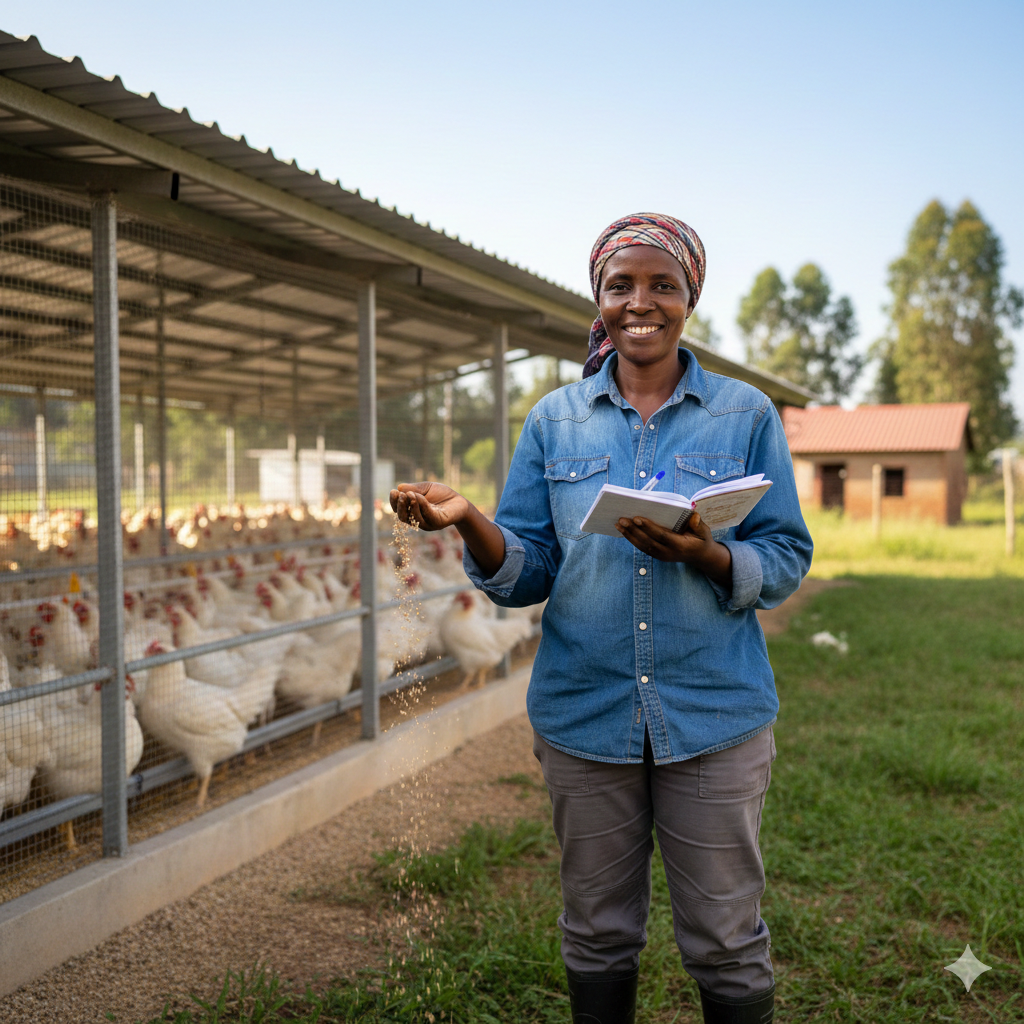
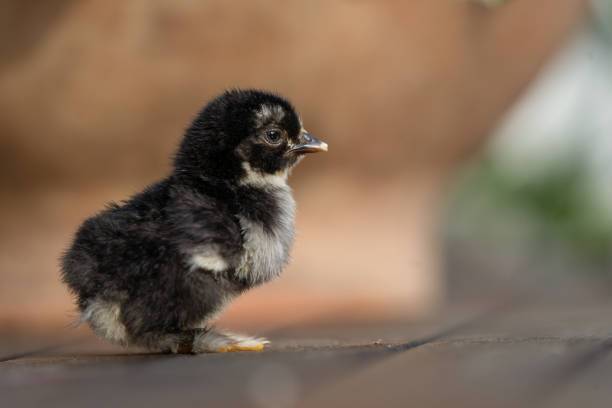
For many smallholder farmers in remote areas, access to quality chicks is a significant barrier to entry or expansion in poultry farming. Bridging this gap requires more than just breeding facilities; it demands a robust and reliable distribution network. Increasingly, this network is being powered by women entrepreneurs acting as sales representatives and agents, mirroring successful models like Uzima Chicken.
The Agent/Brooder Model: A Business Opportunity
The agent/brooder model is a multi-level distribution system that empowers local entrepreneurs to become key players in the poultry value chain. It’s not merely about selling chicks; it’s about providing a complete package that includes pre-sale advice, chick handling training, brooding support, and ongoing technical assistance. This comprehensive approach ensures higher chick survival rates and, ultimately, greater success for the farmers they serve.
This model presents a compelling business opportunity for individuals with a passion for poultry and a drive to succeed. It leverages existing social networks and local knowledge, making it particularly effective in reaching underserved rural communities.
Roles and Responsibilities
There are typically two main roles within this distribution system:
Sales Representative: Often working on a commission basis, the sales rep focuses on direct marketing and order taking within a defined geographical area. They build relationships with farmers, understand their needs, and promote the benefits of improved poultry breeds. Income potential is directly tied to sales volume and commission rates.
Agent: Agents take on a broader role, acting as a local hub for chick distribution and support. They typically manage a network of sales representatives, provide training, and ensure that chicks are brooded correctly. Agents often receive a margin on chick sales and commissions on the sales of their representatives, resulting in significantly higher earning potential. They are responsible for maintaining quality control and providing after-sales service.
Example: Decla, a sales representative for Uzima Chicken, earns a commission on each chick sold, building her income by actively connecting with farmers. Alice, an agent, oversees a team of sales reps, providing training and logistical support, and enjoys a higher income stream from both her direct sales and the sales of her team.
Income Potential
The income potential for both roles varies depending on factors such as geographical location, market demand, the number of chicks sold, and the commission structure offered by the breeder. However, successful agents can earn a substantial income, often exceeding that of traditional agricultural businesses in the area. Sales representatives provide a good supplementary income opportunity. KEPOFA actively networks these local agents, expanding their reach and impact.
Ensuring Quality: From Breeder to Farmer
A critical aspect of the agent/brooder model is maintaining the quality of the chicks throughout the distribution process. This requires careful attention to detail at every stage:
Source Verification: Agents must partner with reputable breeders who adhere to strict quality control standards.
Transportation: Chicks must be transported in well-ventilated and temperature-controlled containers to minimize stress and mortality.
Brooding Support: Providing farmers with proper brooding guidance – including the use of appropriate brooders, temperature management, and hygiene practices – is essential for maximizing chick survival.
Vaccination Schedules: Agents can help disseminate information on recommended vaccination schedules and connect farmers with local veterinary services.
Tips for Becoming a Reputable Breeder Agent
Research Breeders: Identify reputable breeders with a proven track record of producing high-quality chicks.
Develop a Business Plan: Outline your target market, sales strategy, and financial projections.
Secure Funding: Determine the capital required to establish your distribution network and explore funding options.
Invest in Training: Undergo comprehensive training on chick handling, brooding, and disease prevention.
Build Relationships: Establish strong relationships with local farmers, veterinary professionals, and KEPOFA networks.
Prioritize Customer Service: Provide excellent after-sales support to ensure farmer success.
The agent/brooder model, particularly when driven by women entrepreneurs, represents a powerful force for change in the poultry industry. By connecting breeders with remote farmers and providing essential support services, these agents are not only improving access to quality chicks but also empowering local communities and driving sustainable agricultural growth.
For aspiring entrepreneurs, becoming an agent for a reputable breeder offers a viable path to financial independence and a rewarding career in the poultry sector.
Poultry Market Kenya is a dedicated poultry farming and agribusiness blog focused on empowering farmers, traders, and agri-entrepreneurs across Kenya. We publish practical, data-driven content covering poultry production, disease management, feeding strategies, housing, equipment reviews, and market insights.
Our goal is to bridge the gap between traditional poultry farming practices and modern, profitable methods by providing reliable information, expert guidance, and real-world case studies.