From 82 to 2,000 Birds: How Rachel Adipo Scaled Her Poultry Farm
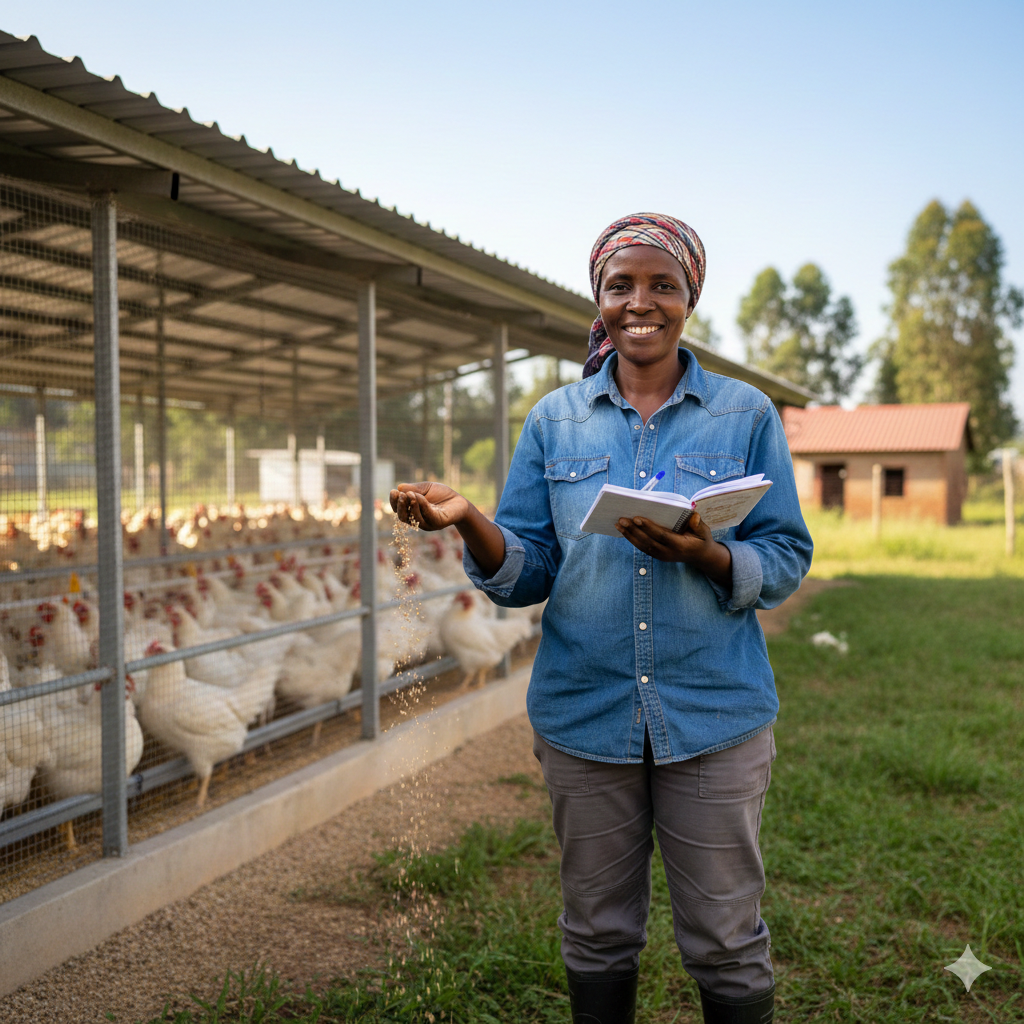
Rachel Adipo’s journey in poultry farming is a testament to perseverance, strategic planning, and the power of community support. Starting with just 82 birds, Rachel has grown her farm to house over 2,000 birds, becoming a notable figure in Kenya’s poultry industry. Her story is not just about scaling a business but also about leveraging resources, training, and collaborative efforts to achieve remarkable success.
The Beginning: A Humble Start
Rachel’s journey began with a small flock of 82 birds. Like many small-scale farmers, she faced numerous challenges, including limited resources, lack of knowledge, and market uncertainties. However, her determination to succeed drove her to seek out opportunities for growth and improvement.
Joining a Women’s Group: The Power of Community
One of the pivotal moments in Rachel’s journey was joining a women’s group. This group provided her with more than just emotional support; it offered practical solutions to her farming challenges. Through the group, Rachel learned about cost-sharing mechanisms, which allowed her to invest in better feed, veterinary care, and farm equipment without bearing the full financial burden alone.
Training and Skill Development
Education and training played a crucial role in Rachel’s success. She participated in various training programs focused on poultry management, disease control, and market strategies. These programs equipped her with the knowledge and skills necessary to manage a larger flock efficiently.
Rachel’s commitment to continuous learning enabled her to implement best practices in her farm, leading to improved productivity and profitability.
Scaling Up: Strategies for Growth
Investing in Quality Feed
One of the key factors in Rachel’s success was her focus on providing high-quality feed to her birds. She understood that proper nutrition is essential for the health and productivity of poultry. By investing in quality feed, Rachel ensured that her birds grew healthier and faster, leading to better market prices.
Implementing Biosecurity Measures
Biosecurity is crucial in poultry farming to prevent the spread of diseases. Rachel implemented strict biosecurity protocols on her farm, including regular cleaning and disinfection, controlling access to the farm, and vaccinating her birds. These measures significantly reduced the incidence of diseases, leading to a healthier flock.
Market Strategies
Rachel’s success can also be attributed to her strategic market approaches. She established relationships with local markets and suppliers, ensuring a steady demand for her products. Additionally, she diversified her income streams by selling not just eggs and meat but also poultry feed and equipment.
Overcoming Challenges
Rachel’s journey was not without its challenges. She faced issues such as disease outbreaks, fluctuating market prices, and financial constraints. However, her resilience and strategic planning helped her overcome these obstacles. She sought advice from experienced farmers, attended workshops, and continuously adapted her strategies to meet changing market demands.
The Role of MEDA: Support and Training
The Mennonite Economic Development Associates (MEDA) played a significant role in Rachel’s success story. MEDA provided her with training, resources, and support, helping her to scale her farm from 82 to 2,000 birds. Through MEDA’s programs, Rachel gained access to financial resources, market opportunities, and technical support, which were instrumental in her growth.
Lessons Learned
Rachel’s story offers valuable lessons for aspiring poultry farmers. Some of the key takeaways include:
Community Support: Joining a supportive community can provide practical solutions and emotional encouragement.
Continuous Learning: Investing in education and training is crucial for staying updated with best practices in poultry farming.
Quality Feed: Providing high-quality feed is essential for the health and productivity of poultry.
Biosecurity: Implementing strict biosecurity measures can prevent disease outbreaks and ensure a healthier flock.
Market Strategies: Establishing strong market relationships and diversifying income streams can lead to sustained growth.
Conclusion and Call to Action
Rachel Adipo’s journey from 82 to 2,000 birds is an inspiring story of determination, strategic planning, and community support. Her success offers valuable insights for poultry farmers looking to scale their operations. By focusing on quality feed, biosecurity, market strategies, and continuous learning, farmers can achieve remarkable growth and profitability.
If you are a poultry farmer looking to scale your operations, take inspiration from Rachel’s story and implement these strategies in your farm. Join a supportive community, invest in training, and leverage resources to achieve your goals. Start your journey towards success today!
Poultry Market Kenya is a dedicated poultry farming and agribusiness blog focused on empowering farmers, traders, and agri-entrepreneurs across Kenya. We publish practical, data-driven content covering poultry production, disease management, feeding strategies, housing, equipment reviews, and market insights.
Our goal is to bridge the gap between traditional poultry farming practices and modern, profitable methods by providing reliable information, expert guidance, and real-world case studies.