SPADE Project: How Youth Groups Are Contracted to Supply Schools & Hotels
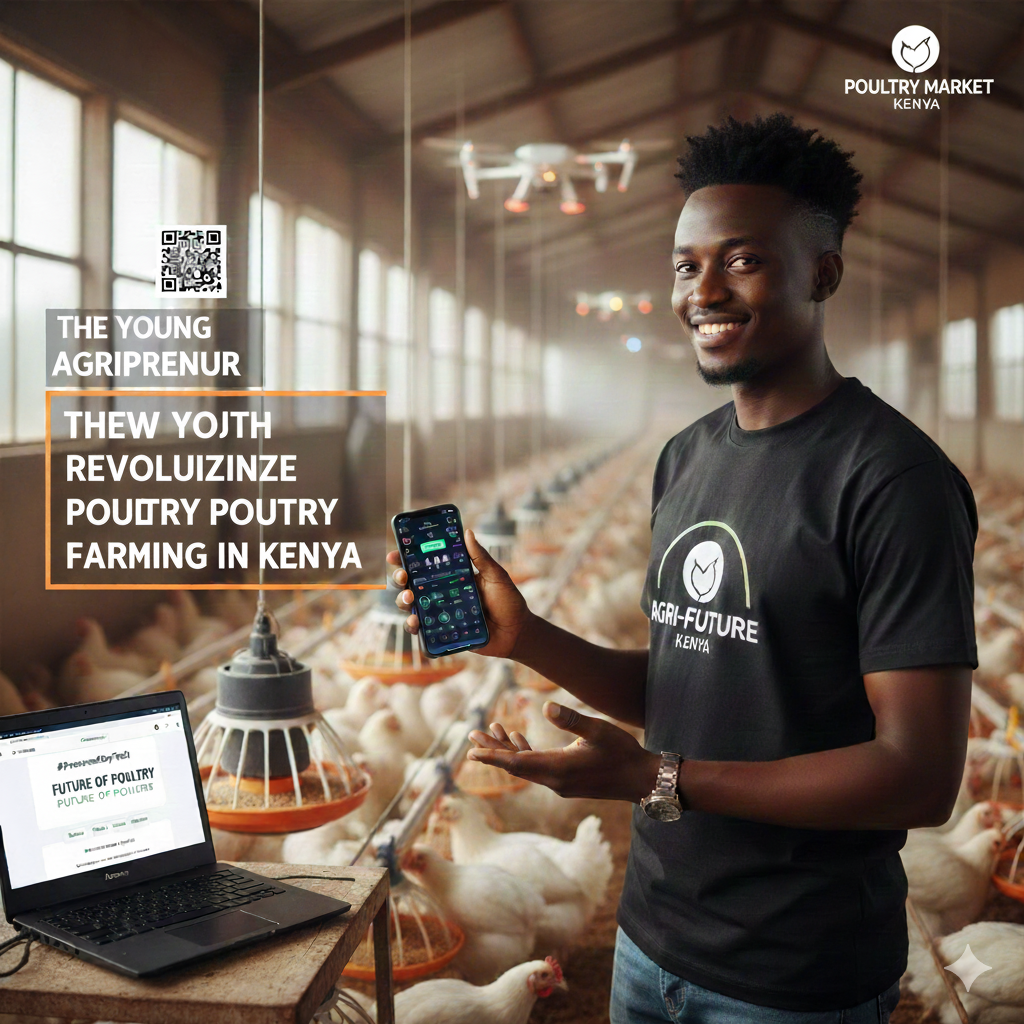
Contract farming is rapidly gaining traction as a powerful tool for youth empowerment in the agricultural sector, particularly in poultry. The SPADE (Supporting Poultry and Development of Entrepreneurship) project serves as a prime example of how this model can be effectively implemented to create sustainable livelihoods for young people. This article details the SPADE project, its training components, and how it secures reliable market access for youth-led poultry enterprises.
Understanding the Contract Farming Model
Contract farming involves agreements between farmers and buyers, outlining pre-determined prices, quality standards, and volumes. It provides farmers with a guaranteed market and often includes access to inputs, financing, and technical assistance. For youth groups, this model reduces the risks associated with poultry farming, such as price fluctuations and market uncertainties, making it a more attractive and viable venture.
Benefits of Contract Farming for Youth Groups:
Reduced Market Risk: Guaranteed purchase agreements ensure a stable income.
Access to Finance: Contracts can be used as collateral to secure loans.
Technical Support: Projects like SPADE often provide training and mentorship.
Improved Quality: Meeting buyer specifications leads to better product quality and potential for premium pricing.
The SPADE Project: A Case Study in Youth Empowerment
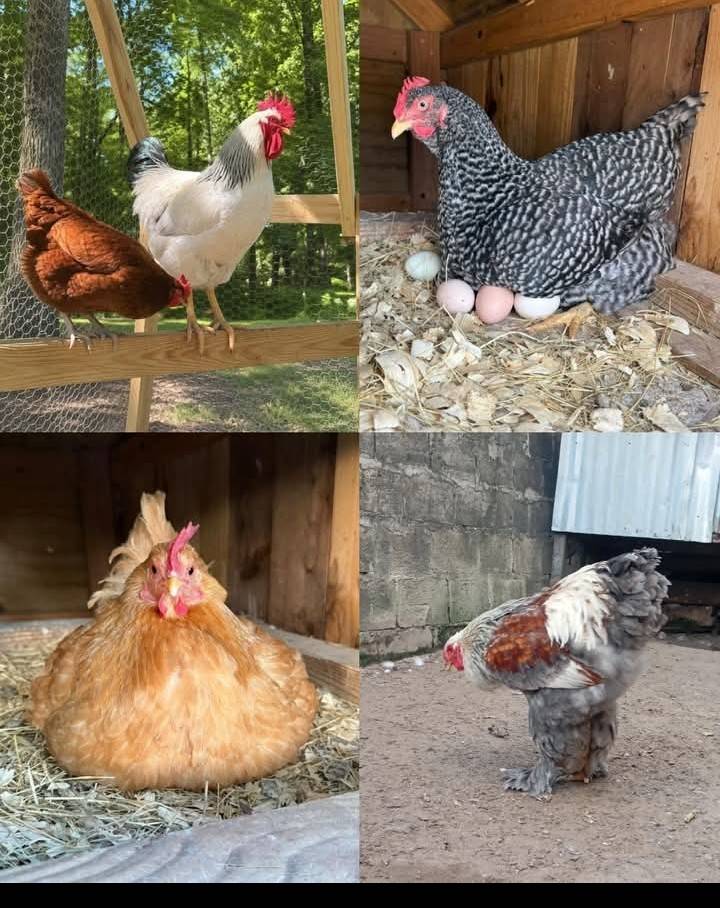
Inspired by the Global Youth Mobilization, the SPADE project, implemented by SCORE CBO, targets youth groups in Kenya, equipping them with the skills and resources to participate in poultry value chains. The project focuses on both broiler and layer production, offering comprehensive training programs and facilitating linkages with institutional buyers like schools, hotels, and hospitals.
Training Programs: Building Capacity in Hatching and Feed Formulation
A core component of the SPADE project is its intensive training programs. Youth groups receive hands-on training in:
Hatching: Understanding the principles of incubation, hatchery management, and chick quality control. This includes learning about egg handling, incubation parameters, and common hatchery challenges.
Feed Formulation: Mastering the art of creating balanced poultry rations using locally available ingredients. Participants learn about nutrient requirements at different growth stages, feed ingredient analysis, and cost-effective feed formulation strategies. They are taught how to formulate starter, grower, and finisher feeds for both broilers and layers.
These training programs are designed to be practical and adaptable, enabling youth groups to establish and operate efficient poultry enterprises.
Securing Reliable Offtake Agreements
The SPADE project doesn't just stop at training; it actively helps youth groups secure offtake agreements with reputable institutions. This involves:
Market Research: Identifying potential buyers and their specific requirements.
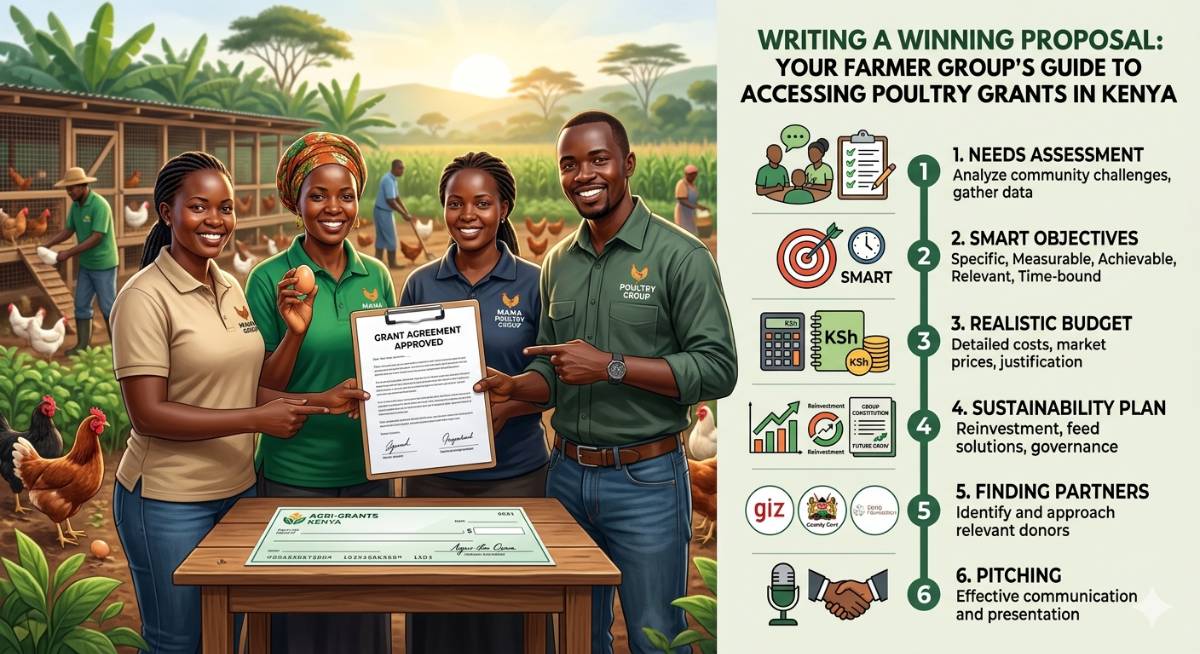
Negotiation Support: Assisting youth groups in negotiating favorable contract terms.
Quality Assurance: Ensuring that the poultry products meet the required quality standards.
By establishing direct linkages with buyers, SPADE ensures that youth groups have a consistent and reliable market for their produce.
Interview with a SPADE Project Officer
We spoke with Ms. Jane Doe, a Project Officer with SCORE CBO, to gain insights into the success factors of the SPADE project.
Q: What are the key factors contributing to the success of the SPADE project?
A: “Several factors are crucial. First, the comprehensive training programs empower youth groups with the necessary skills. Second, the strong relationships we've built with institutional buyers provide a guaranteed market. Finally, ongoing mentorship and support ensure that the groups can overcome challenges and sustain their businesses. The emphasis on collective action - forming groups - also boosts their bargaining power and access to resources.”
Q: What challenges do youth groups typically face, and how does SPADE address them?
A: “Access to finance is a major hurdle. We help groups develop business plans and connect them with microfinance institutions. Another challenge is maintaining quality standards. We provide regular monitoring and quality control training.”
Best Practices for Youth Groups in Contract Farming
Form Strong Groups: Collective action increases bargaining power and access to resources.
Develop a Detailed Business Plan: A well-structured plan is essential for securing financing and managing operations.
Prioritize Quality Control: Meeting buyer specifications is critical for maintaining contracts.
Seek Ongoing Mentorship: Experienced mentors can provide valuable guidance and support.
Conclusion
The SPADE project demonstrates the immense potential of contract farming in empowering youth and driving economic growth in the poultry sector. By providing training, facilitating market access, and offering ongoing support, such initiatives are creating sustainable livelihoods for young people and contributing to a more resilient and inclusive agricultural system.
Poultry Market Kenya is a dedicated poultry farming and agribusiness blog focused on empowering farmers, traders, and agri-entrepreneurs across Kenya. We publish practical, data-driven content covering poultry production, disease management, feeding strategies, housing, equipment reviews, and market insights.
Our goal is to bridge the gap between traditional poultry farming practices and modern, profitable methods by providing reliable information, expert guidance, and real-world case studies.