From Idea to $50,000 Startup: The Riziki Poultry Farm Youth Model
Youth unemployment remains a significant challenge in Kenya and across Africa. However, increasingly, young entrepreneurs are turning to agribusiness – and succeeding. This article profiles the inspiring story of Riziki Poultry Farm, a venture started by seven young Kenyans who secured $50,000 in seed funding through a national agribusiness competition and details how other young farmers can replicate their success.
The Genesis of Riziki Poultry Farm
Riziki Poultry Farm wasn’t born from a family legacy in farming; it was born from a gap-year project and a determined spirit to create a sustainable livelihood. The seven founders, recent high school graduates, initially bonded over a shared passion for addressing food security in their community. Recognizing the growing demand for poultry products, they identified a business opportunity and began meticulously planning their venture. Their journey began with thorough market research.
Market Research & Validation:
The team conducted extensive surveys in their local market (Kilifi County) to understand consumer preferences, purchasing power, and existing supply chains. Key findings included:
High demand for affordable protein sources, particularly chicken.
A willingness among consumers to support locally produced goods.
Limited access to quality chicks and poultry feed.
This research validated their initial idea and informed their business plan, targeting both local households and nearby hotels and restaurants.
Crafting a Winning Business Plan
The Riziki team understood that a well-structured business plan was crucial for attracting funding. They focused on several key elements:
Executive Summary: A concise overview of their venture, highlighting its potential impact.
Market Analysis: Detailed findings from their market research, demonstrating a clear understanding of the competitive landscape.
Production Plan: Outlining their farming practices, including sourcing of chicks, feed management, and disease control measures.
Financial Projections: Realistic forecasts of revenue, expenses, and profitability. They projected a strong return on investment within three years.
Management Team: Showcasing the skills and experience of each founder, emphasizing their commitment to the project.
They received mentorship from Asante Africa’s Youth Livelihood Program (https://asanteafrica.org/youth-livelihoods/), which provided invaluable guidance on business plan development and financial management.
The Enterprise Challenge & Securing Seed Funding
The Riziki team entered the national Enterprise Challenge competition, a platform designed to identify and support promising young agribusiness entrepreneurs. The competition involved multiple rounds of evaluation, including:
Pitching: Presenting their business plan to a panel of judges.
Q&A Session: Answering challenging questions about their venture’s viability.
Site Visit: Allowing judges to assess their farming operations.
Their compelling pitch, solid business plan, and demonstrated passion earned them the grand prize of $50,000. This seed funding was a game-changer.
Strategic Allocation of Funds
The team strategically allocated the $50,000 seed fund to maximize its impact. Key investments included:
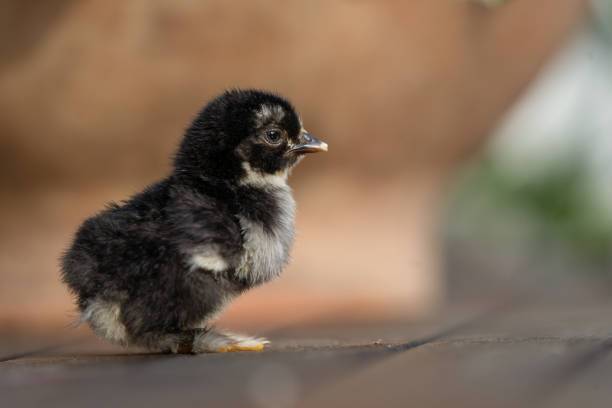
Chicks: Purchasing 5,000 day-old chicks from a reputable hatchery. ($20,000)
Incubator: Acquiring a modern incubator to increase their chick production capacity. ($10,000)
Poultry Feed: Sourcing high-quality feed to ensure optimal growth rates and egg production. ($10,000)
Housing Improvements: Upgrading their poultry housing to provide a safe and comfortable environment. ($5,000)
Working Capital: Maintaining sufficient cash flow for daily operations. ($5,000)
The 'Pay-It-Forward' Vision
Beyond building a profitable business, the Riziki team is committed to creating a positive social impact. Their ‘pay-it-forward’ vision involves:
Employing Local Youth: Providing employment opportunities for other young people in their community.
Mentoring Aspiring Entrepreneurs: Sharing their knowledge and experience with aspiring agribusiness entrepreneurs.
Supporting Local Farmers: Sourcing inputs from local suppliers whenever possible.
Other National Youth Agribusiness Competitions
Here are some other national youth agribusiness competitions in Kenya:
4-K Club Youth Agribusiness Competition: Focuses on supporting young people involved in agriculture. (https://4kclub.or.ke/)
Youth Agripreneurs Competition: Sponsored by various organizations, offering funding and mentorship opportunities.
The County Innovation Challenge Fund: Available at the county level, supporting innovative agribusiness ideas.
Key Takeaways for Young Poultry Farmers
Thorough Market Research is Crucial: Understand your customers and competitors.
Develop a Robust Business Plan: Demonstrate the viability of your venture.
Seek Mentorship and Guidance: Learn from experienced entrepreneurs.
Embrace a Socially Responsible Vision: Create a positive impact in your community.
Starting a poultry farm as a young entrepreneur can be challenging, but the success of Riziki Poultry Farm proves that with dedication, planning, and a bit of seed funding, it is absolutely achievable. Take the leap and contribute to a more food-secure future!
Poultry Market Kenya is a dedicated poultry farming and agribusiness blog focused on empowering farmers, traders, and agri-entrepreneurs across Kenya. We publish practical, data-driven content covering poultry production, disease management, feeding strategies, housing, equipment reviews, and market insights.
Our goal is to bridge the gap between traditional poultry farming practices and modern, profitable methods by providing reliable information, expert guidance, and real-world case studies.