You have a day job, a family, and a backyard that mostly grows weeds. Meanwhile, your grocery bill keeps climbing, and every weekend you tell yourself you'll finally do something useful with that space. Sound familiar? The good news is that a self-sufficient backyard doesn't require quitting your job or buying fifty acres. It requires a few smart systems that mostly run themselves once set up — and poultry sits right at the center of most of them.
Here are six practical ideas that busy homestead owners can actually implement, starting with the birds and building outward.
1. Start With a Small, Well-Managed Flock
Chickens are the engine of a self-sufficient homestead. They give you eggs or meat, but they also produce manure, eat kitchen scraps, and control pests — all while asking for about fifteen minutes of your day.
The mistake most beginners make is starting too big. A flock of 6 to 12 laying hens is enough to supply a family's eggs and generate meaningful compost material, without turning chores into a second job. Classic references like Storey's Guide to Raising Chickens emphasize the same fundamentals whether you keep ten birds or ten thousand: good housing, clean water, balanced feed, predator protection, and basic sanitation.
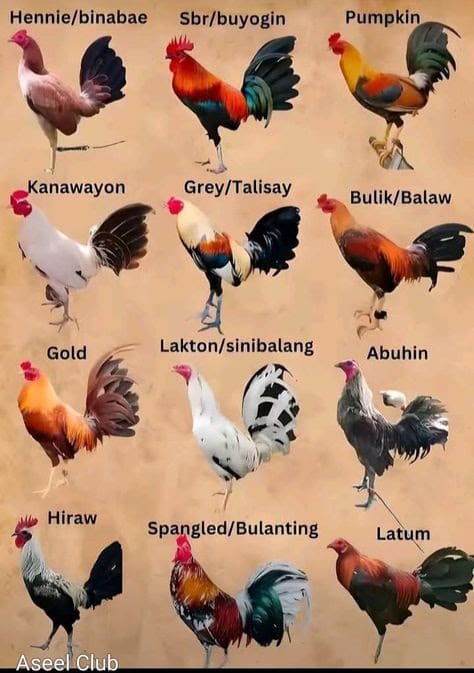
Choose breeds that match your goal. Dual-purpose breeds give you both eggs and meat. Hardy local or indigenous-type birds often handle heat, variable feed quality, and free-ranging better than high-strain commercial hybrids — something worth considering if you can't supervise them all day.
2. Build a Chicken Tractor Instead of a Static Run
If you're short on time and space, a mobile chicken tractor — a bottomless, movable pen — solves several problems at once. The birds mow and fertilize your grass, eat insects and weed seeds, and spread their own manure as you shift the pen each day or two.
Many homesteaders follow the Suscovich-style chicken tractor design, originally developed for pasture-raised broilers. It's a simple rectangular frame you can build in a weekend, and some builders swap the fabric roof for metal sheeting so it holds up for years. One design, endless uses: raise broilers in it during one season, then use it to prepare garden beds the next.
The busy-owner benefit is huge: no run to muck out, no bare dirt patch, and no separate lawn fertilizer bill.
3. Close the Loop With Compost
Here's the part most people underestimate. Chicken manure, once composted, becomes one of the best soil amendments you can get — and homesteaders who do this consistently point out that homemade compost beats anything you'd buy in a bag.
The system is simple:
- Use a deep litter of wood shavings or dry grass in the coop.
- Every few weeks, rake it out into a compost pile mixed with garden waste and kitchen scraps.
- Let it break down fully before applying it to beds — fresh poultry manure is too "hot" and can burn plants.
That compost then grows the vegetables that feed your household, and the trimmings go back to the chickens. That's a closed loop: the birds feed the soil, the soil feeds you, and the scraps feed the birds. Have you ever calculated what you spend each year on fertilizer and soil amendments? This is where that money goes back into your pocket.
4. Grow Feed Crops to Cut Your Feed Bill
Feed is usually the single biggest cost in keeping poultry — often the majority of total production expense. You can't eliminate it, but you can shrink it.
Dedicate a strip of your backyard to feed crops: maize, amaranth, comfrey, sweet potato vines, sunflowers, or pumpkin. Even a small plot makes a dent. Suppose your ten hens eat roughly 120 grams each per day — that's about 36 kg of feed a month. If homegrown greens and grains replace even 15–20% of that, the savings compound every single month, and your birds get a more varied diet.
A caution: scraps and garden produce are supplements, not complete rations. Layers still need balanced protein and calcium to keep producing. Treat homegrown feed as a cost reducer, not a full replacement.
5. Add a Second, Low-Maintenance Enterprise
Once your chicken system runs smoothly, stack one more enterprise that fits the same time budget. Good candidates for busy owners:
- Rabbits — quiet, fast-growing, excellent manure for the garden, minimal space.
- Ducks — slug control champions, hardy, and their eggs command a premium in some markets.
- Fruit trees with poultry underneath — the birds fertilize the trees and clean up fallen fruit that would otherwise breed pests.
The key principle from commercial poultry planning applies here too: think about distances, movement, and biosecurity between species. Keep new animals quarantined before mixing them, and don't let enterprises compete for the same hours of your day.
6. Treat It Like a Business — Even a Small One
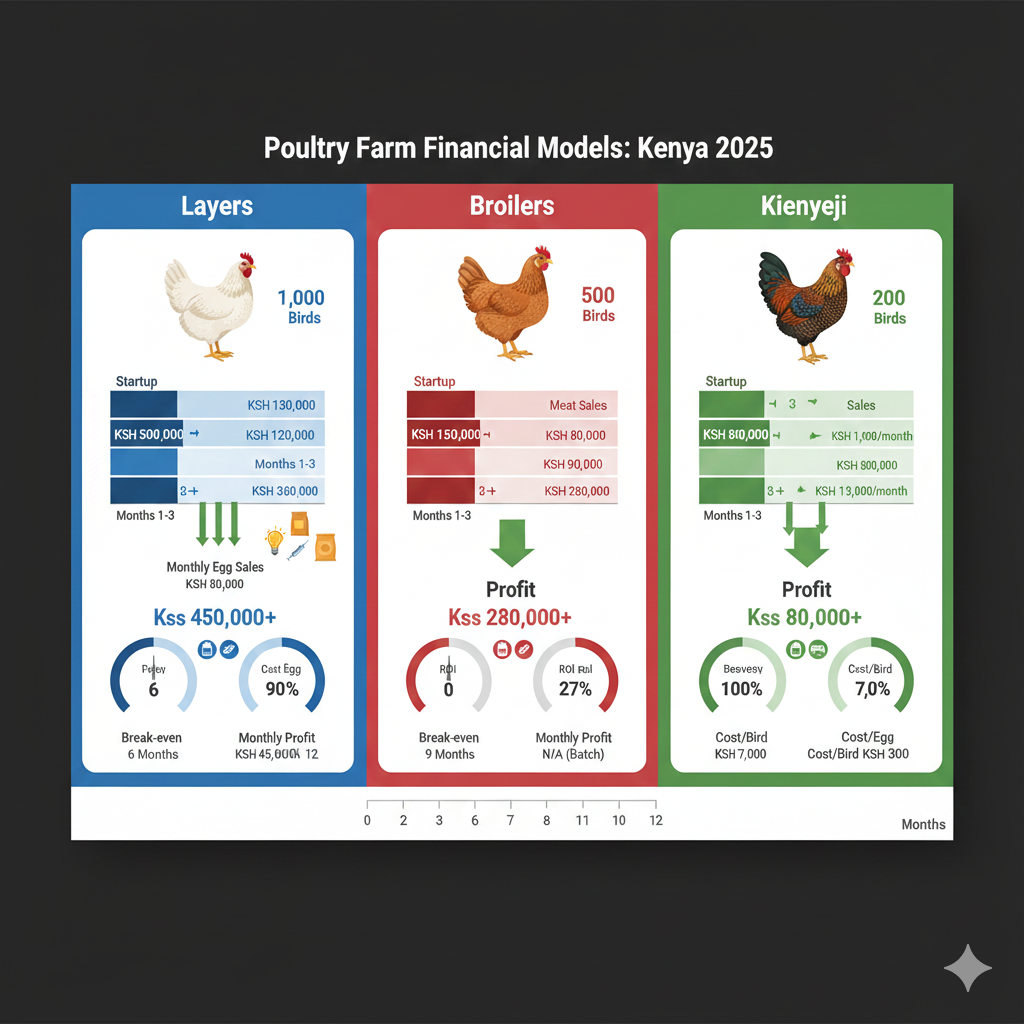
This is the idea that separates a hobby that drains money from a homestead that pays for itself. Training manuals for poultry extension workers put it bluntly: profits equal revenue minus expenditure, so lowering costs and tracking everything matters at every scale.
Do the basics:
- Record feed purchases, egg output, and any sales in a notebook or spreadsheet.
- Know your cost per egg. If a tray of eggs costs you more to produce than it sells for, something in the system needs fixing.
- Sell the surplus. Even a few extra trays a week to neighbors can cover the entire feed bill.
And don't skip biosecurity just because you're small. Simple habits — a footbath or dedicated boots at the coop entrance, clean equipment before a new batch of chicks arrives, and limiting who handles your birds — prevent the disease outbreaks that wipe out small flocks in days. For anything health-related beyond basics, consult a qualified veterinarian rather than guessing.
Putting It All Together
You don't need to launch all six ideas at once. A realistic path for a busy owner looks like this: start with a small flock in a chicken tractor this season, add the compost system next, then layer in feed crops and a second enterprise once the routine feels automatic. Within a year or two, your backyard stops being a chore and starts being a system that produces eggs, meat, vegetables, and compost while you're at work.
Self-sufficiency isn't about doing everything — it's about designing things so they mostly do themselves.
What does your backyard setup look like right now — and which of these six would you start with? Drop your experience or question in the comments; other homesteaders here learn as much from your real results as from any article. If this gave you a useful starting point, share it with a friend who's been talking about keeping chickens "someday," and follow Poultry Market for more practical, no-fluff poultry and homesteading guides.
References
- How We Became 80% Food Self-Sufficient on 1/2 Acre
- Beginners Guide to Self Sufficient Homesteading - From Scratch Farmstead